This article delves into corrosion inhibitive sealants, highlighting their critical role in industrial protection by providing a protective barrier against corrosion. These sealants are essential in a variety of industries, where they prevent metals from deteriorating due to environmental factors, thus extending equipment lifespan and ensuring safety and efficacy. Explore the types, applications, and benefits of using these specialized sealants in diverse industries.
Corrosion inhibitive sealants serve as a defensive barrier between metals and corrosive elements in the environment. Widely used in various industries including automotive, aerospace, and construction, these sealants ensure the longevity and safety of metal structures and components. By preventing oxidation and decay, they help to maintain the structural integrity and performance of materials over time. This protection is not merely a suggestion but a necessity in many sectors, as even minor corrosion can lead to significant failures and safety hazards.
Corrosion is a natural process, but with the right barriers in place, we can effectively mitigate its progression. The importance of prevention is underlined by the staggering statistics in industries where corrosion damage can lead to damage worth billions of dollars, along with the potential loss of human life. The use of corrosion inhibitive sealants has become a best practice in the engineering and maintenance of industrial equipment, buildings, vehicles, and other metallic structures.
These sealants operate by forming a protective film on the surface of metals. This film stops corrosive agents such as moisture, salt, or chemicals from contacting the metal surface, thereby hindering the corrosion process. The formulation of the sealant typically includes inhibitors that actively neutralize corrosive substances and retard the spread of rust and oxidation. The types of inhibitors used can vary widely, from passive layer-forming substances to active chemistry that reacts with corrosive agents, demonstrating versatility in handling different types of corrosion threats.
To give a more technical perspective, when applied, the sealant undergoes a curing process where the solvents evaporate or material hardens, creating that robust layer. Depending on the specific formulation and its purpose, this film can vary in thickness, resistance to wear, and overall capacity to prevent corrosion. Some sealants even incorporate nanoparticles that enhance their protective capabilities, allowing for innovations that are only beginning to be explored in modern material science.
There are several types of corrosion inhibitive sealants designed to meet diverse industrial requirements. The characteristics of each type cater to particular environments or applications, making it essential to select the appropriate sealant for desired performance outcomes:
Integrating corrosion inhibitive sealants into maintenance protocols provides several advantages that can resonate through an organization’s entire operations:
Proper application of corrosion inhibitive sealants is crucial for optimum performance. Here’s a standard procedure followed across various industries:
| Type of Sealant | Top Used In | Strengths | Limitations |
|---|---|---|---|
| Epoxy-based | Aerospace and Marine | Excellent adhesion and durability | Requires precise mixing and application; can be rigid |
| Silicone | Automotive | Temperature resistance, flexibility | Might not adhere well to all materials; limited structural load capacity |
| Urethane | Construction and Industrial Machinery | Resists abrasion and chemicals; great flexibility | Long curing times; can be more expensive |
Industries around the world rely extensively on corrosion inhibitive sealants. In the aerospace sector, they are pivotal in protecting aircraft structures from the relentless effects of moisture and weather variations at high altitudes. For example, aluminum structures in aircraft, when not treated correctly, can succumb to pitting and stress corrosion cracking that significantly shorten their operational lifespan. The use of specialized epoxy and urethane sealants helps mitigate these risks significantly.
The automotive industry uses these sealants to guard vehicle components, particularly those exposed to road salts and pollutants, ensuring the longevity of critical systems such as brake lines and fuel tanks, where metal integrity is paramount. Sealants are often applied during manufacturing and assembly phases, ensuring a robust defense throughout the vehicle's lifetime.
In construction, they play a vital role in maintaining the durability of metal frames, pillars, and facades subject to environmental stressors. Buildings often endure exposure to harsh elements such as rain, snow, and industrial pollution. Using corrosion inhibitive sealants not only prolongs the life of materials like steel and iron within buildings but also enhances the aesthetic qualities, preserving their appearance for years. Examples include the applications on steel girders, metal roofing, and structural components in bridges.
As technology and material sciences advance, so too does the development of corrosion inhibitive sealants. Emerging trends include:
Corrosion inhibitive sealants are indispensable tools in safeguarding metal components across industries. By understanding their types, applications, and benefits, industry professionals can make informed decisions to optimize maintenance practices and ensure long-lasting protection against the pervasive challenge of corrosion. Furthermore, keeping abreast with emerging trends will allow industries to adopt more effective strategies for protecting infrastructure and equipment, thus enhancing operational reliability and safety.
As the market continues to evolve, the importance of selecting the right sealant cannot be overstated, given that it directly impacts the efficacy of corrosion protection efforts. By investing in quality corrosion inhibitive sealants and adhering to rigorous application and maintenance standards, organizations can significantly reduce the risks associated with corrosion, ensuring a safer and more efficient operational environment.
Striking the Perfect Balance: Navigating Premiums and Out-of-Pocket Expenses in Senior Insurance Plans

Explore the Tranquil Bliss of Idyllic Rural Retreats

How to Make Lasting Memories at Disneyland Attractions

Affordable Full Mouth Dental Implants Near You

Unlock the Top Kept Secrets to Finding Your Ideal Dentist for Flawless Dental Implant Results!

Discovering Springdale Estates

The Guide to Car Trading

Unlock the Full Potential of Your RAM 1500: Master the Art of Efficient Towing!

Understanding Royal Canin Maxi Adult

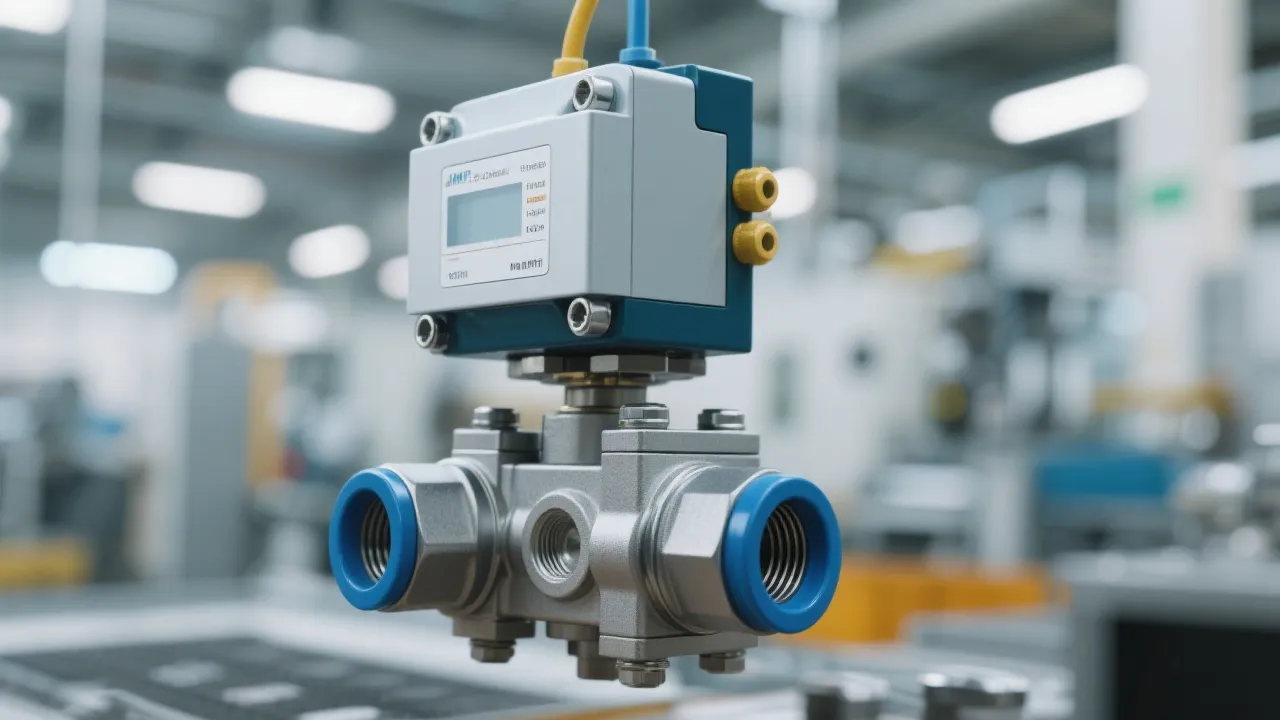
Understanding Proportional Valves
Proportional valves are hydraulic components vital for controlling fluid flow and pressure with high precision in various industrial applications. Their importance in automation and manufacturing settings stems from their ability to offer variable output in response to input signals, greatly enhancing system efficiency and performance.
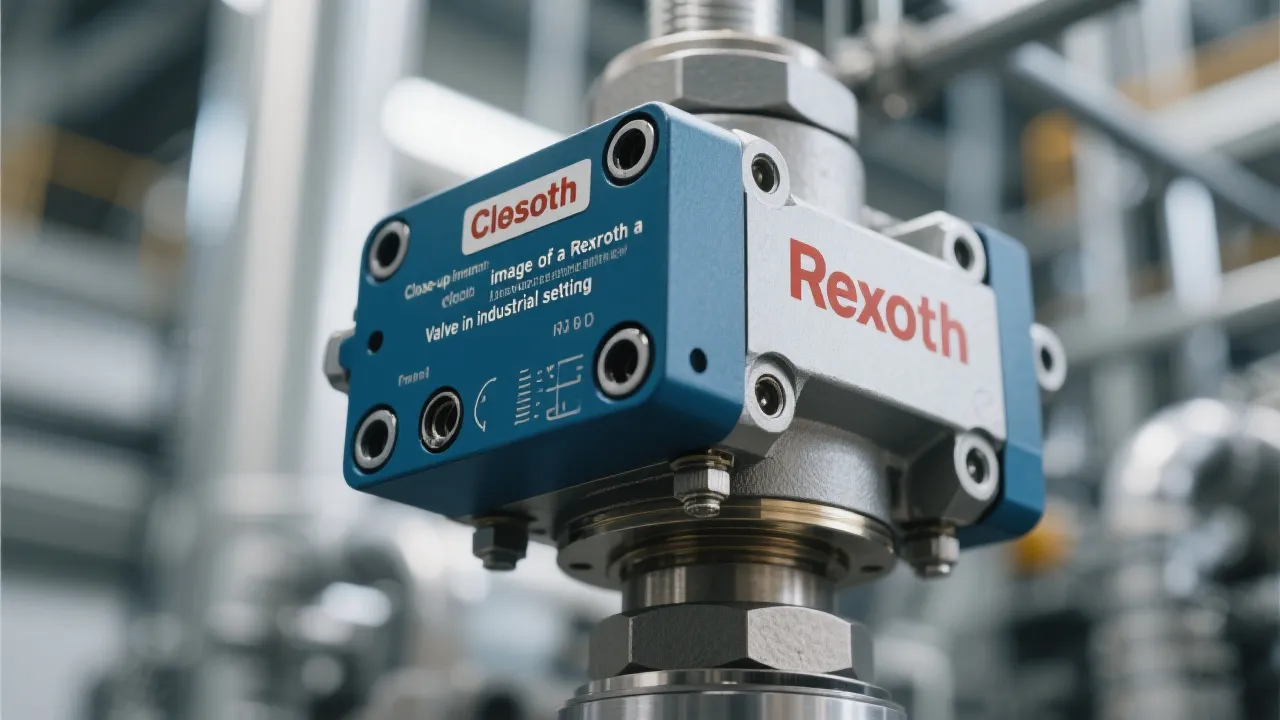
Understanding Rexroth Valve Systems
Rexroth Valves are quintessential components in various industrial applications, known for their precision and reliability. These hydraulic, pneumatic, and electrohydraulic valves regulate fluid flow in machinery, ensuring optimal performance and safety. Understanding their functionality and benefits is crucial for industries seeking efficiency and sustainability in their operations.

Unveiling Thermo Fisher Chromatography
This article explores the pivotal role of Thermo Fisher Chromatography in modern analytical science. Chromatography is crucial for separating compounds within mixtures, making it indispensable in industries such as pharmaceuticals and environmental testing. Thermo Fisher Scientific stands out in this field for its innovative solutions, leading to improved accuracy and efficiency in research and development.

Understanding Corrosion Inhibitor Manufacturers
In today's industrial landscape, corrosion inhibitor manufacturers play a crucial role in safeguarding equipment and infrastructure against corrosive damage. These manufacturers provide specialized chemicals that prevent corrosion in various environments, including industries such as oil and gas, marine, and construction. Understanding their operations and offerings is essential for selecting the right supplier and maintaining asset longevity.

Analyzing Lm66100 Digikey Components
This article offers an in-depth analysis of the Lm66100 component available through Digikey, a renowned distributor of electronic components. The Lm66100, a load switch, is integral in industry applications, providing efficient power management. This piece explores its features, applications, and availability through Digikey, while offering a comprehensive guide for industry professionals seeking to optimize their electronic designs.

Leading Corrosion Inhibitor Suppliers
Corrosion inhibitor manufacturers play a crucial role in protecting materials from degradation. These companies specialize in creating chemical compounds that slow down or prevent the corrosive effects on various surfaces, especially metals. Understanding their production processes and solutions offered is vital for industries reliant on metal infrastructure.
