A corrosion inhibitive sealant is a specialized material applied to surfaces to prevent corrosion and prolong the lifespan of various structures, from airplanes to pipelines. This comprehensive guide explores its importance, application methods, and technological advancements fueling its evolution in industrial applications.
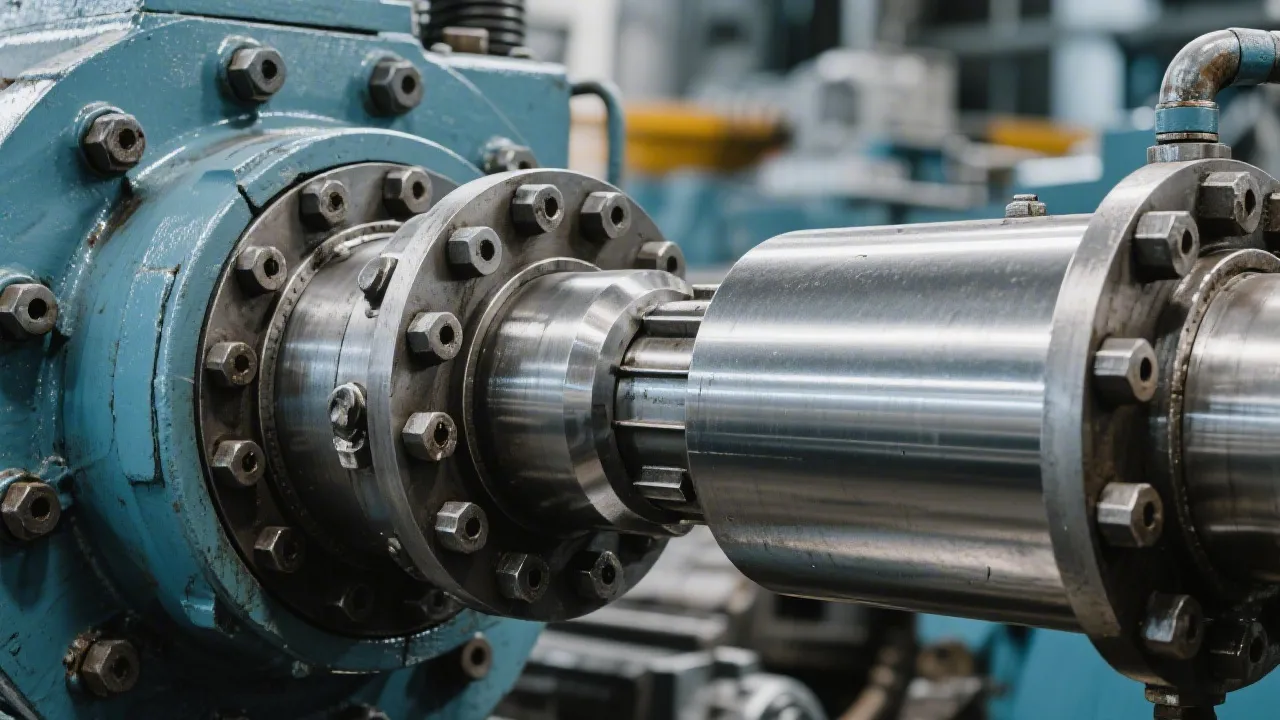
A corrosion inhibitive sealant serves as a protective barrier, designed to prevent the oxidation and subsequent degradation of metallic surfaces. These sealants are particularly useful in environments where metals are exposed to corrosive elements such as water, salt, or industrial chemicals. In its role as a guardian against corrosion, the sealant creates an essential layer that helps to mitigate the various forms of corrosion, including galvanic corrosion, pitting corrosion, and uniform corrosion, which can significantly impact the longevity and performance of metal structures.
The primary role of these sealants is to enhance the durability and stability of structures, ensuring they remain functional over an extended period. Corrosion can happen at varying rates depending on environmental conditions, and sealants aim to provide a barrier that can slow down this process. Utilizing a corrosion inhibitive sealant means that one can not only prolong the life of metal surfaces but also reduce the maintenance costs associated with corrosion-related damage. As a result, these sealants become invaluable for applications where reliability and safety are critical, as they contribute to an overall reduction in material wear and tear.
Corrosion is a destructive and costly challenge in industries ranging from aviation to petrochemicals. It compromises structural integrity and safety, requiring expensive repairs or replacements. The economic impact of corrosion is staggering; studies have shown that corrosion can account for up to 3% of a country’s GDP, with billions spent each year on repairs and preventative measures. By effectively blocking contact between corrosive substances and metal surfaces, corrosion inhibitive sealants offer an economical solution to maintain and protect valuable infrastructure. This is not only a financial advantage but also a significant safety measure, as structural failures can lead to dangerous situations that affect both human life and environmental safety.
Moreover, the importance of using corrosion inhibitive sealants goes beyond just immediate cost savings. These sealants contribute to sustainable practices by ensuring that resources are not prematurely degraded and have to be replaced. This aligns with global efforts towards more sustainable industrial processes and waste reduction. By extending the lifespan of structures and components, corrosion inhibitive sealants play a vital role in promoting responsible resource management.
Corrosion inhibitive sealants are used extensively in several key sectors:
Recent technological developments have revolutionized the effectiveness and application methods of corrosion inhibitive sealants. Innovations such as nanotechnology enable the production of sealants that offer enhanced protective qualities without adding weight or altering the properties of the substrate material. For instance, nano-coatings provide a significantly thinner protective layer while maintaining superior performance and adhesion properties, leading to increased efficiency and reduced application costs. These advancements allow for greater flexibility in design and material selection, enabling manufacturers to produce lighter and more economical products.
Furthermore, new formulations of corrosion inhibitive sealants are being developed to enhance their environmental resistance and reduce VOC (volatile organic compound) emissions. As industries push towards more sustainable practices, sealant manufacturers are increasingly focusing on creating eco-friendly products that do not compromise on performance. Solvent-free and water-based sealants are gaining popularity, as they provide effective corrosion protection while being less harmful to the environment.
In combination with predictive maintenance practices, the effectiveness of corrosion inhibitive sealants can be significantly enhanced. The integration of IoT (Internet of Things) technology allows for real-time monitoring of structural integrity, where data on corrosion rates and environmental conditions can be analyzed. This technology not only aids in the timely application of sealants but can also indicate when maintenance is necessary, aligning perfectly with modern maintenance strategies that seek to reduce downtime and improve operational efficiency.
The effectiveness of a corrosion inhibitive sealant greatly depends on its application techniques. Optimal performance is achieved through meticulously cleaning metal surfaces to remove impurities before sealant application. Techniques like brush, spray, or dip-coating are chosen based on the specific requirements of the project and the scale of the surface area. Brush application may be suitable for small areas or intricate designs where precision is needed, while spray application can cover large surfaces quickly and evenly, making it the preferred method in industrial applications.
To ensure maximum adhesion and effectiveness, pretreatment of surfaces is often necessary. This might involve processes like sandblasting or using chemical cleaners to remove oxides, contaminants, and existing finishes that could interfere with the sealant's performance. Once the surface is adequately prepared, applying the sealant in recommended layers is crucial to achieving the desired protective barrier. Each layer must be allowed to cure appropriately before the next is applied, ensuring that the sealant forms a cohesive and durable layer of protection.
Specialized equipment, such as airless sprayers, can enhance the application process, allowing for even distribution and optimal thickness across surfaces. Adapting the application method according to the environment is essential. For example, in humid or cold conditions, it may be necessary to adjust the curing process or use heat lamps to accelerate drying times. Understanding the environmental constraints ensures that the sealant performs at its highest potential and delivers long-lasting protection.
Stringent industry standards ensure that corrosion inhibitive sealants meet performance expectations. Organizations such as ASTM (American Society for Testing and Materials) and ISO (International Organization for Standardization) provide guidelines that define the criteria for evaluating sealant performance. Testing for adhesion, flexibility, and environmental resistance are crucial in ascertaining a sealant's suitability. Compliance with these standards assures users that the products are reliable and effective in real-world applications.
It is vital to adhere to manufacturer guidelines, including preparation and curing times, to maximize the protective benefits. Each sealant may have specific application instructions that need to be followed closely to avoid issues such as improper bonding, excessive curing times, or compromised protective qualities. Regular training for applicators can enhance the effectiveness of the application process, ensuring that best practices are employed consistently.
Monitoring and inspecting applications regularly can further improve long-term performance. Identifying early signs of wear or failure allows for timely repairs or reapplication of sealants before significant corrosion occurs. In many industries, a proactive approach to corrosion management is adopted, combining the application of corrosion inhibitive sealants with ongoing inspection and maintenance programs. This strategy not only optimizes performance but enhances the lifespan of critical infrastructure.
In a world where infrastructure resilience is paramount, corrosion inhibitive sealants play a critical role in safeguarding metal structures from the pervasive threat of corrosion. They are an essential part of corrosion management strategies across numerous industries, helping to secure assets, minimize downtime, and ultimately save costs. As technologies advance, so does the efficacy of these sealants, offering industries robust solutions to protect their investments and enhance operational safety.
The future of corrosion management will likely see further innovations in sealant technology, with a focus on improving performance, reducing environmental impact, and integrating smarter monitoring solutions. As more industries adopt these advancements, corrosion inhibitive sealants will continue to evolve, proving indispensable in the ongoing fight against corrosion. Investing in the right corrosion inhibitive sealant is not merely a protective measure; it is a proactive approach to ensuring the durability and reliability of structures that support modern society.
With the continuous development of materials and application techniques, the effective use of corrosion inhibitive sealants will further solidify their importance within infrastructure maintenance and industrial applications. Embracing these technologies not only enhances operational performance but also aligns with global sustainable practices, ensuring that industries remain committed to protecting both assets and the environment.
Striking the Perfect Balance: Navigating Premiums and Out-of-Pocket Expenses in Senior Insurance Plans

Explore the Tranquil Bliss of Idyllic Rural Retreats

How to Make Lasting Memories at Disneyland Attractions

Affordable Full Mouth Dental Implants Near You

Unlock the Top Kept Secrets to Finding Your Ideal Dentist for Flawless Dental Implant Results!

Discovering Springdale Estates

The Guide to Car Trading

Unlock the Full Potential of Your RAM 1500: Master the Art of Efficient Towing!

Understanding Royal Canin Maxi Adult

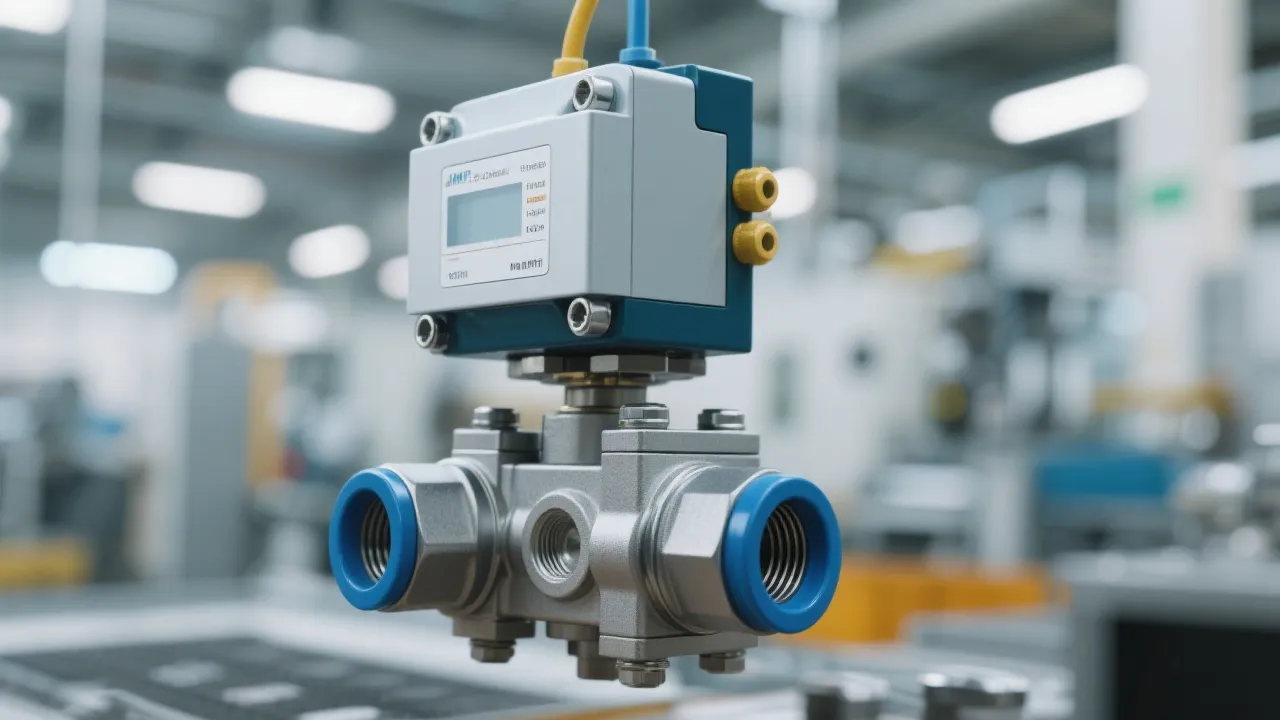
Understanding Proportional Valves
Proportional valves are hydraulic components vital for controlling fluid flow and pressure with high precision in various industrial applications. Their importance in automation and manufacturing settings stems from their ability to offer variable output in response to input signals, greatly enhancing system efficiency and performance.
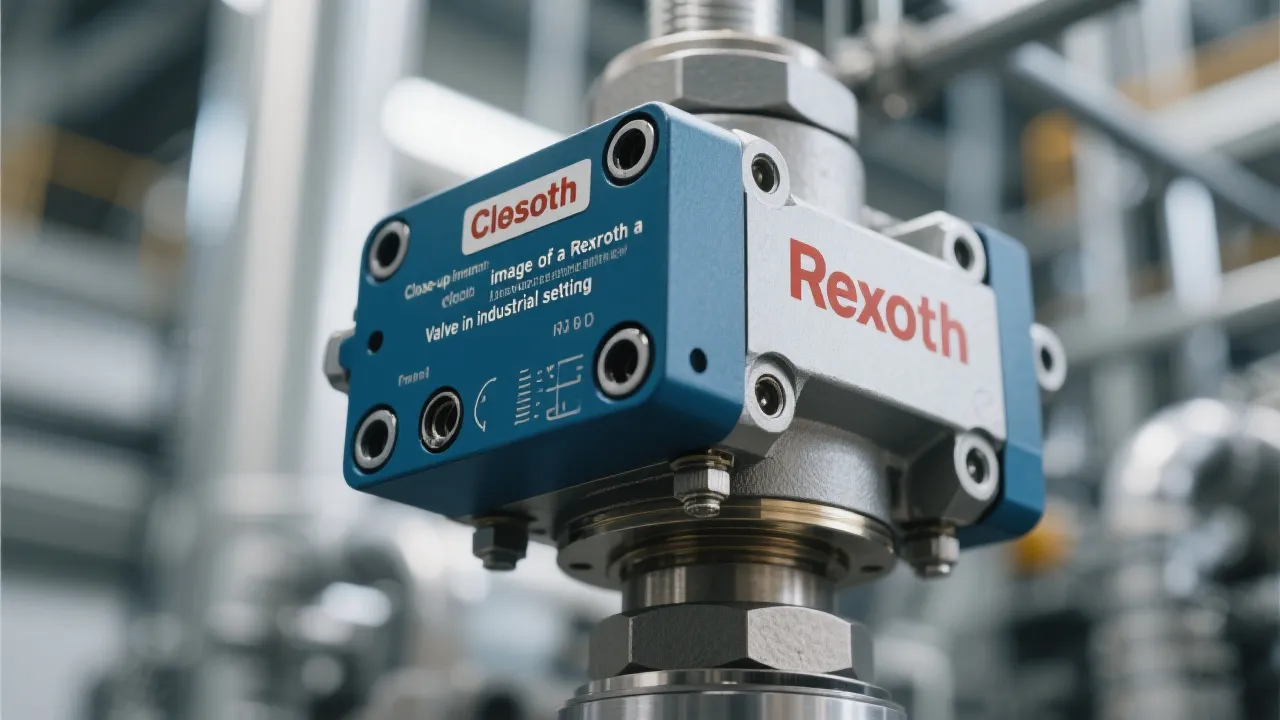
Understanding Rexroth Valve Systems
Rexroth Valves are quintessential components in various industrial applications, known for their precision and reliability. These hydraulic, pneumatic, and electrohydraulic valves regulate fluid flow in machinery, ensuring optimal performance and safety. Understanding their functionality and benefits is crucial for industries seeking efficiency and sustainability in their operations.

Unveiling Thermo Fisher Chromatography
This article explores the pivotal role of Thermo Fisher Chromatography in modern analytical science. Chromatography is crucial for separating compounds within mixtures, making it indispensable in industries such as pharmaceuticals and environmental testing. Thermo Fisher Scientific stands out in this field for its innovative solutions, leading to improved accuracy and efficiency in research and development.

Understanding Corrosion Inhibitor Manufacturers
In today's industrial landscape, corrosion inhibitor manufacturers play a crucial role in safeguarding equipment and infrastructure against corrosive damage. These manufacturers provide specialized chemicals that prevent corrosion in various environments, including industries such as oil and gas, marine, and construction. Understanding their operations and offerings is essential for selecting the right supplier and maintaining asset longevity.

Analyzing Lm66100 Digikey Components
This article offers an in-depth analysis of the Lm66100 component available through Digikey, a renowned distributor of electronic components. The Lm66100, a load switch, is integral in industry applications, providing efficient power management. This piece explores its features, applications, and availability through Digikey, while offering a comprehensive guide for industry professionals seeking to optimize their electronic designs.

Leading Corrosion Inhibitor Suppliers
Corrosion inhibitor manufacturers play a crucial role in protecting materials from degradation. These companies specialize in creating chemical compounds that slow down or prevent the corrosive effects on various surfaces, especially metals. Understanding their production processes and solutions offered is vital for industries reliant on metal infrastructure.
