This comprehensive guide explores corrosion inhibitive sealants, crucial for protecting metal surfaces from degradation. Corrosion is a major issue in various industries, leading to significant maintenance costs. Sealants play a vital role in preserving metal integrity by acting as a barrier against environmental factors. Understanding their composition, applications, and benefits is essential for effective asset management.
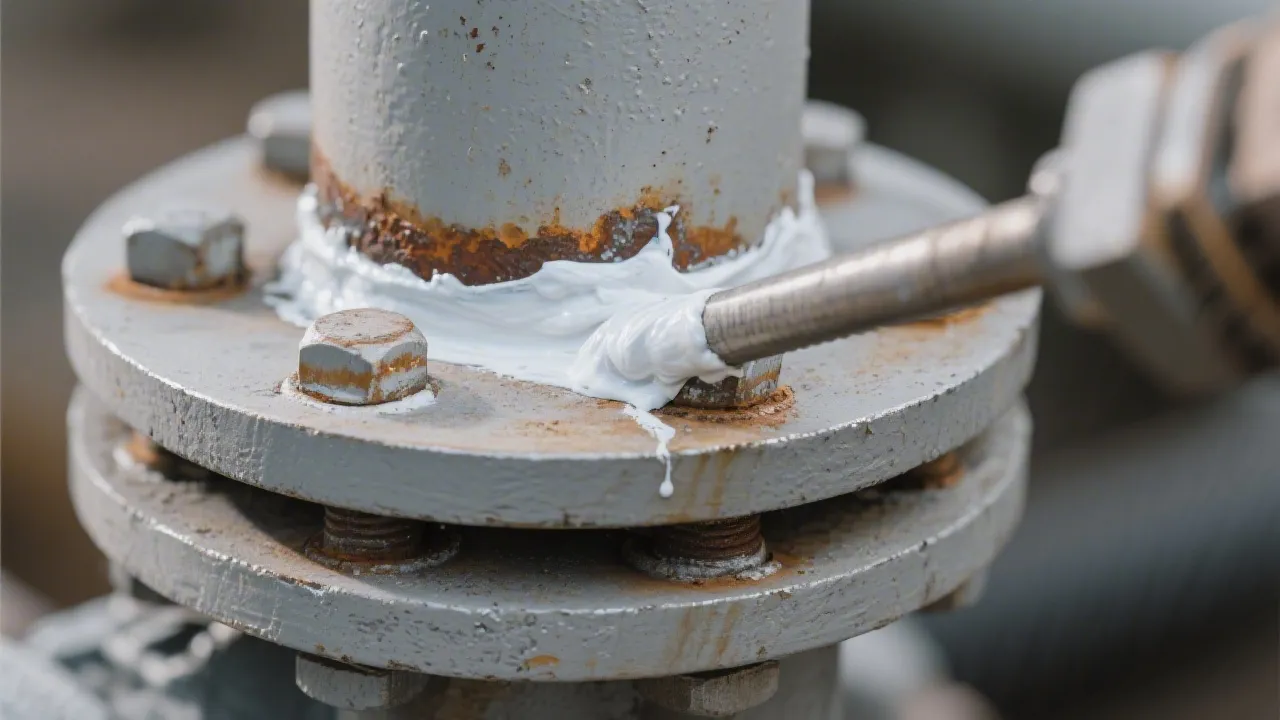
The persistent issue of corrosion significantly impacts industries ranging from automotive to aerospace. At its core, corrosion is the gradual deterioration of materials—predominantly metals—caused by chemical reactions with their environment. This process can lead to costly repairs, part replacements, and even catastrophic structural failures. To combat this, corrosion inhibitive sealants serve as a key preventive measure. They form a protective barrier on metal surfaces, which helps in mitigating the electrochemical reactions that cause corrosion. Understanding the essential characteristics and benefits of these sealants is crucial for stakeholders looking to safeguard their products and structures.
Corrosion inhibitive sealants function by obstructing the access of moisture, oxygen, and other corrosive substances to metal surfaces. These sealants are composed of a blend of polymers, fillers, and corrosion inhibitors. The combination acts synergistically to not only fill gaps and seams but also provide an enduring shield against environmental aggressors.
The active ingredients in these sealants often include various organic and inorganic compounds that inhibit corrosion through several mechanisms. For example, some sealants utilize anodic inhibitors that prevent the anodic reaction in the corrosion process, thus reducing overall corrosion rates. Others may employ cathodic inhibitors that protect the metal by altering the electrochemical processes occurring on its surface.
Moreover, the choice of polymer matrix can influence the sealant’s performance characteristics. For instance, epoxy-based sealants are known for their strong adhesion and excellent chemical resistance, while polyurethane sealants offer flexibility and UV resistance. The incorporation of fillers can enhance the mechanical properties of the sealant and improve its ability to withstand physical stress and environmental degradation.
These sealants are widely used across several sectors, each with distinct requirements and challenges:
According to industry specialists, the selection of a suitable corrosion inhibitive sealant is determined by factors such as the specific application, environmental conditions, and the types of metals involved. Experts emphasize considering the longevity and compatibility of the sealant with different substrates to ensure maximum effectiveness. The correct formulation must align with the unique challenges posed by the environment—such as temperature fluctuations, humidity levels, and exposure to corrosive chemicals.
Additionally, continual advancements in sealant technology are enabling manufacturers to create more versatile and effective products. The synergistic effect of combining multiple corrosion inhibitors can result in sealants that outperform traditional options. This allows for greater flexibility in selecting a sealant that meets the specific needs of a project, thereby enhancing overall protection.
Experts also encourage end-users to remain vigilant in their maintenance practices. Corrosion inhibitive sealants are not a one-time solution; they require appropriate application and periodic inspections to ensure ongoing efficacy.
| Technique | Explanation |
|---|---|
| Galvanization | Coating metals with a layer of zinc to prevent rust. This technique protects the underlying metal through cathodic protection, as zinc corrodes preferentially to iron. |
| Painting | Using paint to create a moisture barrier, although less durable compared to sealants. Paints can chip and peel, leaving the substrate exposed to corrosion. |
| Corrosion Inhibitive Sealants | Provides robust and flexible protection against corrosive elements, with the ability to conform to complex geometries and maintain adherence under varied conditions. |
| Cathodic Protection | A method that uses electrochemical processes to protect metal surfaces by converting them into the cathode of an electrochemical cell. |
| Passivation | The process of making a material less reactive by removing free electrons or by forming a protective oxide layer on the metal surface. |
Recent advancements in sealant technology focus on enhancing environmental sustainability, offering more ecologically-friendly formulations. Innovations continue toward achieving longer durability, thereby reducing maintenance cycles and minimizing the overall environmental footprint of industries.
For instance, bio-based sealants composed of renewable resources are being developed to replace traditional petroleum-based materials. These bio-based options generally have lower volatile organic compounds (VOCs), which is beneficial for air quality and reduces the harmful impact on the environment during application.
Additionally, nanotechnology represents a promising frontier in the development of corrosion inhibitive sealants. Researchers are exploring the incorporation of nanoparticles that provide enhanced protective qualities to sealants, including improved barrier properties and increased longevity. Such advancements are setting new benchmarks for performance in harsh environments.
The use of multifunctional sealants is also gaining traction; these products not only inhibit corrosion but may also provide additional features such as thermal insulation, sound dampening, or fire resistance. This trend reflects a broader move towards integrated solutions within construction and manufacturing sectors.
To illustrate the effectiveness of corrosion inhibitive sealants in real-world environments, several case studies highlight their successful implementation across various industries.
Aerospace Application: A major aircraft manufacturer integrated corrosion inhibitive sealants into their assembly process to protect fuselage seams and wing structures. The application of these sealants helped extend maintenance intervals, reducing costs associated with inspections and repairs.
Marine Application: A leading offshore oil platform operator adopted corrosion inhibitive sealants for maintaining structural integrity in their submerged pipelines. The sealants provided long-lasting protection against a highly corrosive environment, resulting in a significant decrease in corrosion-related downtime and associated costs.
Automotive Application: An automotive company shifted to using advanced corrosion inhibitive sealants in their vehicle assembly lines, which improved resistance to road salt and moisture. This transition led to higher vehicle longevity and reduced warranty claims related to corrosion failures.
In conclusion, corrosion inhibitive sealants offer vital solutions for enhancing the durability and reliability of metal components across various industries. By understanding their applications, composition, and benefits, stakeholders can make informed decisions to protect their assets effectively. With ongoing innovations and a deeper appreciation of their importance, corrosion inhibitive sealants stand at the forefront of materials science, ensuring that our infrastructural investments withstand the test of time and environmental challenges.
The future of corrosion inhibitive sealants looks promising as research and development efforts continue to evolve. Future formulations may incorporate smart technology that monitors corrosion activity in real-time, alerting maintenance teams to potential failures before they occur. This proactive approach could revolutionize asset management by significantly reducing downtime and unexpected repair costs.
Furthermore, as industries continue to prioritize sustainability, the development of biodegradable and eco-friendly sealants will likely be a significant trend. Regulations aimed at reducing environmental impact will drive innovation, prompting manufacturers to create safer alternatives that do not compromise performance.
In addition, global supply chain dynamics will play a crucial role in shaping the future of sealant materials and components. The need for locally sourced materials may prompt research into alternative substrates to reduce dependency on traditional supply chains. This shift can lead to new materials that meet both performance and environmental standards.
Ultimately, corrosion inhibitive sealants are essential tools in the fight against corrosion, playing a critical role in protecting valuable metal assets across multiple industries. As technology advances, so too will the capabilities and applications of these products. Stakeholders who remain informed about the latest developments will be better positioned to leverage the full potential of corrosion inhibitive sealants, ultimately achieving enhanced durability, reduced maintenance costs, and prolonged operational lifespan for their metal components.
Striking the Perfect Balance: Navigating Premiums and Out-of-Pocket Expenses in Senior Insurance Plans

Explore the Tranquil Bliss of Idyllic Rural Retreats

How to Make Lasting Memories at Disneyland Attractions

Affordable Full Mouth Dental Implants Near You

Unlock the Top Kept Secrets to Finding Your Ideal Dentist for Flawless Dental Implant Results!

Discovering Springdale Estates

The Guide to Car Trading

Unlock the Full Potential of Your RAM 1500: Master the Art of Efficient Towing!

Understanding Royal Canin Maxi Adult

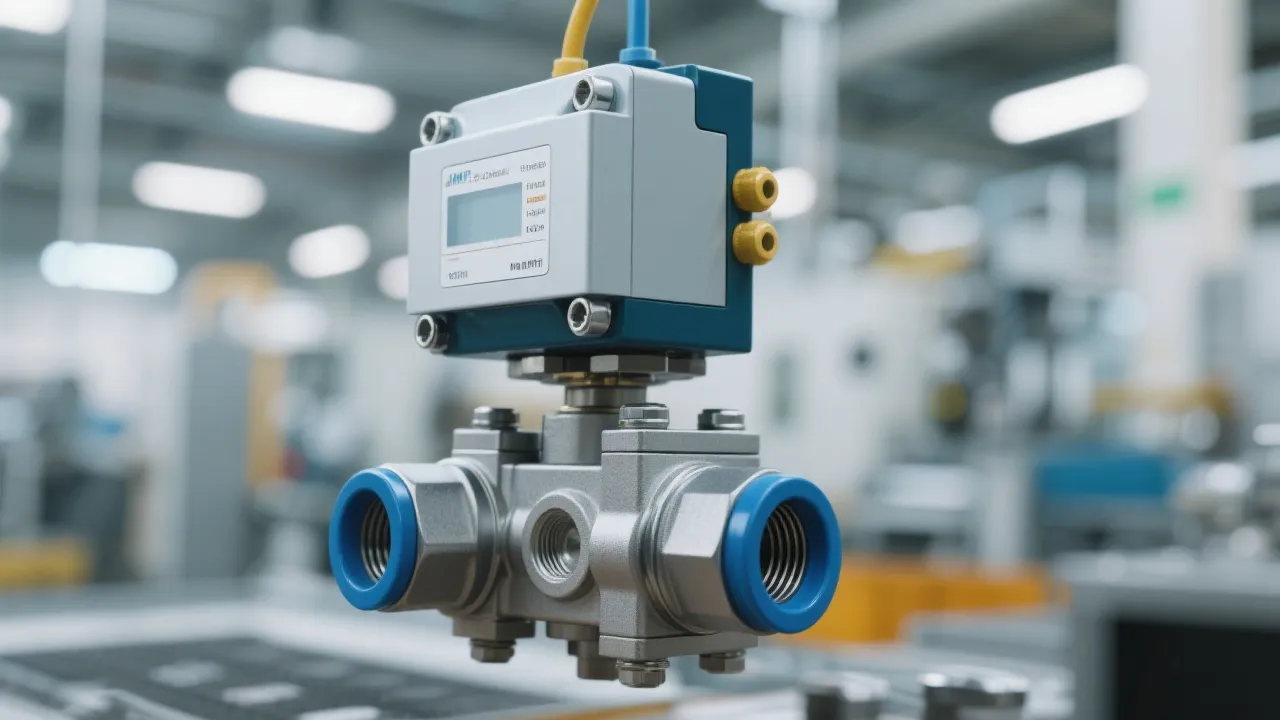
Understanding Proportional Valves
Proportional valves are hydraulic components vital for controlling fluid flow and pressure with high precision in various industrial applications. Their importance in automation and manufacturing settings stems from their ability to offer variable output in response to input signals, greatly enhancing system efficiency and performance.
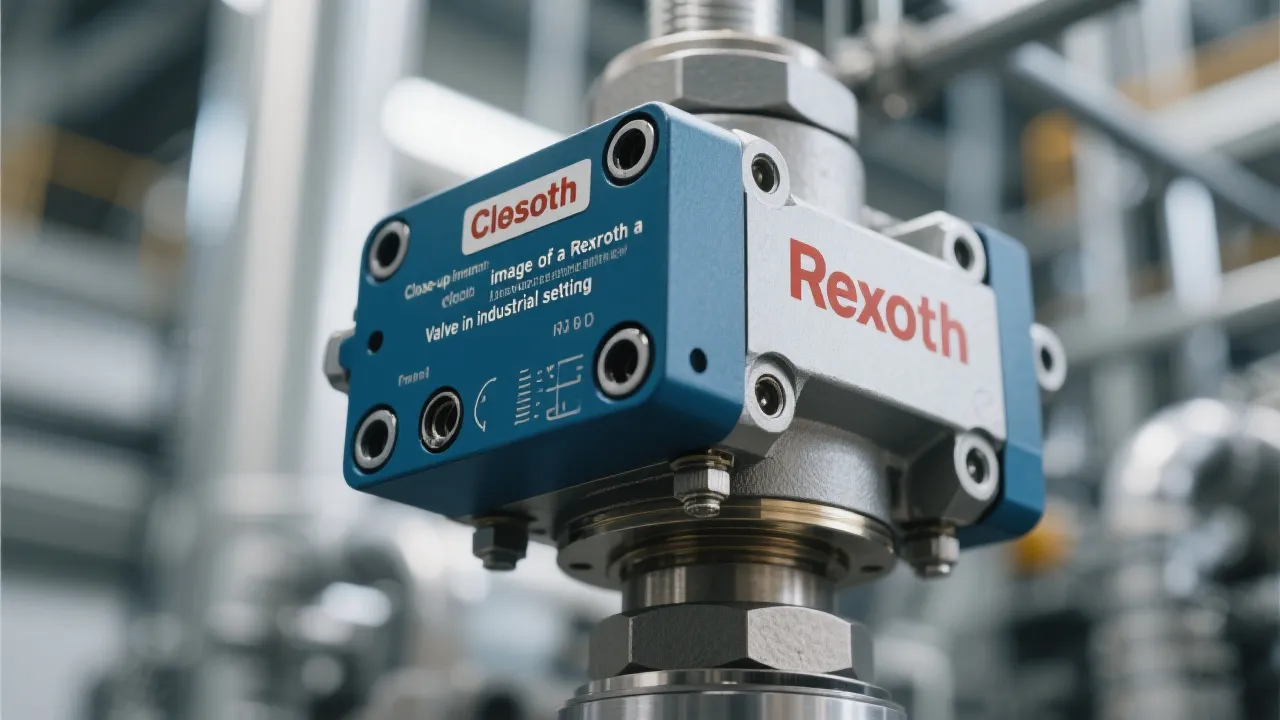
Understanding Rexroth Valve Systems
Rexroth Valves are quintessential components in various industrial applications, known for their precision and reliability. These hydraulic, pneumatic, and electrohydraulic valves regulate fluid flow in machinery, ensuring optimal performance and safety. Understanding their functionality and benefits is crucial for industries seeking efficiency and sustainability in their operations.

Unveiling Thermo Fisher Chromatography
This article explores the pivotal role of Thermo Fisher Chromatography in modern analytical science. Chromatography is crucial for separating compounds within mixtures, making it indispensable in industries such as pharmaceuticals and environmental testing. Thermo Fisher Scientific stands out in this field for its innovative solutions, leading to improved accuracy and efficiency in research and development.

Understanding Corrosion Inhibitor Manufacturers
In today's industrial landscape, corrosion inhibitor manufacturers play a crucial role in safeguarding equipment and infrastructure against corrosive damage. These manufacturers provide specialized chemicals that prevent corrosion in various environments, including industries such as oil and gas, marine, and construction. Understanding their operations and offerings is essential for selecting the right supplier and maintaining asset longevity.

Analyzing Lm66100 Digikey Components
This article offers an in-depth analysis of the Lm66100 component available through Digikey, a renowned distributor of electronic components. The Lm66100, a load switch, is integral in industry applications, providing efficient power management. This piece explores its features, applications, and availability through Digikey, while offering a comprehensive guide for industry professionals seeking to optimize their electronic designs.

Leading Corrosion Inhibitor Suppliers
Corrosion inhibitor manufacturers play a crucial role in protecting materials from degradation. These companies specialize in creating chemical compounds that slow down or prevent the corrosive effects on various surfaces, especially metals. Understanding their production processes and solutions offered is vital for industries reliant on metal infrastructure.
