This article serves as a detailed guide to corrosion inhibitive sealants, highlighting their vital role in protecting structures from environmental degradation. Corrosion inhibitive sealants are specialized compounds designed to mitigate the deteriorating effects of environmental factors on metals and other materials. They are crucial in various industries for preserving the integrity and longevity of equipment and structures.
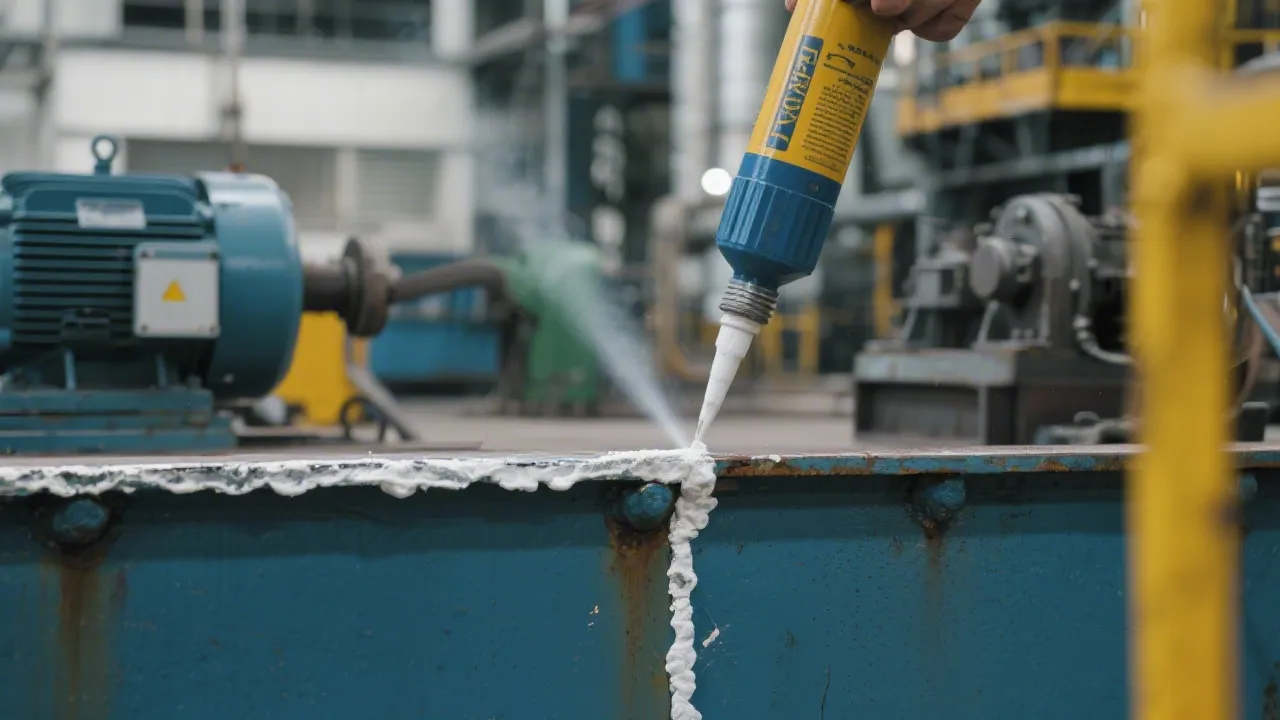
Corrosion inhibitive sealants are specialized formulations that are applied to surfaces to prevent or slow down the corrosion process. These sealants are particularly indispensable in sectors where metal equipment and infrastructure are exposed to harsh environmental conditions. By creating a barrier against moisture, oxygen, and other corrosive elements, these sealants help maintain the integrity of materials, thus prolonging their useful life. They utilize various physical and chemical properties to bond with surfaces, offering a potent defense against degradation caused by environmental factors.
Corrosion occurs when metals react with environmental elements, leading to a gradual degradation and deterioration of materials. This complex electrochemical process typically results in rust for ferrous metals and a corrosion layer for other metals, compromising their structural integrity. Corrosion inhibitive sealants work primarily by creating a physical barrier that limits exposure to corrosive agents such as water, salt, and oxygen. Additionally, many sealants contain chemical inhibitors that actively interfere with the corrosion process by forming protective layers on the metal or by altering the surface chemistry of the metal to make it less reactive. Some inhibitors, for instance, might work by absorbing onto the metal surface to provide a shield against corrosive agents.
The effectiveness of these sealants can be attributed to their ability to bond at the molecular level with metal surfaces, creating a strong and resilient defense. Various environmental conditions—such as high humidity, high salinity, and extreme temperatures—can significantly influence the effectiveness of corrosion inhibitive sealants, emphasizing the importance of selecting the right product for each specific application.
Industries such as aerospace, automotive, construction, and maritime heavily rely on corrosion inhibitive sealants to protect their assets. In the aerospace industry, for instance, these sealants are used to safeguard aircraft bodies from extreme temperature fluctuations and moisture encountered during flights. The conditions faced at high altitudes, including exposure to ice and humidity, necessitate the application of robust sealants to maintain aircraft durability and safety. Similarly, in the maritime industry, ships are consistently exposed to saltwater, which is a highly corrosive environment. The use of sealants becomes a necessity to prevent premature equipment failure and to prolong the lifespan of metal components involved in hulls, engines, and various onboard systems.
In construction, corrosion inhibitive sealants play a vital role in safeguarding steel reinforcements in concrete structures, as well as metal works, ensuring that they do not deteriorate over time, which can lead to significant structural issues. Furthermore, the automotive industry also employs corrosion inhibitive sealants extensively on undercarriage components and bodywork, protecting vehicles from rust and thereby enhancing their marketability and longevity.
Choosing the right corrosion inhibitive sealant is not a straightforward process. It involves several vital considerations, including:
| Sealant Type | Properties | Common Use |
|---|---|---|
| Silicone Sealants | Flexible, waterproof | Aerospace, automotive interiors, glazing applications |
| Polyurethane Sealants | Durable, adhesive, weatherproof | Construction, HVAC systems, bonding applications |
| Epoxy Sealants | High strength, chemical resistant | Marine environments, industrial machinery, structural bonding |
| MS Polymer Sealants | Environmentally friendly, excellent adhesion | Automotive industry, construction, and general sealing |
| Acrylic Sealants | Paintable, easy to apply | Interior applications, trim work, and light-duty use |
Regular inspection and maintenance of application areas are crucial to ensure the effectiveness of corrosion inhibitive sealants. Inspections should focus on identifying any areas where the sealant has deteriorated, cracked, or peeled away, which would require reapplication to maintain the intended protective benefits. The frequency of inspection can depend significantly on the environmental conditions to which the sealed surfaces have been exposed.
Administration of planned maintenance should follow these guidelines:
The main benefit is the prolongation of material lifespan by protecting against environmental degradation, thereby reducing maintenance and replacement costs. Effective corrosion protection can lead to significant savings over time as it reduces the likelihood of catastrophic equipment failures and associated repair costs.
While many sealants are versatile, selecting a product compatible with the specific metal type and environmental conditions is crucial. Some sealants may perform well on certain metals while being ineffective on others, leading to premature failure if improperly applied.
Inspection frequency can vary based on the environment and the sealant type, but a general recommendation is to inspect at least annually or biannually. However, harsher conditions may necessitate more frequent evaluations, so tailor the inspection schedule to the specific application.
Factors such as the type of environmental exposure, the materials being sealed, application method, expected lifespan, and regulatory compliance can significantly influence the choice of a corrosion inhibitive sealant.
Yes, increasingly, manufacturers are developing eco-friendly corrosion inhibitive sealants that minimize harmful chemical components. These products provide effective protection while reducing the environmental impact associated with traditional sealants.
Corrosion inhibitive sealants are a critical component in the maintenance of industrial and commercial structures. By understanding their application, maintenance, and benefits, industries can significantly extend the life of their assets while ensuring safety and functionality. The comprehensive use of these sealants not only enhances durability and reduces costs but also promotes environmental responsibility in asset management strategies.
The field of corrosion inhibitive sealants is continuously evolving. As technology advances and industries become more focused on sustainability, several trends are emerging:
As these trends shape the landscape of corrosion inhibitive sealants, industries will benefit from innovations that provide better performance, environmental compatibility, and enhanced functionality. Investing in understanding and adopting these advancements will significantly impact asset longevity and operational efficiency across various sectors.
Striking the Perfect Balance: Navigating Premiums and Out-of-Pocket Expenses in Senior Insurance Plans

Explore the Tranquil Bliss of Idyllic Rural Retreats

How to Make Lasting Memories at Disneyland Attractions

Affordable Full Mouth Dental Implants Near You

Unlock the Top Kept Secrets to Finding Your Ideal Dentist for Flawless Dental Implant Results!

Discovering Springdale Estates

The Guide to Car Trading

Unlock the Full Potential of Your RAM 1500: Master the Art of Efficient Towing!

Understanding Royal Canin Maxi Adult

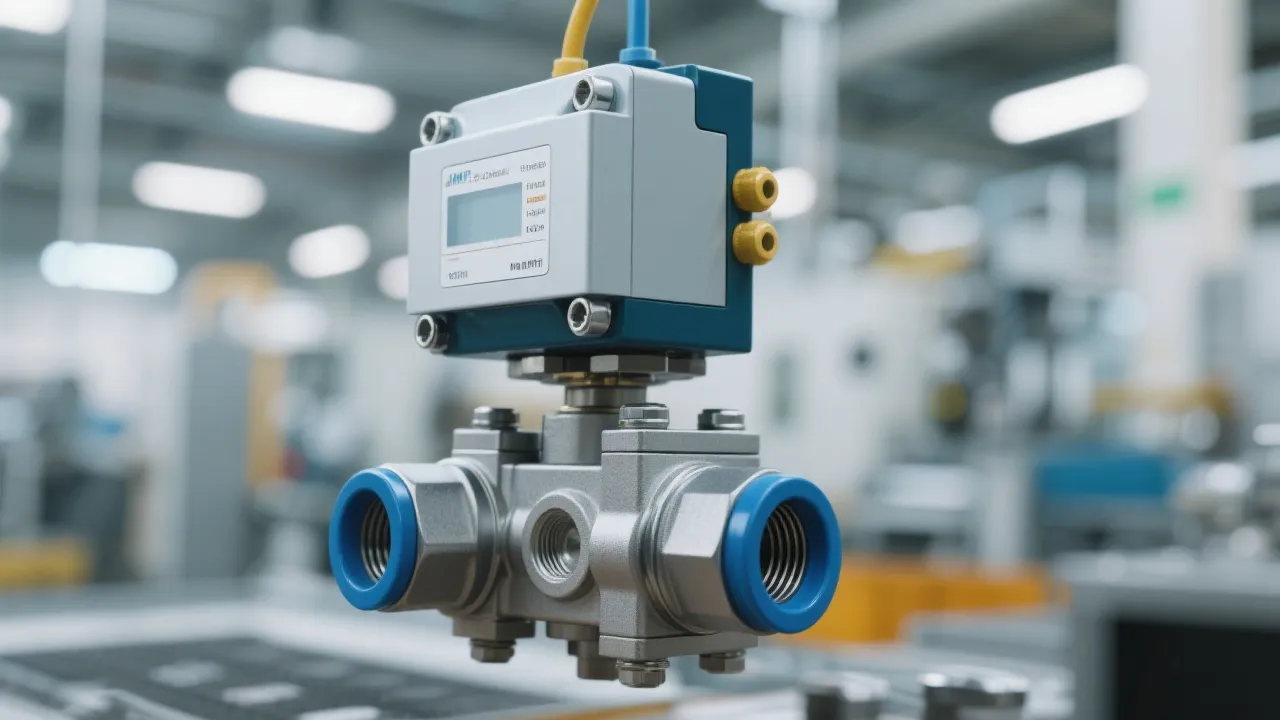
Understanding Proportional Valves
Proportional valves are hydraulic components vital for controlling fluid flow and pressure with high precision in various industrial applications. Their importance in automation and manufacturing settings stems from their ability to offer variable output in response to input signals, greatly enhancing system efficiency and performance.
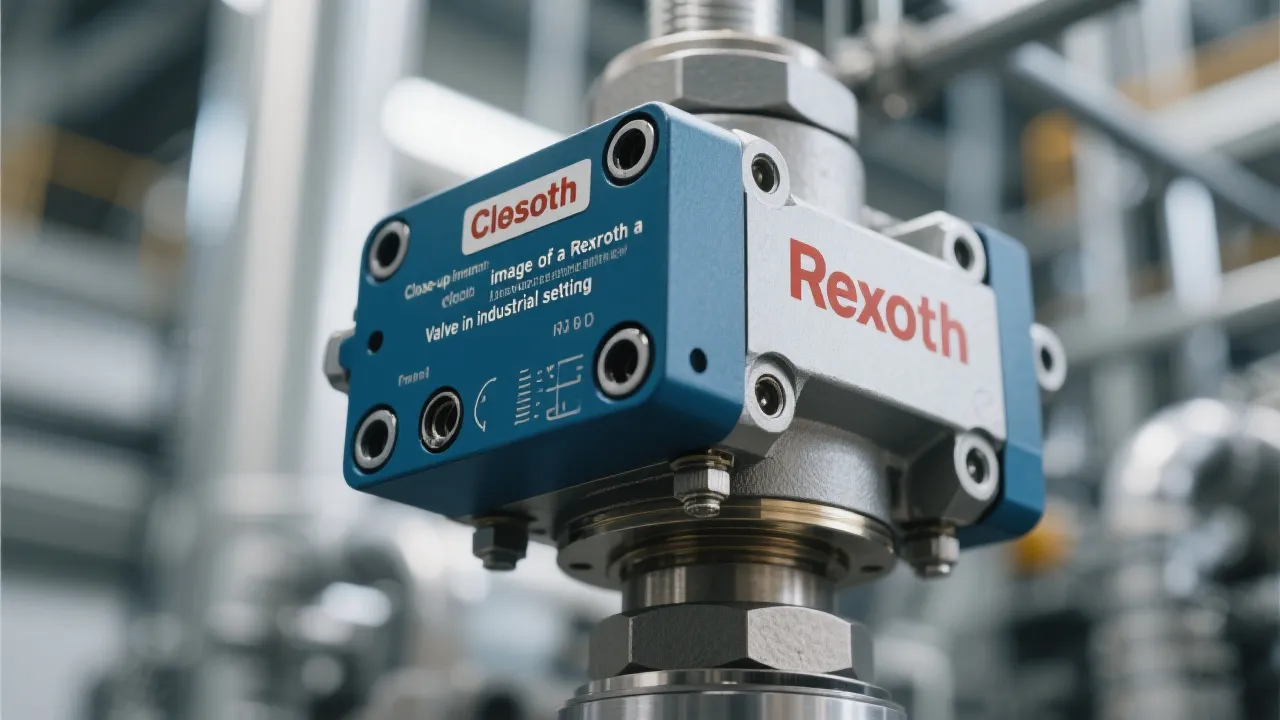
Understanding Rexroth Valve Systems
Rexroth Valves are quintessential components in various industrial applications, known for their precision and reliability. These hydraulic, pneumatic, and electrohydraulic valves regulate fluid flow in machinery, ensuring optimal performance and safety. Understanding their functionality and benefits is crucial for industries seeking efficiency and sustainability in their operations.

Unveiling Thermo Fisher Chromatography
This article explores the pivotal role of Thermo Fisher Chromatography in modern analytical science. Chromatography is crucial for separating compounds within mixtures, making it indispensable in industries such as pharmaceuticals and environmental testing. Thermo Fisher Scientific stands out in this field for its innovative solutions, leading to improved accuracy and efficiency in research and development.

Understanding Corrosion Inhibitor Manufacturers
In today's industrial landscape, corrosion inhibitor manufacturers play a crucial role in safeguarding equipment and infrastructure against corrosive damage. These manufacturers provide specialized chemicals that prevent corrosion in various environments, including industries such as oil and gas, marine, and construction. Understanding their operations and offerings is essential for selecting the right supplier and maintaining asset longevity.

Analyzing Lm66100 Digikey Components
This article offers an in-depth analysis of the Lm66100 component available through Digikey, a renowned distributor of electronic components. The Lm66100, a load switch, is integral in industry applications, providing efficient power management. This piece explores its features, applications, and availability through Digikey, while offering a comprehensive guide for industry professionals seeking to optimize their electronic designs.

Leading Corrosion Inhibitor Suppliers
Corrosion inhibitor manufacturers play a crucial role in protecting materials from degradation. These companies specialize in creating chemical compounds that slow down or prevent the corrosive effects on various surfaces, especially metals. Understanding their production processes and solutions offered is vital for industries reliant on metal infrastructure.
