Corrosion inhibitive sealants are vital in protecting metal surfaces from environmental damage, prolonging their lifespan and ensuring stability. These specialized sealants create a protective barrier that prevents moisture, chemicals, and other elements from penetrating the metal, thereby reducing corrosion and rusting processes. This guide delves into the types, benefits, and application methods of these indispensable materials.
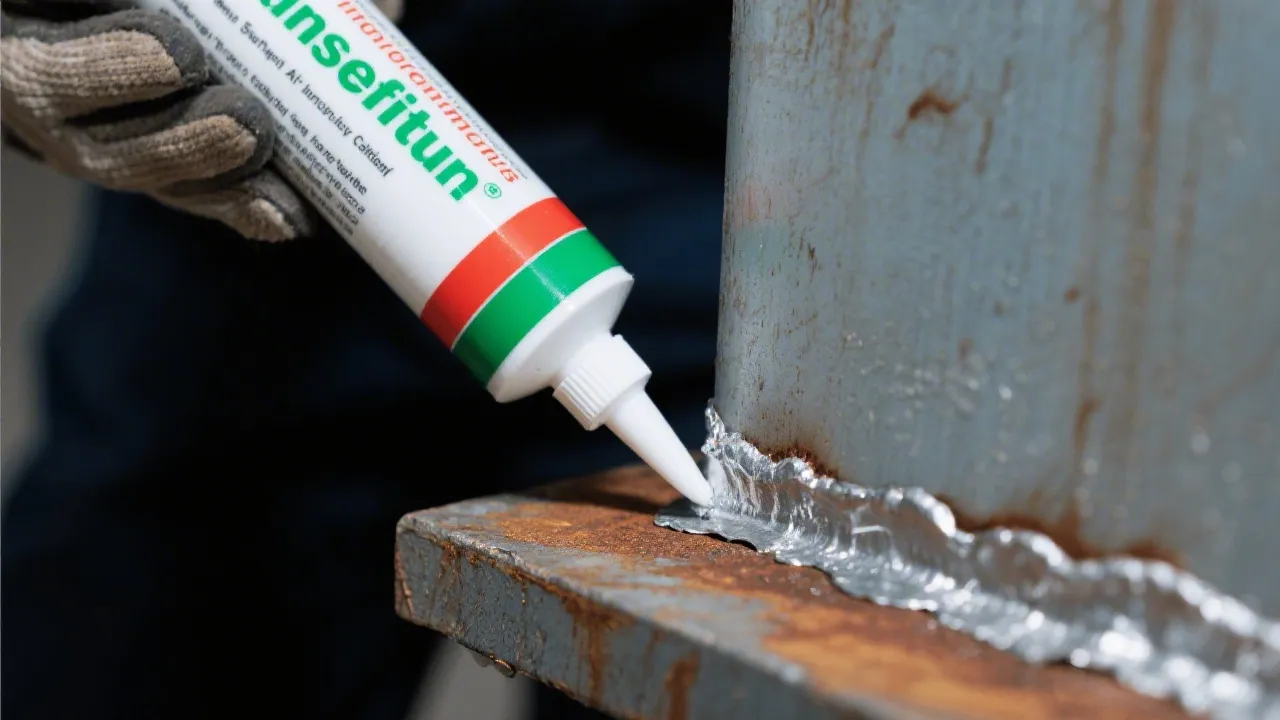
In the realm of material preservation and maintenance, corrosion inhibitive sealants play an indispensable role. These powerful compounds are engineered to safeguard metal surfaces from corrosive elements, thus extending the operational life of industrial components and reducing maintenance costs significantly. As industries face increasing pressure to maximize the longevity of their assets and mitigate downtime, the utilization of corrosion inhibitive sealants has become not just beneficial but essential. Understanding these materials, their formulation, and their applications can lead to smarter choices and investment strategies for organizations seeking to enhance sustainability and profitability.
Corrosion is a natural process that deteriorates metals over time, triggered by environmental interactions such as exposure to moisture, salt, and industrial chemicals. The economic implications can be staggering, with estimates suggesting that corrosion costs the U.S. economy over $300 billion annually across industries. In critical sectors like transportation, oil and gas, and water treatment, corrosion can lead to catastrophic failures, risking not only assets but also human safety and environmental health. Therefore, selecting the right corrosion inhibitive sealant is crucial for preserving the integrity of metal assets, ensuring safety, and managing costs effectively. Effective corrosion management strategies are becoming increasingly essential as regulatory pressures and sustainability goals evolve within industries.
These sealants are formulated to create an impermeable layer that prevents corrosive substances from reaching the metal surface. They often contain inhibitors that actively neutralize corrosive agents. The effectiveness of a sealant can be influenced by its application method, environmental conditions, and the specific metal substrate in use. In addition to creating a physical barrier against moisture and chemicals, many sealants also contain corrosion inhibitors that dissolve and react with the metal surface to passivate it, preventing further oxidation and degradation. This multifaceted protection strategy not only extends the service life of the metal components but also enhances their performance under varied conditions. Key properties such as flexibility, adhesion strength, temperature resilience, and compatibility with various substrates must be considered during the selection process.
Corrosion inhibitive sealants come in various forms, including silicone, polyurethane, and epoxy-based products. Each type has unique properties and advantages:
The effectiveness of these sealants heavily depends on proper application techniques. Surface preparation is paramount, often involving cleaning and drying operations to ensure optimal adhesion. Contaminants such as oil, dust, and rust can significantly reduce the performance of sealants, emphasizing the importance of thorough cleaning before application. Various application methods exist: brushing for precision in smaller areas, spraying for larger surface coverage, or using specialized applicators for even distribution. Consistent application and drying conditions are essential for optimal performance, with many sealants requiring specific temperatures and humidity levels to cure properly. Furthermore, when applying sealants in multiple layers, ensuring each layer cures adequately before the next application is vital to achieve the desired thickness and protective properties.
| Type of Sealant | Benefits | Applications |
|---|---|---|
| Silicone | Flexibility, Temperature Resistance | Aerospace, Automotive, HVAC Sealing |
| Polyurethane | Strong Adhesion, Chemical Resistance | Construction, Marine, Industrial Machinery |
| Epoxy | Superior Bonding, Thickness | Industrial Machinery, Automotive, Infrastructure Repair |
According to industry reports, the market for corrosion inhibitive sealants is expected to grow steadily, driven by increased industrialization and the need for prolonged equipment life. Factors such as the advent of stricter regulatory frameworks concerning environmental safety and material durability propel the demand for high-quality sealants. Experts highlight the significant cost savings achieved by industries that invest in high-quality sealants, emphasizing the economic and operational advantages. Businesses adopting proactive corrosion management practices report fewer breakdowns and reduced material replacements due to protective solutions such as corrosion inhibitive sealants. The growth of green buildings and sustainable practices has also influenced the market, with a push towards environmentally friendly sealant options that reduce toxicity and harmful emissions.
The application of corrosion inhibitive sealants spans diverse sectors, each requiring specific solutions tailored to their unique operational challenges. In the automotive industry, for instance, sealants are utilized extensively to protect exposed metal surfaces and joints that experience constant movement and stress. A leading automaker integrated advanced polyurethane sealants in their assembly line, resulting in a 25% reduction in warranty claims due to corrosion-related issues.
In marine environments, where saltwater and high humidity levels prevail, epoxy sealants are often employed to coat hulls and underwater components. A case study on a coastal ferry service revealed that implementing epoxy-based sealants on their vessels reduced maintenance intervals by nearly 50%, allowing for longer operational periods without dry docking. This change led to increased revenue due to higher service availability and reduced downtime.
Moreover, in the construction sector, silicone sealants are frequently used for fenestration and façade applications, providing weather-tight and energy-efficient solutions to buildings. The installation of high-performance silicone sealants resulted in energy savings of up to 20% for a large commercial complex, highlighting how protective sealants contribute not only to longevity but also to overall operational efficiency through energy conservation.
As technology advances, the future of corrosion inhibitive sealants appears promising. Researchers are exploring novel materials, such as bio-based sealants derived from natural sources, which offer lower environmental impact while providing effective corrosion protection. The development of self-healing sealants emerges as an exciting innovation, where microcapsules of healing agents embedded in a sealant can activate and repair themselves upon damage, thereby extending the sealant’s life further.
Additionally, smart coatings integrating sensors capable of detecting the onset of corrosion can revolutionize monitoring practices. These advanced systems could provide real-time feedback, allowing for timely maintenance actions before extensive damage occurs. As industries continue to evolve, embracing digital transformation and IoT technologies, it is likely that corrosion management will intertwine with predictive analytics, providing users with data-driven insights for optimal maintenance strategies.
The regulations governing the use and disposal of sealants are continuously evolving in response to growing environmental concerns. Many jurisdictions are imposing stricter standards regarding the VOC (volatile organic compounds) emissions from sealants. As industries strive for compliance, manufacturers are innovating products with lower VOC levels that still meet performance benchmarks. This trend aligns with the global shift towards sustainability, prompting businesses to reconsider the materials they choose.
Moreover, the environmental impact of corrosion and deterioration extends beyond financial implications, affecting ecosystems and community health. The presence of corroded materials in infrastructure such as bridges and pipelines poses safety risks and potential contamination threats. Companies focusing on environmentally friendly corrosion management solutions can enhance their corporate social responsibility (CSR) profiles while mitigating risks associated with regulatory fines and reputational damage.
They are crucial for preventing metal degradation, thus saving costs on repairs and replacements while enhancing safety. Additionally, these sealants contribute to the overall durability and lifespan of machinery and structural components, resulting in lower lifecycle costs.
Consider the environment, type of metal, and application process. Consult with suppliers to find products that meet specific requirements. A thorough assessment of the conditions, such as exposure to moisture, chemicals, and temperature extremes, will guide you in selecting the most suitable sealant for your needs.
Lifespan varies by type and application, but regular inspections and maintenance can significantly extend their effectiveness. Silicone sealants may last several years, while epoxy sealants could offer protection for a decade or more under optimal conditions. Establishing a routine check for signs of deterioration is crucial for maintaining protective measures.
Corrosion inhibitive sealants are a cornerstone in the defense against metal degradation, safeguarding investments and ensuring good functionality. Their effective application results in robust protection that not only enhances the longevity of metal surfaces but also contributes to overall operational efficiency. A strategic approach to selecting and applying these sealants can yield tangible benefits, aligning industrial operations with high standards of maintenance and durability. Companies that prioritize proactive corrosion management through the use of advanced sealants are likely to stay ahead in competitive markets, enjoying the dual benefits of cost-saving and environmental responsibility.
For those interested in delving deeper into the world of corrosion management and sealants, a wealth of resources is available:
By leveraging these resources, industry professionals can stay informed about the latest trends, innovations, and best practices in corrosion inhibition and protective sealant use.
Striking the Perfect Balance: Navigating Premiums and Out-of-Pocket Expenses in Senior Insurance Plans

Explore the Tranquil Bliss of Idyllic Rural Retreats

How to Make Lasting Memories at Disneyland Attractions

Affordable Full Mouth Dental Implants Near You

Unlock the Top Kept Secrets to Finding Your Ideal Dentist for Flawless Dental Implant Results!

Discovering Springdale Estates

The Guide to Car Trading

Unlock the Full Potential of Your RAM 1500: Master the Art of Efficient Towing!

Understanding Royal Canin Maxi Adult

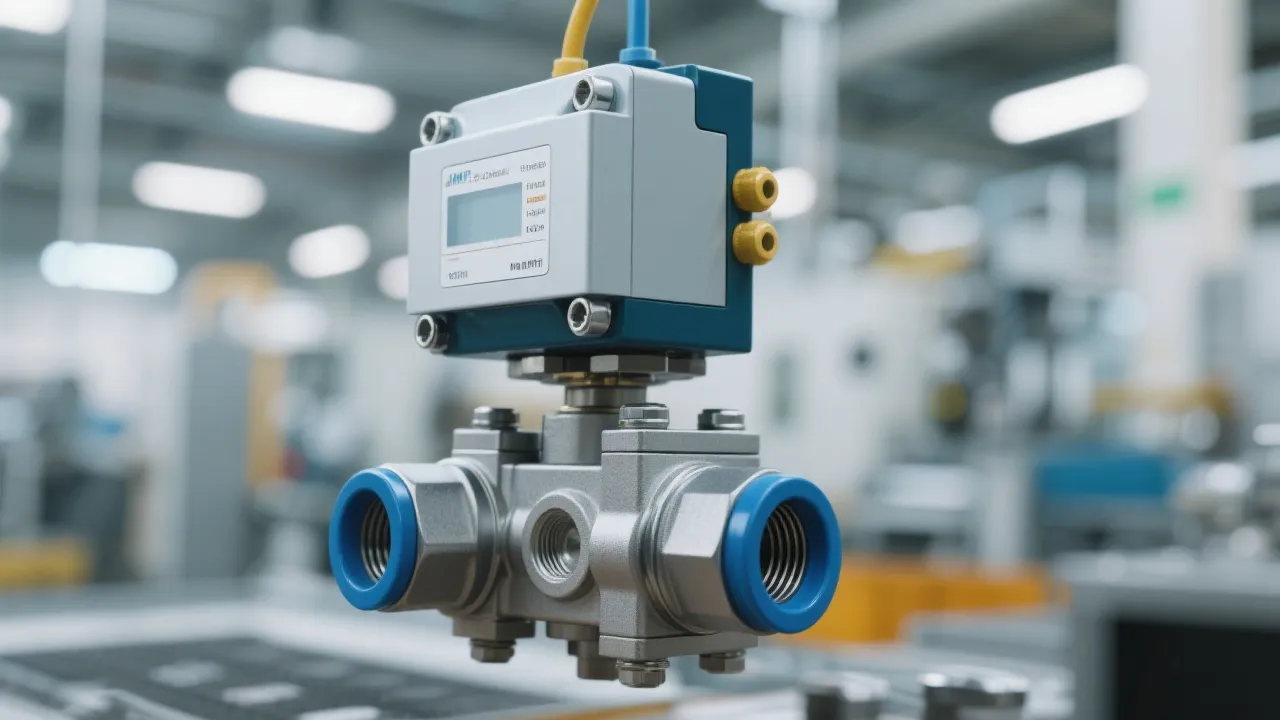
Understanding Proportional Valves
Proportional valves are hydraulic components vital for controlling fluid flow and pressure with high precision in various industrial applications. Their importance in automation and manufacturing settings stems from their ability to offer variable output in response to input signals, greatly enhancing system efficiency and performance.
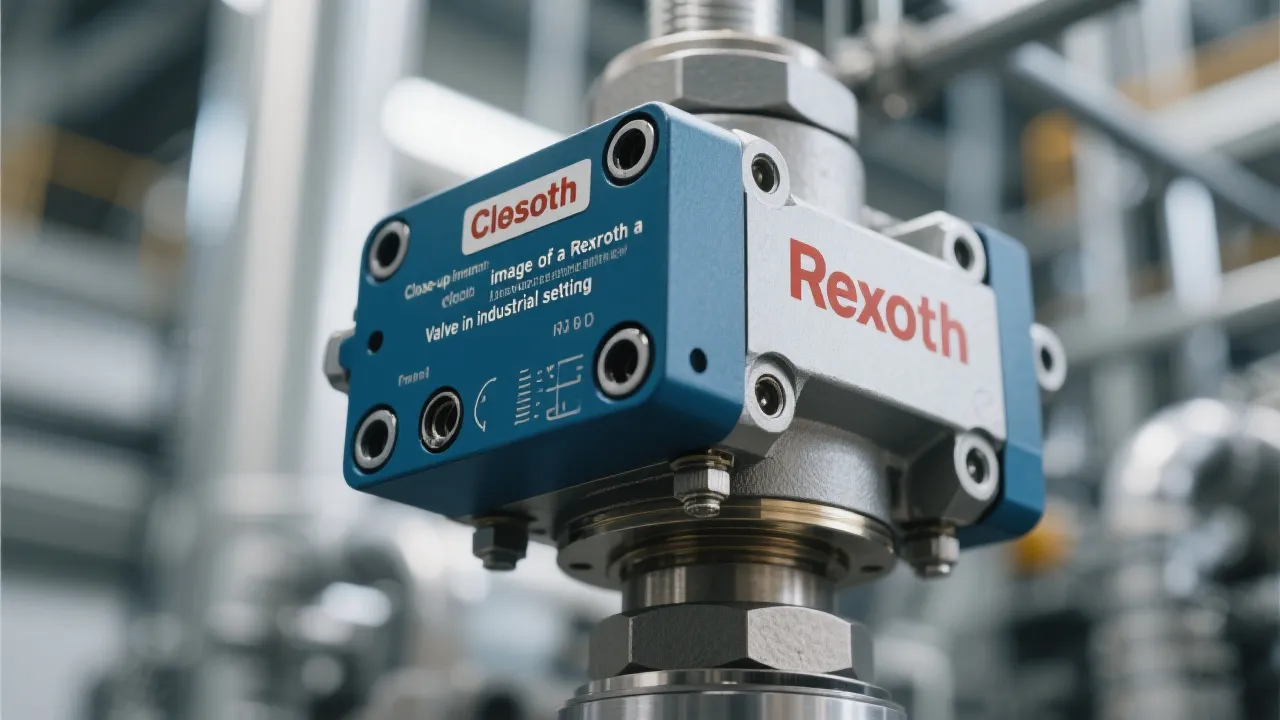
Understanding Rexroth Valve Systems
Rexroth Valves are quintessential components in various industrial applications, known for their precision and reliability. These hydraulic, pneumatic, and electrohydraulic valves regulate fluid flow in machinery, ensuring optimal performance and safety. Understanding their functionality and benefits is crucial for industries seeking efficiency and sustainability in their operations.

Unveiling Thermo Fisher Chromatography
This article explores the pivotal role of Thermo Fisher Chromatography in modern analytical science. Chromatography is crucial for separating compounds within mixtures, making it indispensable in industries such as pharmaceuticals and environmental testing. Thermo Fisher Scientific stands out in this field for its innovative solutions, leading to improved accuracy and efficiency in research and development.

Understanding Corrosion Inhibitor Manufacturers
In today's industrial landscape, corrosion inhibitor manufacturers play a crucial role in safeguarding equipment and infrastructure against corrosive damage. These manufacturers provide specialized chemicals that prevent corrosion in various environments, including industries such as oil and gas, marine, and construction. Understanding their operations and offerings is essential for selecting the right supplier and maintaining asset longevity.

Analyzing Lm66100 Digikey Components
This article offers an in-depth analysis of the Lm66100 component available through Digikey, a renowned distributor of electronic components. The Lm66100, a load switch, is integral in industry applications, providing efficient power management. This piece explores its features, applications, and availability through Digikey, while offering a comprehensive guide for industry professionals seeking to optimize their electronic designs.

Leading Corrosion Inhibitor Suppliers
Corrosion inhibitor manufacturers play a crucial role in protecting materials from degradation. These companies specialize in creating chemical compounds that slow down or prevent the corrosive effects on various surfaces, especially metals. Understanding their production processes and solutions offered is vital for industries reliant on metal infrastructure.
