An ATEX Enclosure is a robust protective housing used to safeguard electrical equipment in explosive environments. It ensures the safe operation of devices in sectors such as petrochemicals, pharmaceuticals, and food production by preventing ignition sources from interacting with explosive atmospheres.
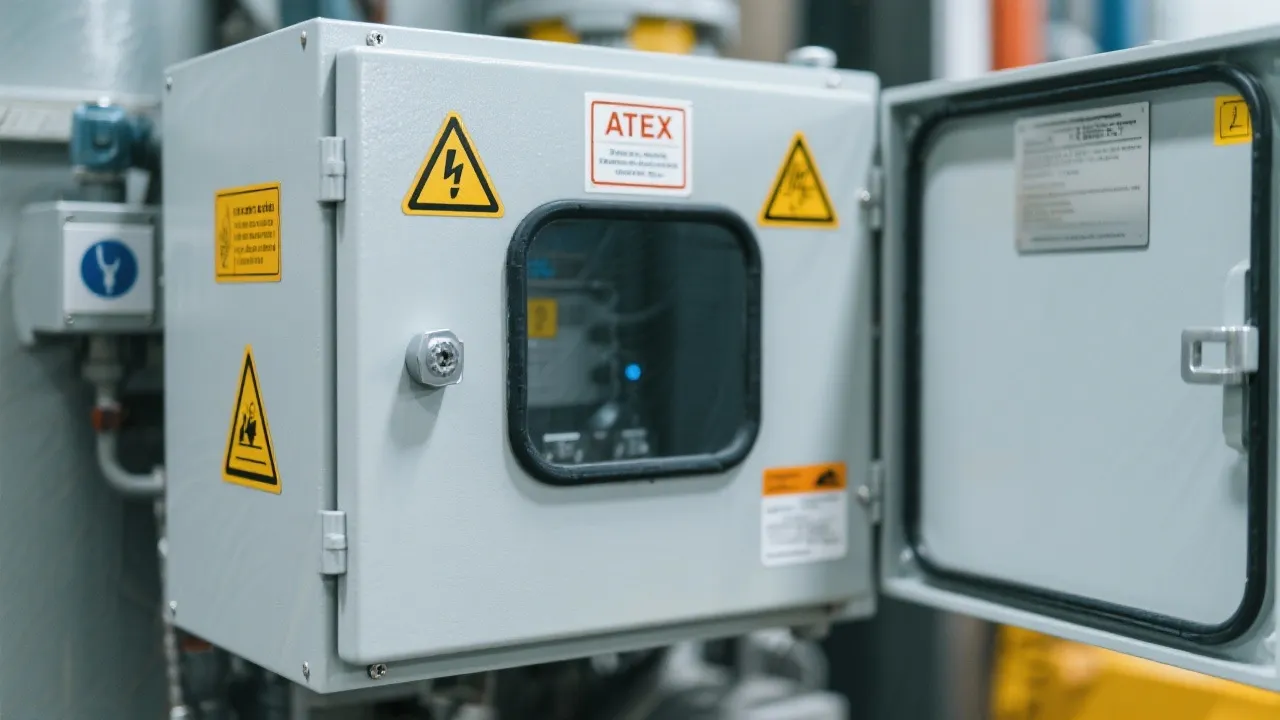
ATEX Enclosures are specially designed protective housings that play a critical role in maintaining the safety and integrity of electrical equipment within hazardous environments. These enclosures are built to meet the stringent safety requirements outlined by the European Union directives for explosive atmospheres, commonly known as ATEX (Atmosphères Explosibles). They are essential in industries such as petrochemicals, pharmaceuticals, and food production, where explosive gases or dust might be present.
Understanding ATEX compliance is crucial for companies operating in sectors where explosive atmospheres can occur. The term "ATEX" itself is derived from the French "ATmosphères EXplosibles," a directive that emphasizes safety precautions within potentially explosive environments. This regulation provides guidance on the risks associated with explosive atmospheres and the necessary measures that should be adopted to mitigate such risks in both design and operational stages.
ATEX Enclosures are characterized by their durability and ability to contain internal explosions without transferring damage outside the enclosure. They are typically constructed from materials such as stainless steel, aluminum, or reinforced polymers to provide both strength and resistance to a variety of industrial conditions. Moreover, these enclosures are engineered to prevent internal sparks or arcs from coming into contact with ambient explosive atmospheres, thus ensuring operational safety.
One of the crucial design elements of ATEX Enclosures is their sealing capability. Proper sealing mechanisms are necessary to prevent the ingress of dust and other contaminants that could compromise the enclosure's integrity. Additionally, the construction must allow for effective heat dissipation, ensuring that the equipment inside does not overheat, which could also present a safety risk. The strength of materials used is a factor that not only contributes to the reliability of the enclosure but also ensures it can withstand the physical stresses it may encounter in aggressive environments.
The primary function of an ATEX Enclosure is to protect both the equipment housed within and the surrounding environment from the potential risks associated with electrical operations. With the rise of automated processes and the increasing complexity of industrial systems, the need for reliable ATEX-certified enclosures has never been more critical. Their application transcends various sectors, wherever safety regulations require rigorous measures to prevent explosions that could be ignited by electrical equipment.
In sectors such as the oil and gas industry, ATEX Enclosures are a fundamental requirement. These environments are rife with potential ignition sources due to the presence of flammable gases and vapors. The same holds true for chemical manufacturing facilities where volatile substances are handled. Here, the consequences of an explosion can be catastrophic, making the role of ATEX-certified equipment absolutely indispensable. In hazardous areas, ensuring the correct equipment is used is not only a legislative mandate but also a moral obligation toward workforce safety.
Selecting an appropriate ATEX Enclosure requires a detailed understanding of the specific requirements of the application and the nature of the explosive risks involved. Companies must consider factors such as temperature ratings, material compatibility, and ingress protection ratings when making their selections. Additionally, compliance with regulated standards and quality certifications is non-negotiable in ensuring that the enclosure will perform as expected in the field.
To choose the best enclosure, one must first assess the classification of the hazardous area where the equipment will be installed. Zones are categorized based on the frequency and duration of the presence of explosive atmospheres. For instance, Zone 0 refers to areas where explosive gases or dust are continuously present, while Zone 1 is where they are likely to occur occasionally. Each zone has specific standards and requirements for equipment designed to be deployed within them.
Moreover, companies should prioritize the reputation and certifications of the manufacturers. A reliable manufacturers' history will enhance the likelihood that the enclosure meets the necessary safety standards. Engaging with manufacturers who specialize exclusively in hazardous areas can lead to better insights into the selection process and product specifications. Additionally, consulting with safety engineers or certified professionals can provide further guidance tailored to specific needs.
The certification process for ATEX Enclosures involves rigorous testing to ensure compliance with the relevant directives. This process includes assessing the enclosure's engineering design, the reliability of its sealing mechanisms, and its endurance under operational stress. Manufacturers are required to display both the ATEX mark and additional coding that specifies the equipment’s suitability for a particular type of hazardous environment.
One of the key aspects of ATEX compliance is the concept of “type of protection.” ATEX-certified enclosures can come with several different types of protection, such as flameproof (Ex d), increased safety (Ex e), or intrinsic safety (Ex i). Each protection type is suited to different hazards; for instance, flameproof enclosures are designed to withstand an explosion and prevent it from escaping, while intrinsic safety involves designing the electrical circuits in a way that they cannot produce enough energy to trigger an explosion.
Furthermore, regular inspections and maintenance of ATEX Enclosures are essential. Even after installation, the ongoing compliance of these enclosures must be ensured. This involves not only visual inspections but also functional testing to confirm that all safety features operate reliably. Documentation should be maintained meticulously, detailing the results of inspections and any changes made to the equipment or its placement.
| Material | Advantages | Limitations |
|---|---|---|
| Stainless Steel | High durability, corrosion resistance, excellent for outdoor use | Higher cost, heavier weight, potential for thermal conduction issues in extreme temperatures |
| Aluminum | Light weight, good thermal conductivity, good strength-to-weight ratio | Less resistant to corrosive environments, needs protective coatings in harsh atmospheres |
| Reinforced Polymers | Cost-effective, lightweight, offers some level of impact resistance | Lower impact resistance, may not withstand extreme temperatures or harsh chemical exposure |
What industries benefit significantly from ATEX Enclosures?
Industries such as oil and gas, chemical manufacturing, mining, and food production are typical sectors where ATEX Enclosures are vital due to the high potential for explosive atmospheres. The pharmaceutical industry also holds a critical demand for such enclosures, as the presence of solvents, chemicals, and fine powders can create potentially explosive environments.
How are ATEX Enclosures tested for safety?
ATEX Enclosures undergo a series of rigorous testing protocols, often simulating explosive conditions to evaluate how well they can contain and isolate electrical sparks from hazardous materials. These tests typically include evaluations of temperature rises, pressure differentials, and simulations of potential ignition sources that could trigger an explosion. Testing must adhere to established standards, ensuring a comprehensive evaluation of risks.
Are there any cost-effective solutions for ATEX Enclosures?
While maintaining compliance and safety is paramount, manufacturers may opt for reinforced polymer enclosures as a cost-effective alternative, provided they meet the specific requirements of their hazardous environments. It is essential to balance cost with safety, ensuring that even budget-friendly solutions do not compromise on the necessary protection or durability standards.
How does ambient temperature affect ATEX Enclosures?
Ambient temperatures can significantly impact the performance of ATEX Enclosures. Each enclosure is rated for a specific temperature range, and exceeding this can lead to equipment failure or compromise safety features. Companies must ensure that environmental conditions are assessed and that the selected enclosure can handle these conditions without degrading the materials or exacerbating safety risks.
Understanding the nuances of ATEX Enclosures allows businesses to make informed decisions that ensure both operational safety and regulatory compliance. As the industrial landscape continues to demand higher safety standards, the role of these enclosures becomes even more pivotal in safeguarding both people and facilities.
The market for ATEX Enclosures is dynamic, with trends reflecting broader changes in technology and industry practices. As industries strive for efficiency and increasingly integrate digital technologies, the demand for smart ATEX solutions has emerged. These innovations include remote monitoring capabilities and integration with IoT (Internet of Things) devices, which help ensure real-time assessments of environmental conditions and equipment performance.
Manufacturers are also exploring lightweight materials that can maintain compliance while providing increased mobility and ease of installation. The advent of new materials, such as advanced composites, offers further opportunities to enhance the functionality of ATEX Enclosures without sacrificing explosion-proof capabilities. This aligns with the growing emphasis on sustainability, as companies seek greener alternatives that reduce environmental impact.
Another important trend is the adoption of modular designs for ATEX Enclosures, which allow for greater flexibility and ease of installation in varied environments. Modular systems promote customization and adaptability, enabling companies to modify their configurations easily in response to changing operational needs or upgrades to equipment. This adaptability is invaluable as companies face increasingly dynamic industry challenges and technological advancements.
Several companies have successfully implemented ATEX Enclosures that not only comply with safety regulations but also enhance operational efficiency. One notable case study involves a leading oil and gas company that upgraded its offshore platforms with advanced ATEX Enclosures to house control systems and sensors. By choosing enclosures with modular designs, the company was able to quickly adapt to operational changes and reduce downtime significantly during maintenance periods.
In another instance, a global food manufacturer faced safety compliance issues due to the presence of dust generated during the production process. They implemented reinforced polymer ATEX Enclosures specifically designed to withstand high levels of dust accumulation while also being lightweight for easier handling. This adaptation led to measurable safety improvements and increased operational efficiency, as well as facilitating easier cleaning and maintenance protocols.
Ensuring the long-term reliability and compliance of ATEX Enclosures requires a commitment to maintenance and regular checks. Best practices include establishing a routine inspection schedule that incorporates both visual and functional assessments to ensure that seals are intact, no physical damage is present, and that the enclosure shows no signs of material degradation due to environmental exposure.
Additionally, effective documentation is crucial. Records should be kept of all maintenance activities, testing results, and any modifications made to the enclosures. This not only aids in regulatory compliance but also provides a historical context that can prove invaluable in audits or safety inspections. Furthermore, training personnel on the importance of ATEX compliance and the specific features of the enclosures they are working with can enhance safety culture and operational symbiosis within the workplace.
Another vital aspect of maintenance is engaging with manufacturers for ongoing support. Many companies offer maintenance programs or training to ensure that businesses can effectively monitor and maintain their equipment. This relationship can provide enhanced safety insights, updates on emerging technologies, and tips for maximizing the lifespan of the enclosure and associated equipment.
As the industrial environment continues to evolve, the importance of ATEX Enclosures in ensuring safety and compliance cannot be overstated. From their critical role in protecting against explosive hazards to their innovative advancements addressing modern industrial challenges, these enclosures contribute significantly to operational safety and efficiency. By understanding the intricacies of ATEX Enclosures—including their selection, maintenance, and the regulations that govern them—businesses can better protect their employees, facilities, and bottom lines from the potentially catastrophic consequences of explosions and fires in hazardous environments.
Explore the Tranquil Bliss of Idyllic Rural Retreats

Ultimate Countdown: The 20 Very Legendary Gaming Consoles Ever!

Understanding Halpin and its Influence

Affordable Full Mouth Dental Implants Near You

Discovering Springdale Estates

Illinois Dentatrust: Comprehensive Overview

Embark on Effortless Adventures: Unveiling the Top in Adventures Made Easy Outdoor Equipment

The Guide to Car Trading

Unveiling Ossur Valves: Innovation in Prosthetics
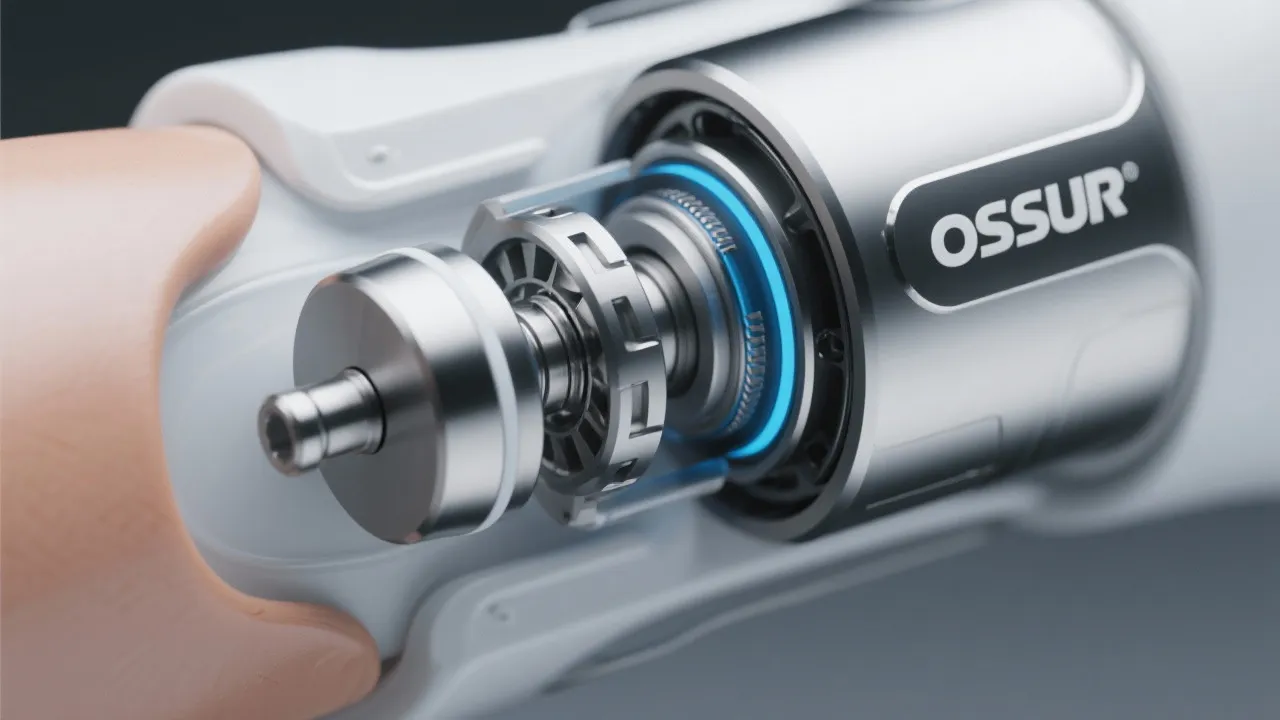
Unveiling Ossur Valves: Innovation in Prosthetics
Ossur Valves represent a remarkable advancement in prosthetic technology, enhancing the comfort and functionality for users globally. These specialized valves are essential components in prosthetic limbs, facilitating pressure release and improving the overall fit, thereby contributing significantly to the quality of life and mobility for those who use them. In this article, discover the significance of Ossur Valves in optimizing prosthetic devices and explore their impact on the industry through detailed analysis and expert insights.

The Future with Ossur Valves
Ossur Valves are integral components in modern prosthetic devices, enhancing mobility and comfort for users worldwide. These engineering marvels offer profound advancements in prosthetic technology, allowing for dynamic movements and a more tailored experience for each individual. High-quality materials and cutting-edge design contribute to their prominent position in the industry.
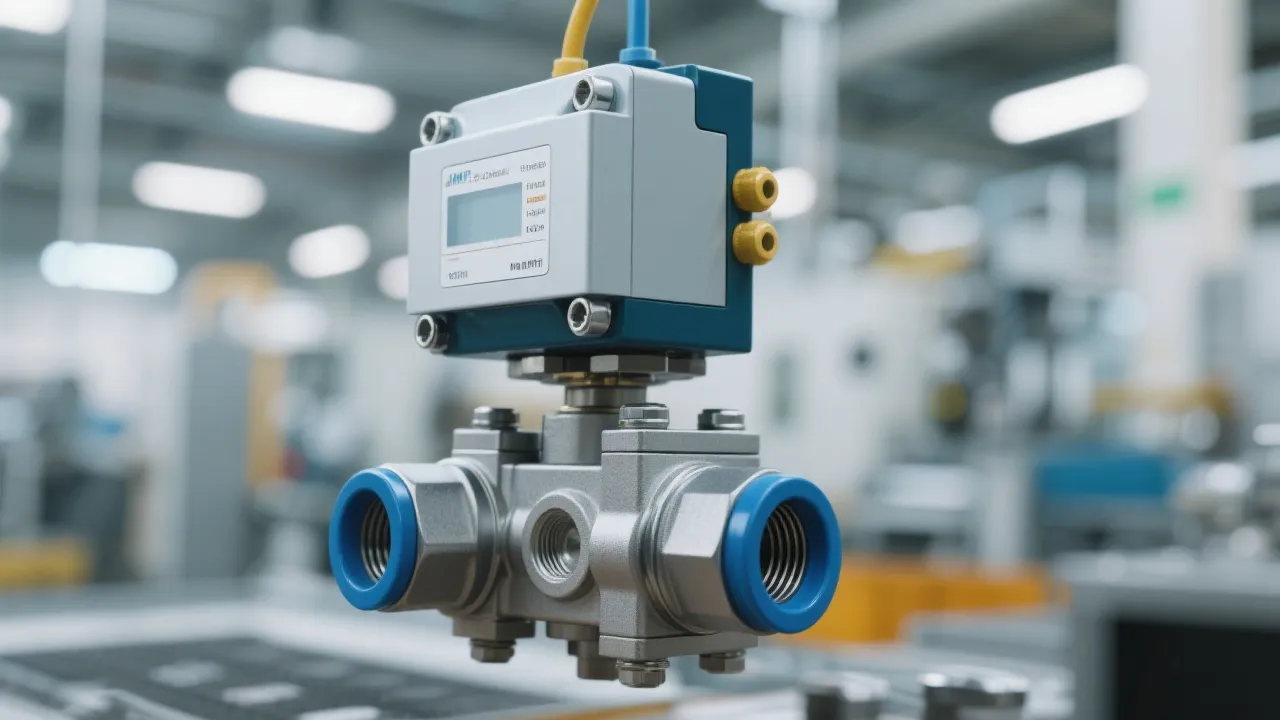
Understanding Proportional Valves
Proportional valves are hydraulic components vital for controlling fluid flow and pressure with high precision in various industrial applications. Their importance in automation and manufacturing settings stems from their ability to offer variable output in response to input signals, greatly enhancing system efficiency and performance.
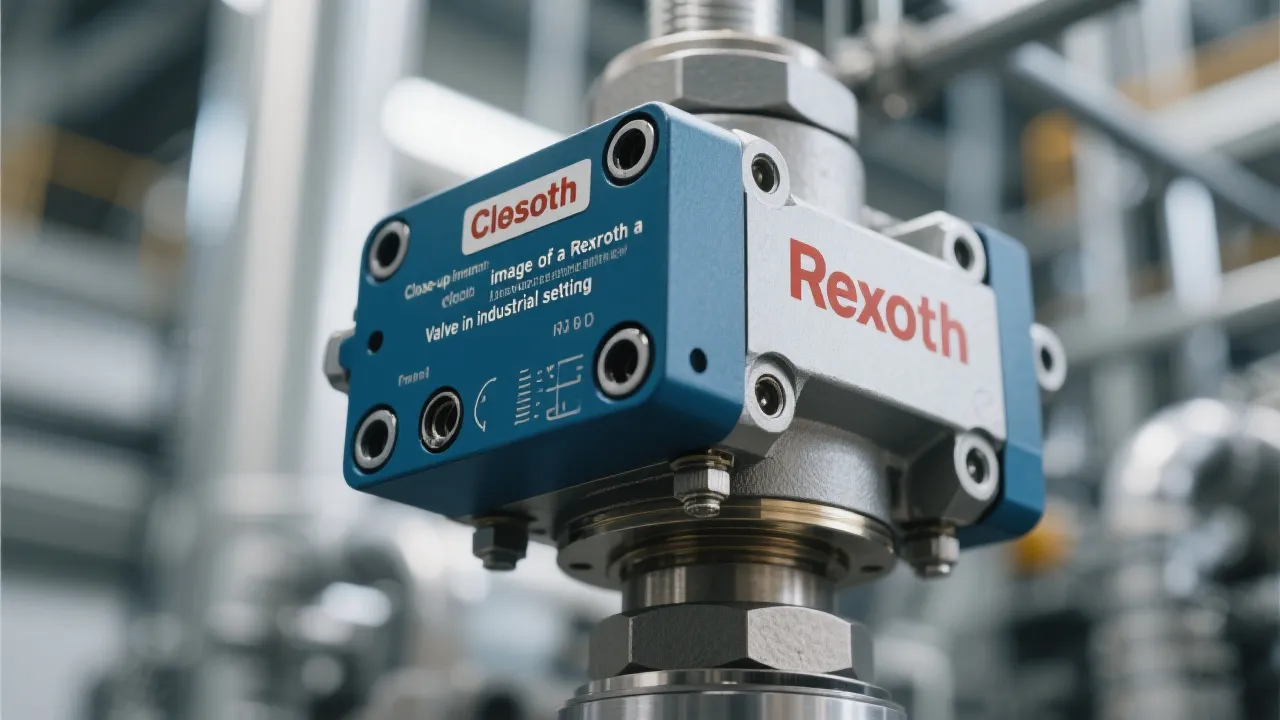
Understanding Rexroth Valve Systems
Rexroth Valves are quintessential components in various industrial applications, known for their precision and reliability. These hydraulic, pneumatic, and electrohydraulic valves regulate fluid flow in machinery, ensuring optimal performance and safety. Understanding their functionality and benefits is crucial for industries seeking efficiency and sustainability in their operations.
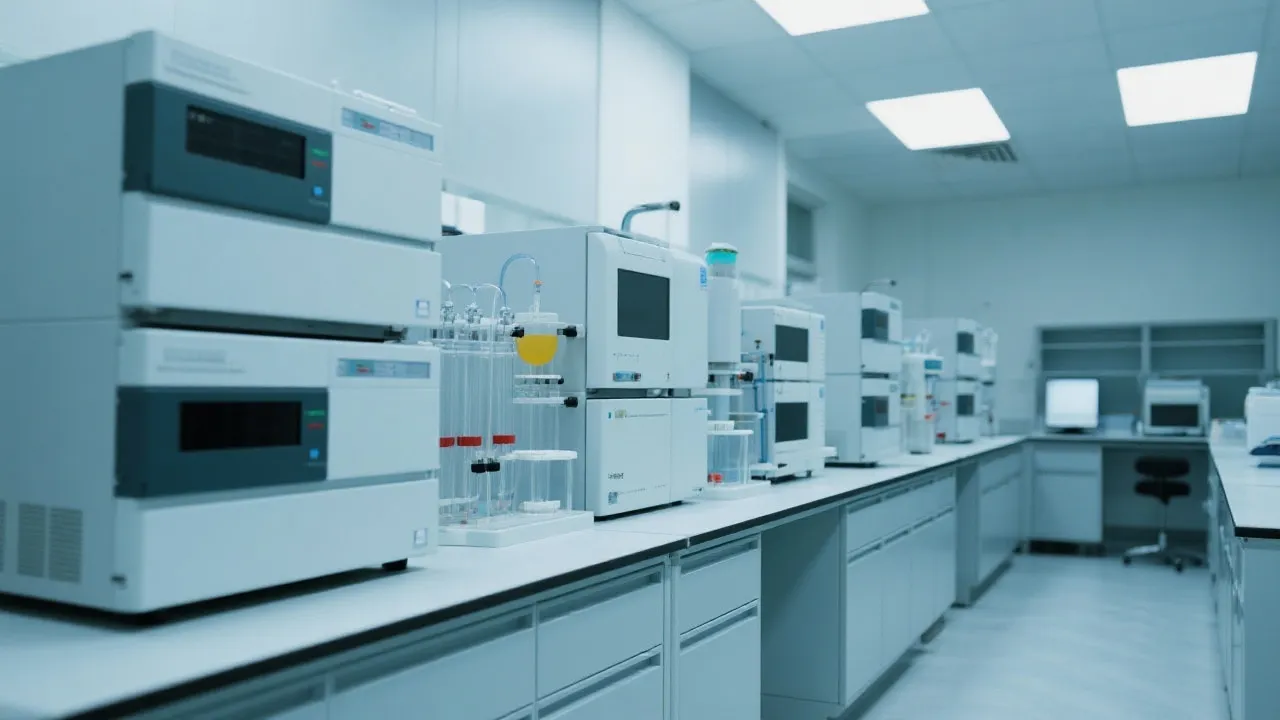
Unveiling Thermo Fisher Chromatography
This article explores the pivotal role of Thermo Fisher Chromatography in modern analytical science. Chromatography is crucial for separating compounds within mixtures, making it indispensable in industries such as pharmaceuticals and environmental testing. Thermo Fisher Scientific stands out in this field for its innovative solutions, leading to improved accuracy and efficiency in research and development.

Understanding Corrosion Inhibitor Manufacturers
In today's industrial landscape, corrosion inhibitor manufacturers play a crucial role in safeguarding equipment and infrastructure against corrosive damage. These manufacturers provide specialized chemicals that prevent corrosion in various environments, including industries such as oil and gas, marine, and construction. Understanding their operations and offerings is essential for selecting the right supplier and maintaining asset longevity.
