Atex Enclosures are critical safety components used in various industries to prevent explosions. They ensure the protection of electrical and mechanical equipment in hazardous environments. This article delves into the significance of Atex Enclosures, their applications, standards, and benefits, providing in-depth insights from an industry expert's perspective. Understanding these systems is vital for ensuring workplace safety and regulatory compliance.
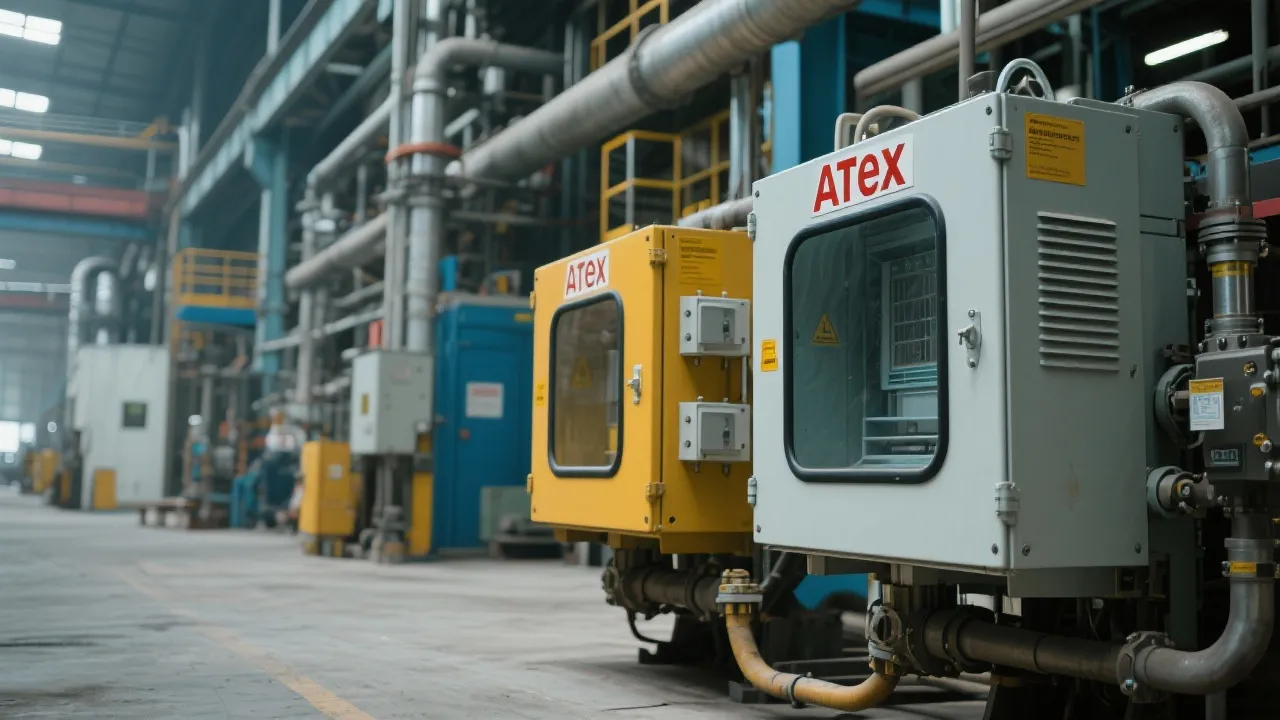
Atex Enclosures play a pivotal role in industrial safety, particularly in environments where explosive atmospheres may occur. These enclosures are designed to prevent internal sparks or heat from igniting surrounding flammable gases or dust, thereby averting catastrophic accidents. They are essential in industries like oil and gas, chemical processing, and grain handling, where explosion risks are prevalent. Utilizing Atex Enclosures ensures compliance with stringent safety regulations, safeguarding both equipment and personnel.
In recent years, the focus on workplace safety has intensified, with industries looking for effective solutions to manage risk. Atex Enclosures not only serve their primary purpose of explosion prevention but also integrate advanced technologies to enhance monitoring and control systems in hazardous environments. Consequently, the selection and implementation of Atex Enclosures has become a critical aspect of industrial operation strategies, effectively addressing both safety and productivity concerns.
Atex Enclosures are specialized housings for electrical and mechanical equipment operating in potentially explosive atmospheres. They adhere to the ATEX directives, which stand for "Atmosphères Explosibles," a set of European Union guidelines that classify and regulate environments where explosive atmospheres can form. These enclosures are engineered to withstand harsh conditions and prevent any potential triggers of ignition from interacting with the hazardous surroundings.
Each Atex Enclosure is categorized based on the type of hazardous materials present, the nature of the explosive atmosphere, and the environmental conditions it must withstand. These classifications determine the design, materials, and technology used in building Atex Enclosures. Notably, the ATEX directives established two key aspects: ATEX 114 covers equipment used within explosive environments, while ATEX 153 addresses workplace safety in areas where explosive atmospheres may occur.
The fundamental components of an Atex Enclosure include robust materials like stainless steel or aluminum, sealants resistant to temperature extremes and chemical exposure, and specially designed electrical fittings. The enclosure design must ensure no gaps or openings that could permit explosive gases or dust to interact with internal components.
Effective engineering of Atex Enclosures encompasses several design principles aimed at achieving maximum safety and functionality:
| Component | Function |
|---|---|
| Material | Provides structural integrity and resistance to environmental hazards. |
| Sealants | Prevent ingress of dust, gases, and moisture. |
| Electrical Fittings | Ensure safe connectivity without compromising enclosure integrity. |
| Cooling Systems | Regulate internal temperatures to avoid overheating and potential ignition. |
| Grounding Mechanisms | Reduce the risk of static electricity buildup, which can trigger explosions. |
Compliance with ATEX directives is non-negotiable for businesses operating in explosive environments. Manufacturers must ensure their enclosures pass rigorous testing for durability and safety. Certifications are often issued by recognized bodies after thorough assessment and testing. Compliance not only safeguards people and equipment but also protects businesses from legal and financial repercussions associated with safety breaches.
Beyond the ATEX directives, many industries require additional certifications, such as IECEx for international compliance. IECEx certification indicates that equipment is safe to use in explosive atmospheres globally. Businesses operating in multiple countries must be aware of these varying standards to ensure they're meeting all necessary safety requirements.
Additionally, the process of obtaining certifications typically involves rigorous third-party testing that evaluates the construction, materials, and performance under simulated conditions. The expense of these audits is a small price to pay compared to the costs associated with potential accidents due to non-compliance.
The versatility of Atex Enclosures makes them suitable across various sectors:
The integration of Atex Enclosures into hazardous work environments offers numerous benefits:
Selecting the appropriate Atex Enclosure involves evaluating several factors:
Q1: What distinguishes Atex Enclosures from regular industrial enclosures?
A: Atex Enclosures are specifically designed to prevent explosions by containing internal sparks and heat, unlike regular enclosures that do not have such capabilities. Their design integrates specialized safety features that meet strict regulatory standards.
Q2: Are Atex Enclosures mandatory for all hazardous locations?
A: While not universally mandatory, they are essential for any industry where explosive atmospheres are a risk. Compliance greatly enhances safety and adherence to legal standards, and many insurance policies may require them for coverage in high-risk areas.
Q3: How often should Atex Enclosures be inspected?
A: Regular inspections and maintenance checks should be conducted in accordance with manufacturer guidelines and industry standards to ensure continuous protection. Best practices suggest quarterly inspections, particularly in environments with high operational turnover.
Q4: Can Atex Enclosures be customized?
A: Yes, many manufacturers offer customization options to suit specific industrial requirements and environmental challenges. Custom features could include size modifications, integration of cooling systems, or adjustments based on particular chemical compatibility needs.
Q5: What happens if an Atex Enclosure fails?
A: A failure in an Atex Enclosure can result in catastrophic incidents, including explosions or fires. Preventative measures such as regular maintenance and adhering to proactive safety protocols are critical in mitigating this risk, alongside training personnel to recognize potential issues.
Atex Enclosures are indispensable in ensuring safety and compliance in environments prone to explosions. As industries evolve towards safer operations, embracing these enclosures not only fulfills regulatory obligations but significantly mitigates risks inherent in such volatile settings. Understanding and implementing Atex standards ultimately safeguard lives and catalyze smoother industrial processes.
Investing in well-designed Atex Enclosures reflects a commitment not only to regulatory compliance but also to the well-being of employees and the safeguarding of critical industrial assets. As technological advancements continue to enhance enclosure designs, businesses must stay updated on the latest innovations and safety protocols to ensure long-term operational continuity. As industries evolve and face new challenges, Atex Enclosures represent a critical line of defense in the quest for safety in hazardous work environments. Their role is broader than mere compliance; it is about fostering a culture of safety, enhancing operational reliability, and protecting both personnel and the environment from the inherent risks associated with explosive atmospheres.
Explore the Tranquil Bliss of Idyllic Rural Retreats

Ultimate Countdown: The 20 Very Legendary Gaming Consoles Ever!

Understanding Halpin and its Influence

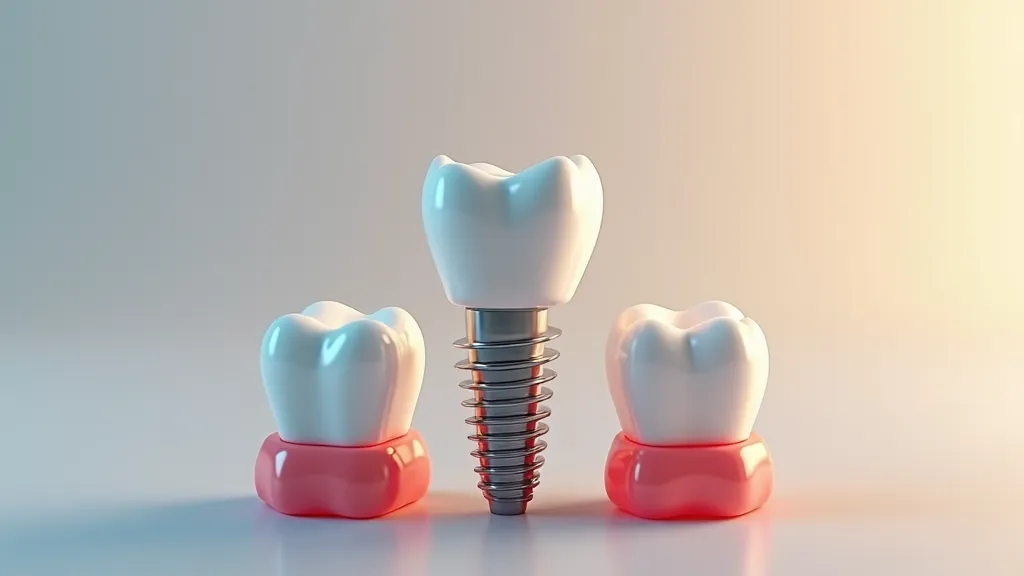
Affordable Full Mouth Dental Implants Near You
Discovering Springdale Estates

Illinois Dentatrust: Comprehensive Overview

Embark on Effortless Adventures: Unveiling the Top in Adventures Made Easy Outdoor Equipment

The Guide to Car Trading

Unveiling Ossur Valves: Innovation in Prosthetics
Unveiling Ossur Valves: Innovation in Prosthetics
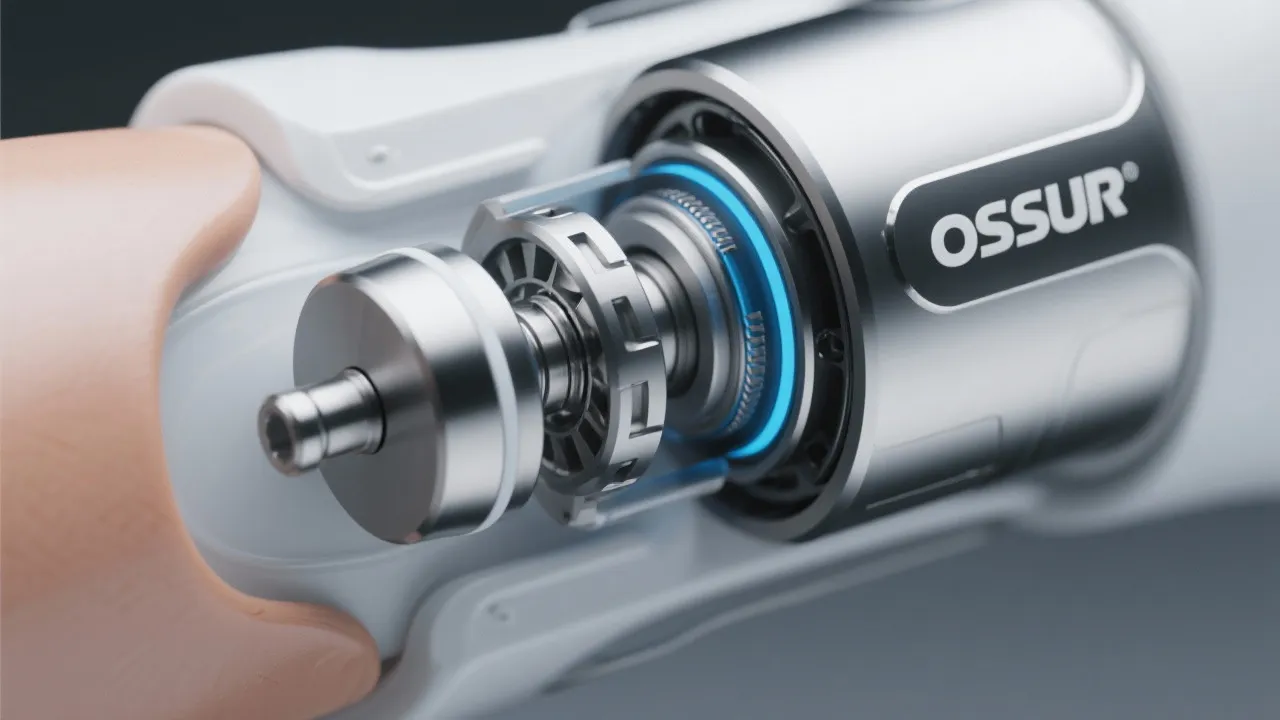
Ossur Valves represent a remarkable advancement in prosthetic technology, enhancing the comfort and functionality for users globally. These specialized valves are essential components in prosthetic limbs, facilitating pressure release and improving the overall fit, thereby contributing significantly to the quality of life and mobility for those who use them. In this article, discover the significance of Ossur Valves in optimizing prosthetic devices and explore their impact on the industry through detailed analysis and expert insights.

The Future with Ossur Valves
Ossur Valves are integral components in modern prosthetic devices, enhancing mobility and comfort for users worldwide. These engineering marvels offer profound advancements in prosthetic technology, allowing for dynamic movements and a more tailored experience for each individual. High-quality materials and cutting-edge design contribute to their prominent position in the industry.
Understanding Proportional Valves
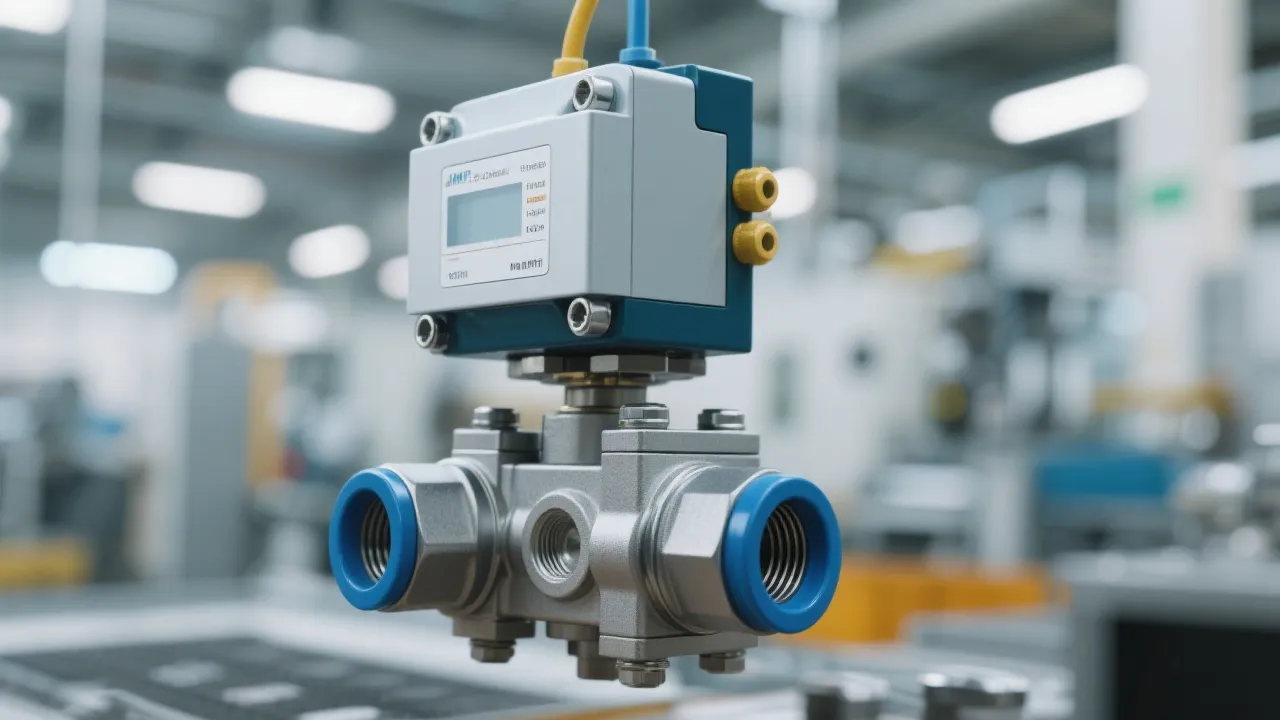
Proportional valves are hydraulic components vital for controlling fluid flow and pressure with high precision in various industrial applications. Their importance in automation and manufacturing settings stems from their ability to offer variable output in response to input signals, greatly enhancing system efficiency and performance.
Understanding Rexroth Valve Systems
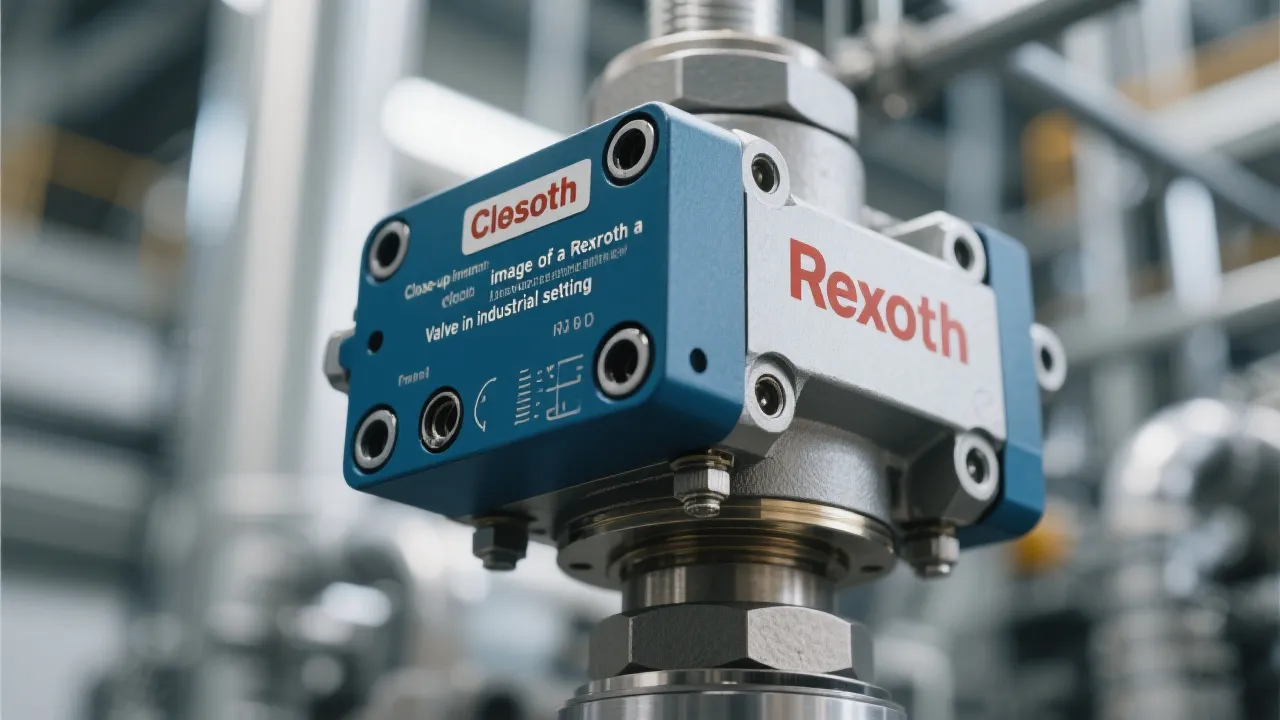
Rexroth Valves are quintessential components in various industrial applications, known for their precision and reliability. These hydraulic, pneumatic, and electrohydraulic valves regulate fluid flow in machinery, ensuring optimal performance and safety. Understanding their functionality and benefits is crucial for industries seeking efficiency and sustainability in their operations.
Unveiling Thermo Fisher Chromatography
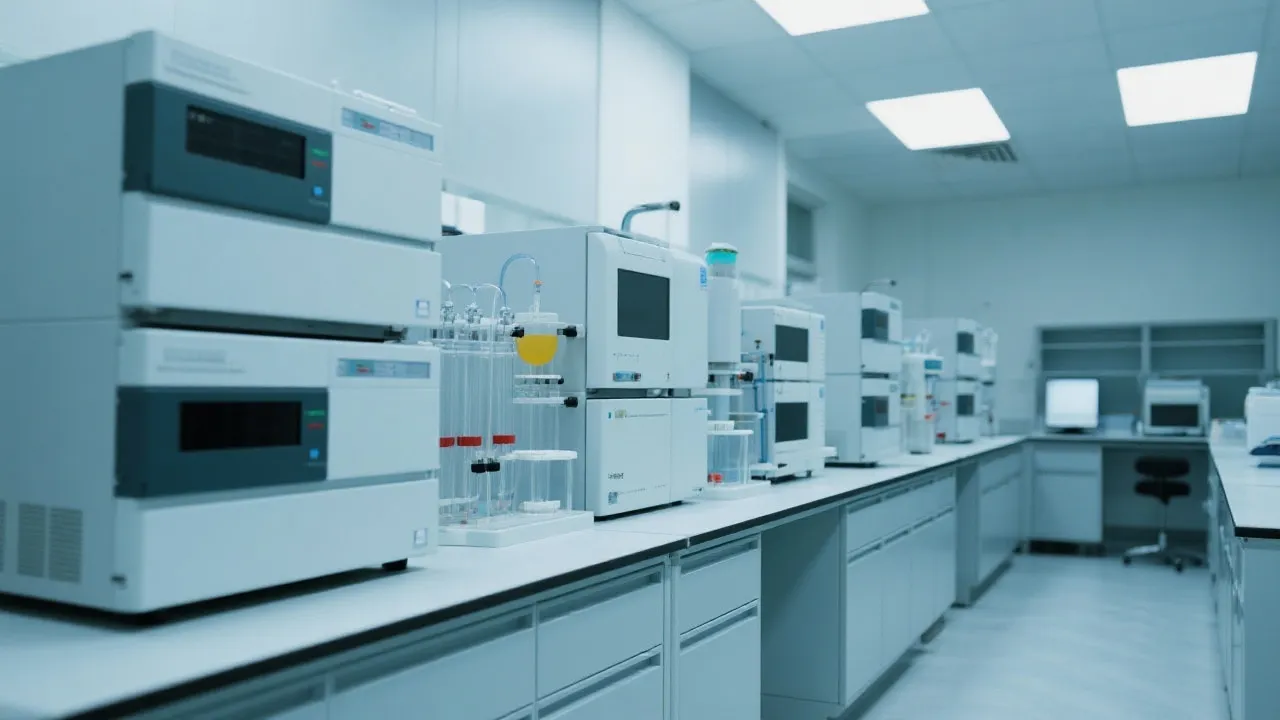
This article explores the pivotal role of Thermo Fisher Chromatography in modern analytical science. Chromatography is crucial for separating compounds within mixtures, making it indispensable in industries such as pharmaceuticals and environmental testing. Thermo Fisher Scientific stands out in this field for its innovative solutions, leading to improved accuracy and efficiency in research and development.

Understanding Corrosion Inhibitor Manufacturers
In today's industrial landscape, corrosion inhibitor manufacturers play a crucial role in safeguarding equipment and infrastructure against corrosive damage. These manufacturers provide specialized chemicals that prevent corrosion in various environments, including industries such as oil and gas, marine, and construction. Understanding their operations and offerings is essential for selecting the right supplier and maintaining asset longevity.
