Atex Enclosures are essential components in hazardous environments, providing protective housing for electrical equipment to prevent explosions. These enclosures play a crucial role in industries handling volatile substances, ensuring safety and compliance with European Union standards. Understanding their benefits, applications, and regulatory requirements is vital for industry professionals.
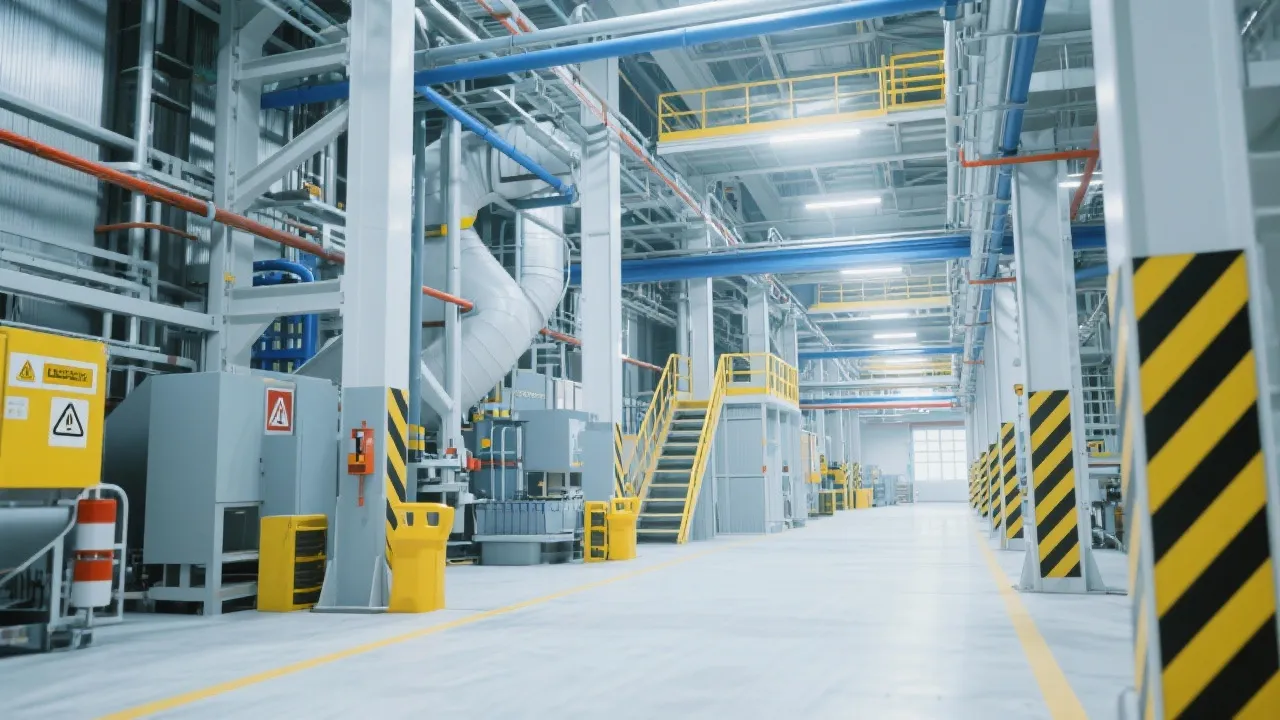
In industrial environments where volatile substances are present, ensuring safety becomes paramount. Atex Enclosures are specifically designed to protect electrical equipment from igniting explosive atmospheres. Originating from the ATEX directives of the European Union, these enclosures are engineered to withstand harsh conditions and maintain operational integrity without compromising on safety. The implementation of Atex Enclosures signifies a commitment to safeguarding both human life and industrial continuity, reinforcing the importance of preventive measures in hazardous locations.
Atex Enclosures are robust protective housings designed for use in environments where there is a risk of explosion due to flammable gases, vapors, mists, or dust. Derived from two European Directives, 99/92/EC and 94/9/EC, these enclosures ensure that both electrical and mechanical equipment do not contribute to a potentially explosive atmosphere. By conforming to these standards, businesses are able to ensure not only the safety of their operations but also compliance with EU laws. Their design often includes features such as flameproof structures, pressure differential design, and protective coatings, tailored to mitigate specific risks associated with explosive environments.
Manufactured from durable materials like stainless steel or aluminum, Atex Enclosures offer a myriad of benefits:
These enclosures find applications across industries where safety is critical due to the presence of potentially explosive materials. Common sectors include:
Selecting an appropriate Atex Enclosure involves understanding the specifics of your environment and equipment requirements. It is critical to consider factors such as the type of explosive atmosphere, temperature range, and the level of ingress protection needed. Each factor plays a vital role in ensuring that the enclosure not only fits but functions effectively in its intended application.
| Factor | Consideration |
|---|---|
| Environment | Assess the presence of gases or dust and the likelihood of explosive atmospheres. This includes analyzing historical data of incidents in similar environments. |
| Material | Choose based on corrosion resistance needs and strength requirements. Different materials offer different levels of protection against various hazards. |
| Temperature Class | Ensure compatibility with temperature ranges your equipment will operate in. Every enclosure is rated for specific maximum temperatures to avoid failures. |
| Ingress Protection (IP) Rating | Choose an enclosure based on the potential exposure to dust and water. IP ratings offer an indication of the enclosure’s tightness against foreign bodies and moisture. |
| Explosion Protection Concept | Select an enclosure that conforms to the appropriate protection concept, whether it's flameproof, intrinsic safety, or another method. |
What does ATEX stand for?
ATEX comes from the French term "Appareils destinés à être utilisés en ATmosphères EXplosives," which translates to equipment intended for use in explosive atmospheres. It represents a stringent standard for safety in industries susceptible to hazards.
Are Atex Enclosures mandatory?
In the European Union, complying with ATEX directives is a legal requirement for operating in potentially explosive environments. Non-compliance can lead to penalties, production stops, and severe safety risks.
Can Atex Enclosures be used outside the EU?
While they are designed to meet EU directives, their robust safety features make them suitable for global use, though local compliance requirements should be considered. Many international organizations adopt similar safety standards, facilitating the use of these enclosures in various jurisdictions.
How are Atex Enclosures tested for compliance?
Manufacturers must subject Atex Enclosures to rigorous testing protocols by authorized certifying bodies to ensure they meet the necessary standards specified by the ATEX directives. This includes checks for electrical safety, material integrity, and environmental impact.
What is the difference between ATEX Zones 0, 1, and 2?
ATEX Zones are classified based on the likelihood of explosive atmospheres. Zone 0 refers to areas where explosive atmospheres are present continuously, Zone 1 where it is likely to occur during normal operation, and Zone 2 where it is unlikely to occur during normal operation.
Understanding Atex Enclosures is crucial for industries dealing with hazardous environments. Not only do they provide a safe and compliant solution for housing electrical equipment, but they also bring peace of mind by ensuring operational safety and preventing catastrophic incidents. By considering factors such as environmental conditions and material selection, businesses can effectively integrate these enclosures into their safety management systems. Overall, Atex Enclosures represent a critical investment in safety, ensuring that operations can be conducted without the fear of explosion or fire that could jeopardize lives and livelihoods.
The development of Atex standards and enclosures has undergone significant transformations since their inception. Originally focused on principal safety measures, the current directives emphasize comprehensive risk assessment and management practices. The ATEX directives have evolved in response to advances in technology, enhanced understanding of explosive risks, and feedback from industries impacted by these regulations.
Initially formalized in the late 1990s, the ATEX directives aimed to harmonize safety measures across Europe. However, as industries expanded and new technologies emerged, the necessity for more rigorous and specific safety measures became apparent. Thus, periodic reviews and updates to the directives ensure that they remain relevant in addressing contemporary challenges in explosive safety.
As industries become more aware of the potential hazards associated with explosive atmospheres, the demand for more advanced and effective Atex Enclosures is expected to grow. There are multiple trends shaping the future of Atex Enclosures:
Examining specific case studies where Atex Enclosures have been implemented provides valuable insights into their effectiveness and application across various industries. Here are two notable examples:
A major chemical processing plant faced a significant risk of explosion due to the presence of volatile organic compounds (VOCs) in their production lines. The facility operated within a Zone 1 explosion risk category, meaning that explosive atmospheres could reasonably be expected during normal operations. To mitigate this risk, the management team decided to invest in Atex Enclosures for all electrical equipment located in proximity to the production lines.
The enclosures were specifically designed with high-quality, corrosion-resistant stainless steel, ensuring resilience against the harsh chemical environment. After their installation, the plant experienced a marked reduction in hazardous incidents, and regular safety audits confirmed compliance with ATEX standards. As a result, the facility not only improved safety for employees but also minimized downtime due to potential explosion-related incidents, significantly enhancing overall productivity.
An offshore oil drilling company was facing reliability issues with electrical control panels used in their drilling equipment. With the drilling operations taking place in a Zone 0 environment, the risk of igniting explosive gas was a significant concern. As part of a broader safety initiative, the company retrofitted all their critical control panels with Atex Enclosures designed to meet the highest explosion-proof standards.
This strategic move included a comprehensive training program for all operational staff on the importance of using Atex Enclosures and understanding their operational limits. The results were exceptional, with zero reported incidents related to electrical sparks or ignition sources in the year following the installation. Furthermore, equipment failures dropped by over 20%, leading to smoother operations and a substantial reduction in maintenance costs over time.
The regulatory landscape surrounding Atex Enclosures is complex and multifaceted. Businesses operating in explosive atmospheres must navigate a variety of local, national, and international regulations, and understanding these nuances is vital for compliance and operational success.
The European Union’s ATEX directives are the starting point for businesses within the EU. However, other regulations may apply depending on the location and nature of the operation. For companies exporting equipment to the United States, they must also consider the National Fire Protection Association (NFPA) regulations and the American National Standards Institute (ANSI) standards. Each country may have its specific testing and certification requirements, which adds to the complexity of compliance.
Additionally, international standards developed by organizations like the International Organization for Standardization (ISO) also influence the design and application of Atex Enclosures globally. Hence, businesses must not only focus on local regulations but also stay updated with international developments to successfully navigate the regulatory landscape surrounding explosive safety in hazardous locations.
For businesses that deal with hazardous environments, integrating Atex Enclosures into the broader safety management system is crucial for ensuring compliance and enhancing operational safety. A well-designed safety management system will account for the various risks present in the working environment, including the impact of the explosive atmosphere on equipment and personnel.
This integration involves conducting thorough risk assessments that identify potential hazards and outline necessary safety measures. The selection and installation of Atex Enclosures are critical components of this process—they should not be seen as standalone solutions, but rather as part of a comprehensive approach to safety management. Regular training programs must also be established to teach employees about the importance of these enclosures, safe operational practices, and emergency protocols.
Regular audits and inspections should be part of the safety management system to ensure that Atex Enclosures remain compliant with relevant directives and effectively protect against explosive atmospheres. Furthermore, continuous improvement processes should be implemented based on feedback from audits and incident reports, allowing organizations to adapt and enhance their safety management practices as necessary.
In conclusion, understanding Atex Enclosures is crucial for industries dealing with hazardous environments. Not only do they provide a safe and compliant solution for housing electrical equipment, but they also bring peace of mind by ensuring operational safety and preventing catastrophic incidents. The evolution, applications, compliance factors, and future trends associated with Atex Enclosures underscore their importance in safeguarding both personnel and infrastructure amidst explosive risks. By considering all relevant factors such as environmental conditions, material selection, and integration into safety systems, businesses can effectively manage risks and enhance safety protocols. Engaging in ongoing education and adapting to developments within the regulatory landscape will further ensure a proactive approach towards maintaining safety in explosive atmospheres.
Explore the Tranquil Bliss of Idyllic Rural Retreats

Ultimate Countdown: The 20 Very Legendary Gaming Consoles Ever!

Understanding Halpin and its Influence

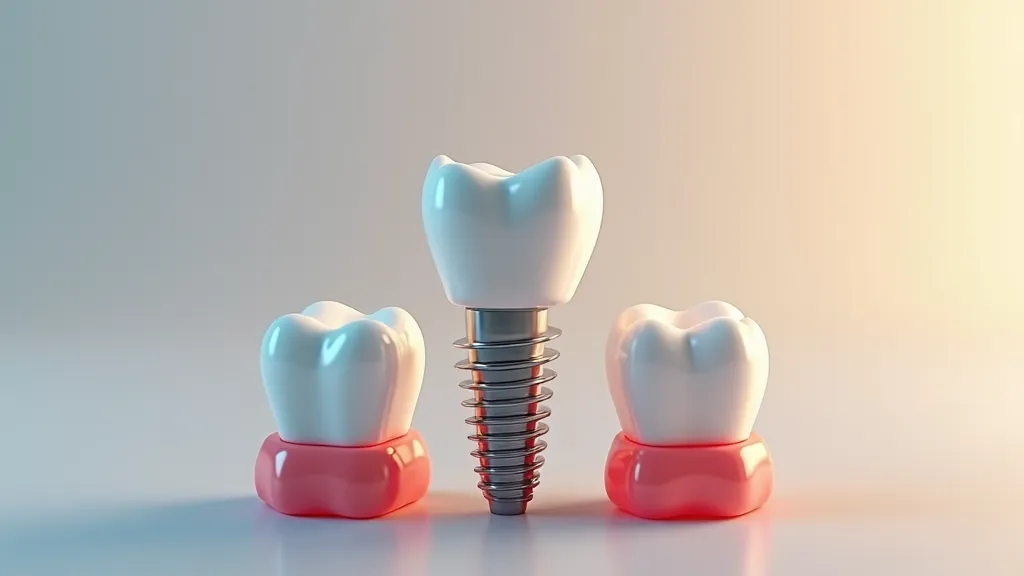
Affordable Full Mouth Dental Implants Near You
Discovering Springdale Estates

Illinois Dentatrust: Comprehensive Overview

Embark on Effortless Adventures: Unveiling the Top in Adventures Made Easy Outdoor Equipment

The Guide to Car Trading

Unveiling Ossur Valves: Innovation in Prosthetics
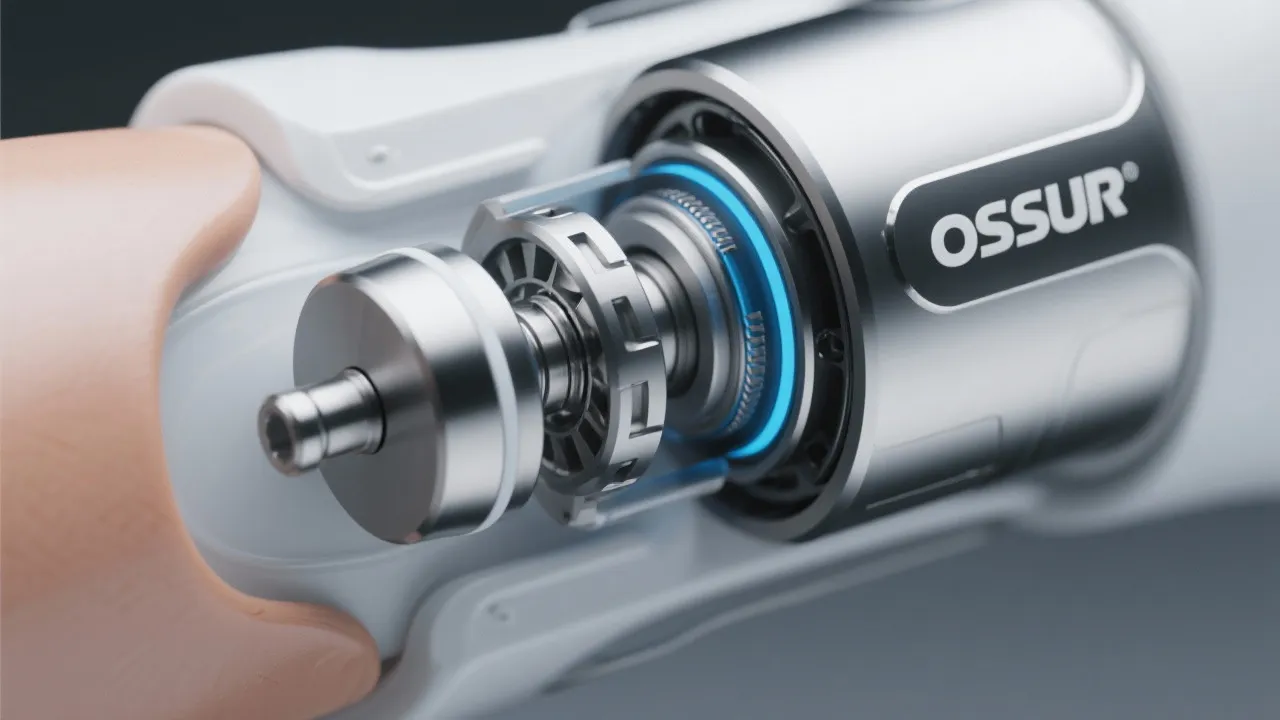
Unveiling Ossur Valves: Innovation in Prosthetics
Ossur Valves represent a remarkable advancement in prosthetic technology, enhancing the comfort and functionality for users globally. These specialized valves are essential components in prosthetic limbs, facilitating pressure release and improving the overall fit, thereby contributing significantly to the quality of life and mobility for those who use them. In this article, discover the significance of Ossur Valves in optimizing prosthetic devices and explore their impact on the industry through detailed analysis and expert insights.

The Future with Ossur Valves
Ossur Valves are integral components in modern prosthetic devices, enhancing mobility and comfort for users worldwide. These engineering marvels offer profound advancements in prosthetic technology, allowing for dynamic movements and a more tailored experience for each individual. High-quality materials and cutting-edge design contribute to their prominent position in the industry.
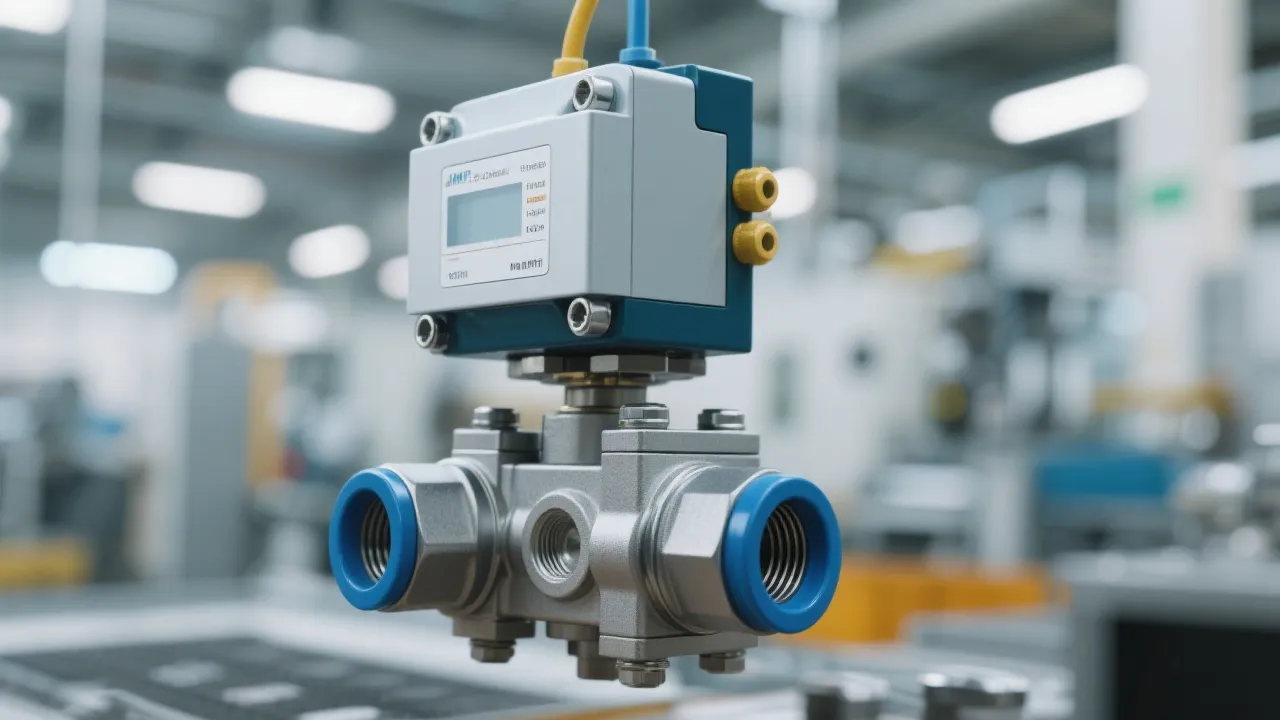
Understanding Proportional Valves
Proportional valves are hydraulic components vital for controlling fluid flow and pressure with high precision in various industrial applications. Their importance in automation and manufacturing settings stems from their ability to offer variable output in response to input signals, greatly enhancing system efficiency and performance.
Understanding Rexroth Valve Systems
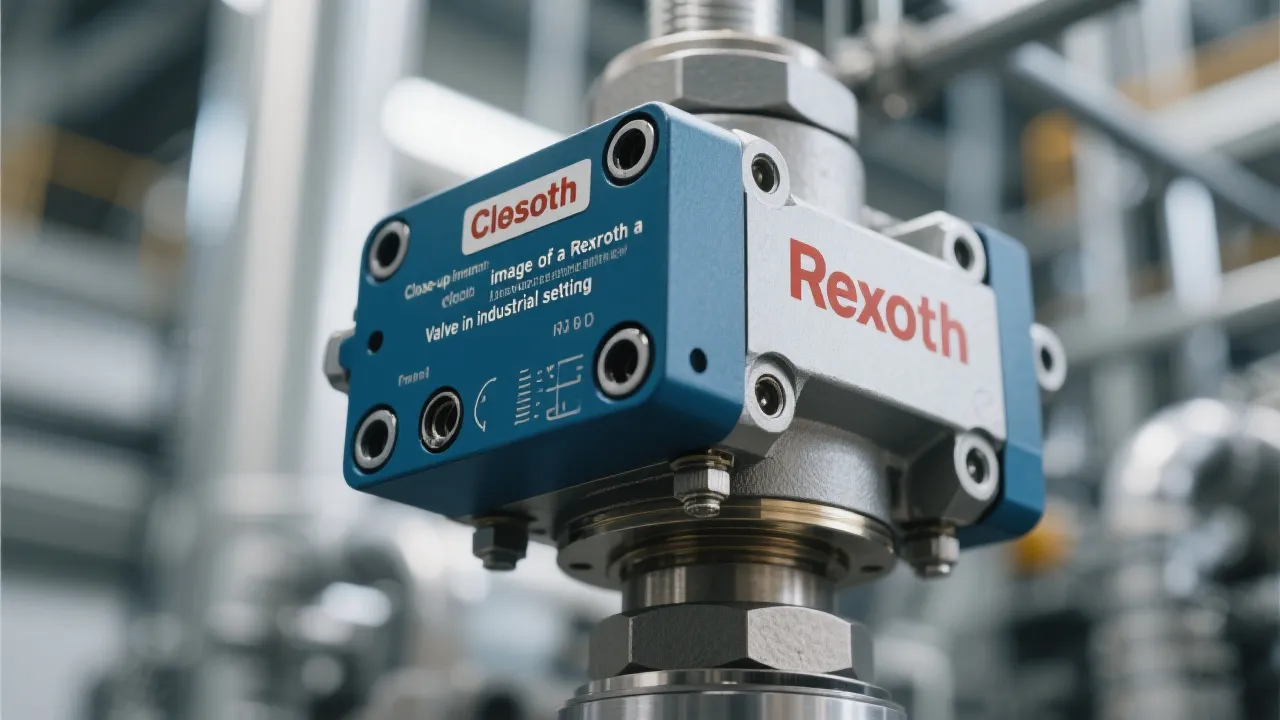
Rexroth Valves are quintessential components in various industrial applications, known for their precision and reliability. These hydraulic, pneumatic, and electrohydraulic valves regulate fluid flow in machinery, ensuring optimal performance and safety. Understanding their functionality and benefits is crucial for industries seeking efficiency and sustainability in their operations.
Unveiling Thermo Fisher Chromatography
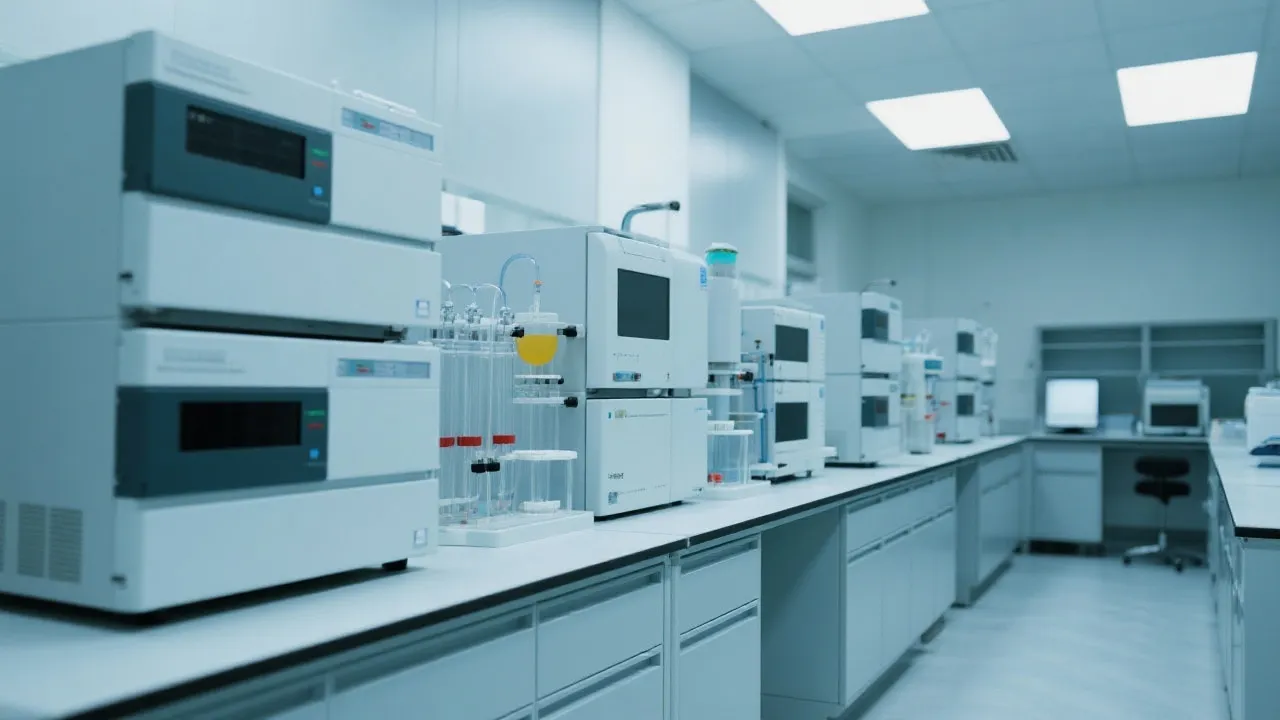
This article explores the pivotal role of Thermo Fisher Chromatography in modern analytical science. Chromatography is crucial for separating compounds within mixtures, making it indispensable in industries such as pharmaceuticals and environmental testing. Thermo Fisher Scientific stands out in this field for its innovative solutions, leading to improved accuracy and efficiency in research and development.

Understanding Corrosion Inhibitor Manufacturers
In today's industrial landscape, corrosion inhibitor manufacturers play a crucial role in safeguarding equipment and infrastructure against corrosive damage. These manufacturers provide specialized chemicals that prevent corrosion in various environments, including industries such as oil and gas, marine, and construction. Understanding their operations and offerings is essential for selecting the right supplier and maintaining asset longevity.
