Atex Enclosures are vital components in industries where explosive atmospheres are a risk. These enclosures ensure safety and compliance with European Union directives, specifically designed to contain electrical equipment and prevent ignition in hazardous environments. Understanding their applications, manufacturing standards, and benefits is crucial for industries such as petrochemicals, manufacturing, and pharmaceuticals.
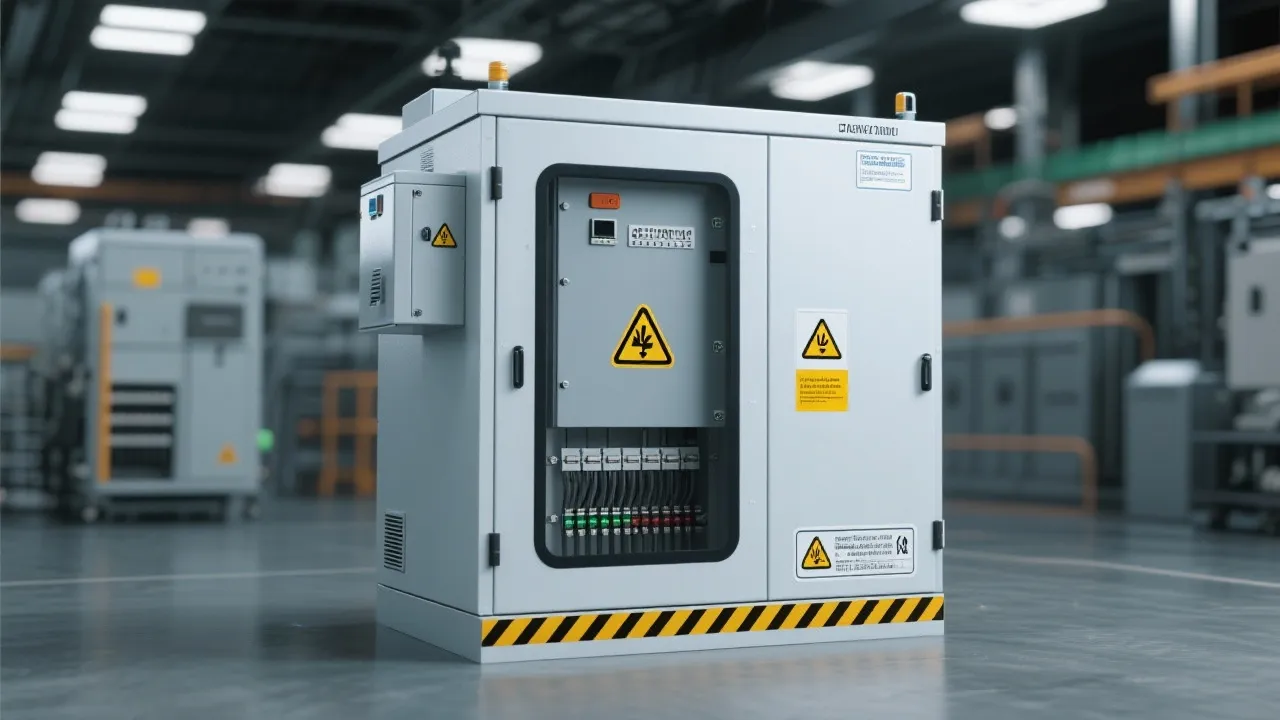
Atex Enclosures are integral in ensuring safety within environments that are susceptible to explosive atmospheres. These specialized enclosures adhere to the ATEX directives established by the European Union, which sets the essential safety requirements and conformity assessments for equipment used in explosive atmospheres. The name 'Atex' is derived from the French term "Appareils destinés à être utilisés en ATmosphères EXplosibles," meaning equipment for explosive atmospheres. These directives highlight the importance of risk management in such settings, emphasizing that safety is not merely about compliance but a fundamental aspect of operational integrity.
Compliance with ATEX directives is not just a regulatory burden but a crucial measure to ensure the safety of employees and the environment. Atex Enclosures are particularly vital in industries such as oil and gas, petrochemicals, pharmaceuticals, and manufacturing, where the presence of flammable gases, vapors, or dust can lead to catastrophic incidents if not properly managed. These enclosures are designed to contain any explosions that may occur and prevent the ignition of explosive atmospheres.
Moreover, non-compliance can result in severe penalties, including fines, shutdowns, and, most detrimentally, loss of life. The financial implications of workplace accidents can also be significant, leading to substantial losses in productivity, insurance claims, and legal fees. Consequently, investing in Atex compliant solutions not only protects human life and health but also safeguards corporate assets and reputations.
Understanding the features of Atex Enclosures is essential for selecting the right solution for your needs. These enclosures are typically made from robust materials such as stainless steel or aluminum, providing excellent resistance to corrosion, high temperatures, and mechanical impact. The design of Atex enclosures focuses not only on safety but also on functionality, durability, and versatility. Here are some key features that can help you make informed decisions:
Atex Enclosures are ubiquitous across several sectors due to their safety benefits and reliability. Here are some key industries where they play a crucial role:
| Feature | Stainless Steel | Aluminum |
|---|---|---|
| Corrosion Resistance | High | Moderate |
| Weight | Heavy | Light |
| Thermal Conductivity | Low | High |
| Cost | Higher | Lower |
| Application Suitability | More suited for harsh environments | Ideal where low weight is beneficial |
| Machinability | Moderate | High |
| Longevity | Very high; resistant to wear and tear | Good; may corrode in extreme conditions |
When selecting between stainless steel and aluminum Atex Enclosures, consider the specific environmental conditions of your application. The choice can affect not only safety but also maintenance costs and the lifespan of the enclosure. The adaptability of both materials can cater to different operational requirements, making informed selection processes paramount for safety and reliability.
An Atex Enclosure is a protective casing designed to prevent ignition in explosive atmospheres by containing electrical equipment and potential explosions within the enclosure. They provide a sealed environment that mitigates the risk of flammable substances leaving the enclosure.
ATEX certification ensures that the equipment meets rigorous safety standards set by the EU, providing reassurance that the equipment is safe for use in hazardous locations. This certification process involves testing for maximum performance under extreme conditions, thereby confirming the enclosure can handle the environments they are deployed in.
These enclosures undergo stringent testing to ensure they can withstand specific environmental conditions and pressures without compromising their integrity and functionality. Testing processes may include flame-proof tests, pressure and vacuum tests, and exposure to extreme heat and cold, ensuring that they meet the established ATEX directive requirements.
Yes, many manufacturers offer customization options to tailor materials, sizes, and features to meet specific industry needs and safety requirements. This customization extends to allowing for different cable entries, mounts, and additional features such as temperature monitoring systems that can be integrated to enhance functionality.
ATEX zone classifications specify areas based on the likelihood of explosive atmospheres occurring. Zone 0 represents areas where explosive atmospheres are continuously present, Zone 1 where they are likely to occur in normal operating conditions, and Zone 2 where they are not likely to occur. These classifications guide the design and construction of Atex Enclosures ensuring compliance with safety standards relevant to each zone.
Selecting the appropriate Atex enclosure involves assessing the specific environmental conditions, the type of materials handled, and the potential hazards present. Consulting with industry experts and conducting thorough risk assessments is essential for making informed decisions that enhance safety.
The implementation of Atex Enclosures is not just about adhering to regulatory standards but ensuring utmost safety in potentially hazardous working environments. They represent a convergence of safety technology and engineering principles that protect against risks while permitting operational efficiency.
By understanding the key features of Atex Enclosures, the applications across different industries, and the importance of compliance with ATEX directives, organizations can significantly mitigate risks and foster a safer workplace. Investing in Atex compliant enclosures not only reflects a commitment to employee safety and well-being but also positively impacts productivity and operational efficiency.
In a landscape where safety regulations continue to evolve, it is vital to consult with industry experts and manufacturers to tailor these solutions to meet the practical requirements of your sector. Continuous training and up-to-date knowledge of industry best practices will help in making exemplary choices proactively, ensuring that safety remains at the forefront of operational agendas.
Explore the Tranquil Bliss of Idyllic Rural Retreats

Ultimate Countdown: The 20 Very Legendary Gaming Consoles Ever!

Understanding Halpin and its Influence

Affordable Full Mouth Dental Implants Near You
Discovering Springdale Estates

Illinois Dentatrust: Comprehensive Overview

Embark on Effortless Adventures: Unveiling the Top in Adventures Made Easy Outdoor Equipment

The Guide to Car Trading

Unveiling Ossur Valves: Innovation in Prosthetics
Unveiling Ossur Valves: Innovation in Prosthetics
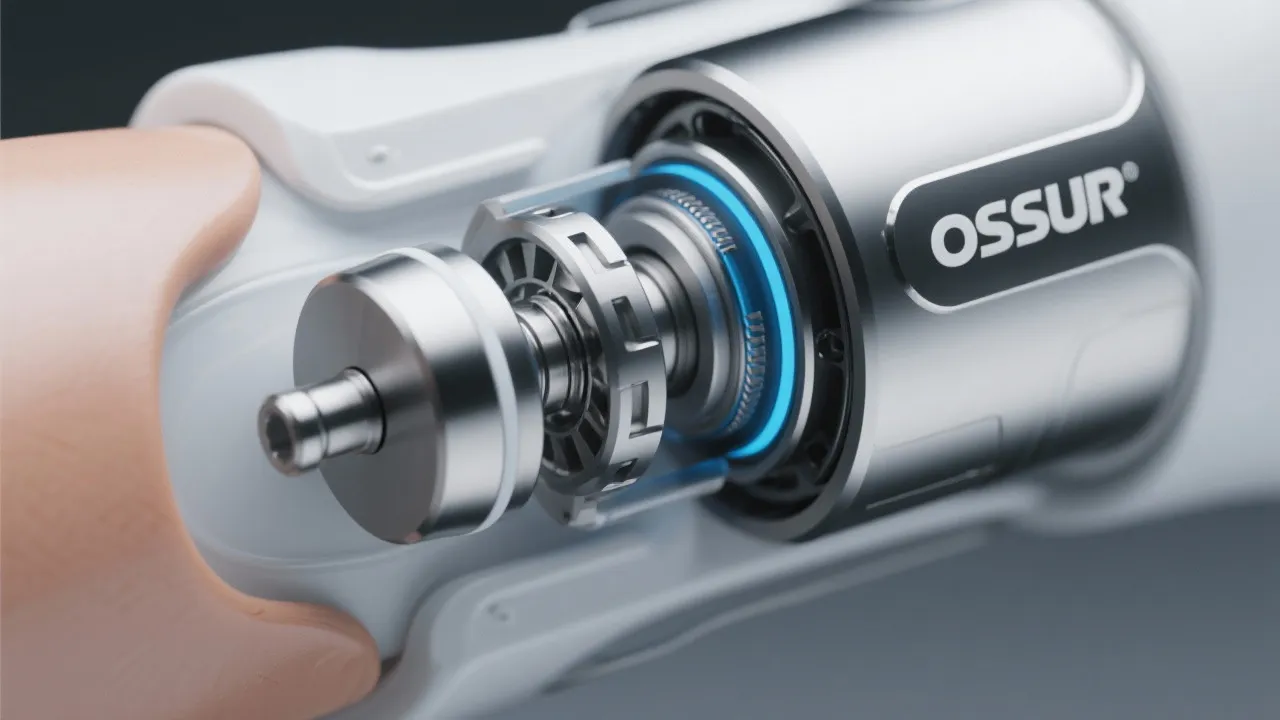
Ossur Valves represent a remarkable advancement in prosthetic technology, enhancing the comfort and functionality for users globally. These specialized valves are essential components in prosthetic limbs, facilitating pressure release and improving the overall fit, thereby contributing significantly to the quality of life and mobility for those who use them. In this article, discover the significance of Ossur Valves in optimizing prosthetic devices and explore their impact on the industry through detailed analysis and expert insights.

The Future with Ossur Valves
Ossur Valves are integral components in modern prosthetic devices, enhancing mobility and comfort for users worldwide. These engineering marvels offer profound advancements in prosthetic technology, allowing for dynamic movements and a more tailored experience for each individual. High-quality materials and cutting-edge design contribute to their prominent position in the industry.
Understanding Proportional Valves
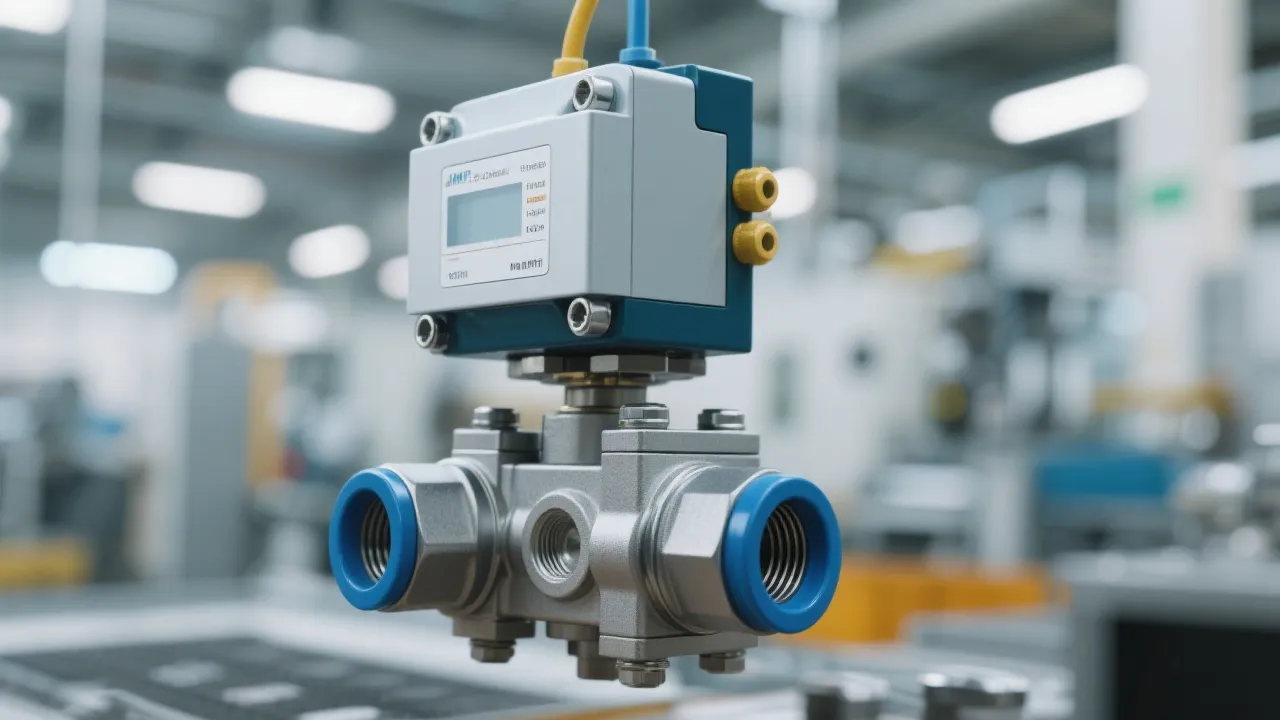
Proportional valves are hydraulic components vital for controlling fluid flow and pressure with high precision in various industrial applications. Their importance in automation and manufacturing settings stems from their ability to offer variable output in response to input signals, greatly enhancing system efficiency and performance.
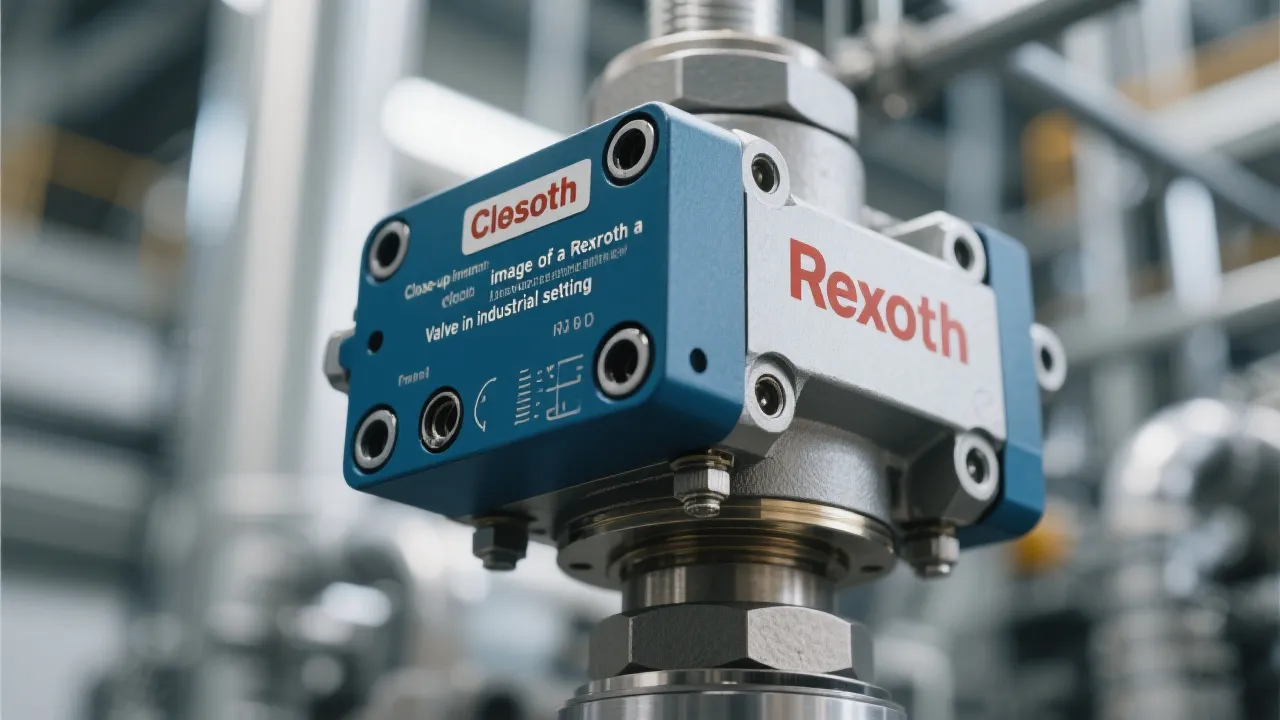
Understanding Rexroth Valve Systems
Rexroth Valves are quintessential components in various industrial applications, known for their precision and reliability. These hydraulic, pneumatic, and electrohydraulic valves regulate fluid flow in machinery, ensuring optimal performance and safety. Understanding their functionality and benefits is crucial for industries seeking efficiency and sustainability in their operations.
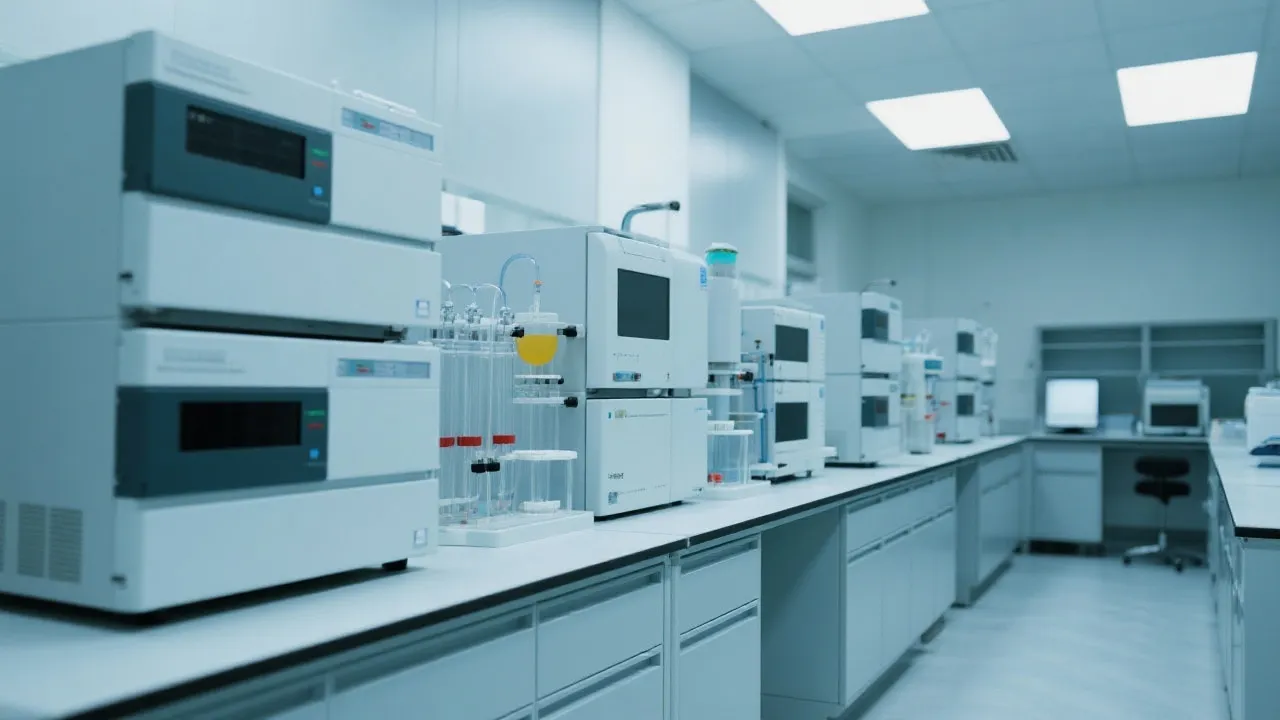
Unveiling Thermo Fisher Chromatography
This article explores the pivotal role of Thermo Fisher Chromatography in modern analytical science. Chromatography is crucial for separating compounds within mixtures, making it indispensable in industries such as pharmaceuticals and environmental testing. Thermo Fisher Scientific stands out in this field for its innovative solutions, leading to improved accuracy and efficiency in research and development.

Understanding Corrosion Inhibitor Manufacturers
In today's industrial landscape, corrosion inhibitor manufacturers play a crucial role in safeguarding equipment and infrastructure against corrosive damage. These manufacturers provide specialized chemicals that prevent corrosion in various environments, including industries such as oil and gas, marine, and construction. Understanding their operations and offerings is essential for selecting the right supplier and maintaining asset longevity.
