The role of an Atex Enclosure is pivotal in hazardous environments, providing essential protection against potential explosive risks. This article delves into the intricacies of Atex Enclosures, necessary in industries where safety and compliance are critical. We examine their construction, applications, and regulatory standards while providing insights into industry top practices for ensuring operational safety.
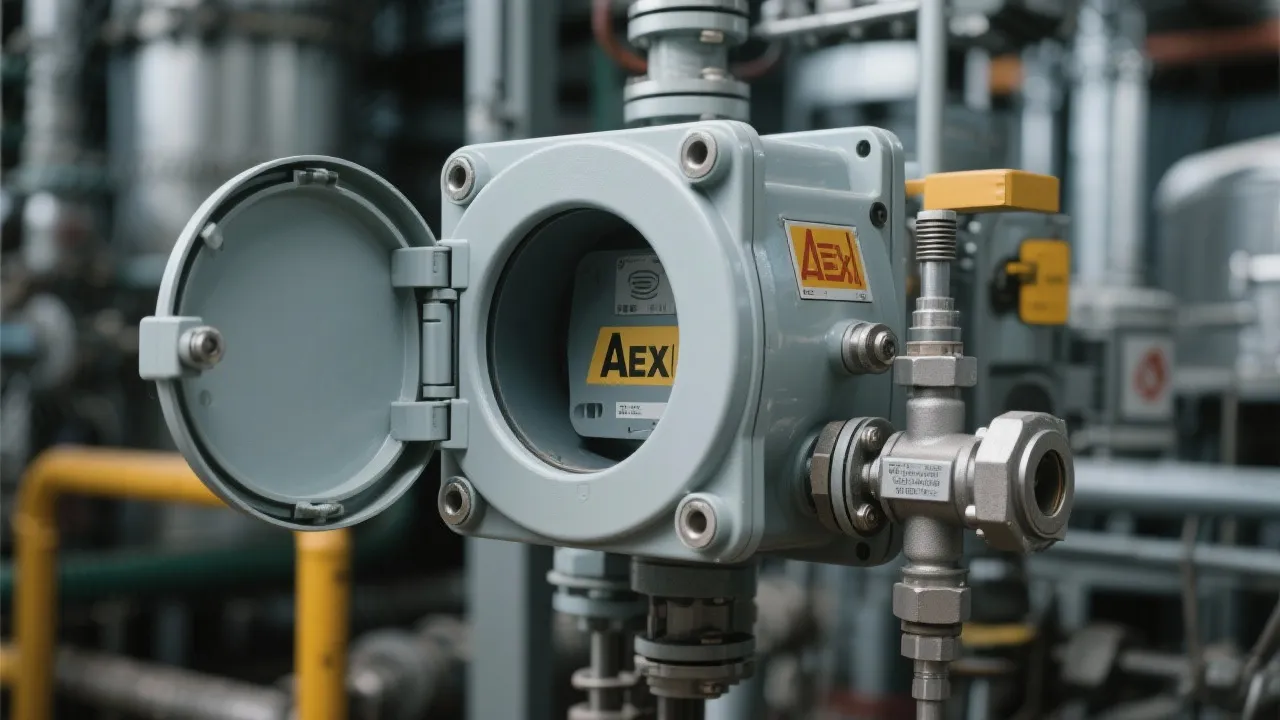
In industries handling explosive atmospheres, compliance with safety standards is non-negotiable. A critical component of this safety framework is the use of an Atex Enclosure. These protective boxes are designed to prevent electrical sparks from interacting with flammable substances, significantly reducing explosion risks. The importance of these enclosures is underscored by their required compliance with the Atex directive, a key regulatory standard in the EU focused on equipment used in potentially explosive environments.
An Atex Enclosure serves as a protective casing for electrical or mechanical equipment located in hazardous areas. Their primary function is to isolate and shield potentially dangerous components from ignitable gases, vapors, or dusts. This is vital in settings such as oil refineries, chemical plants, and grain processing facilities, where even a minute malfunction could lead to catastrophic consequences. With an emphasis on safety, these enclosures also reflect a commitment to operational integrity, ensuring that companies can maintain productivity without jeopardizing employee safety or environmental health.
Atex Enclosures are engineered to withstand harsh conditions. They are often made from robust materials such as stainless steel or reinforced aluminum to offer durability and protection against corrosion or external impacts. The selection of these materials is crucial because not only do they provide structural integrity, but they also withstand the wear and tear from exposure to various environmental elements common in industrial settings. Furthermore, these enclosures comply with specific Ingress Protection (IP) ratings that define their sealing effectiveness against environmental factors such as dust and water.
The design of Atex Enclosures also accounts for features like thermal management, allowing heat to dissipate effectively to avoid overheating and potential ignition sources. Features such as ventilation can be integrated to enhance air circulation without compromising the enclosure's integrity against hazardous elements. Additionally, color coding and labeling can be applied to ensure that personnel can quickly identify the type and purpose of the enclosure, further enhancing workplace safety. Each element of design and construction plays a vital role in both compliance and the safeguarding of employees and assets.
The Atex directive categorizes hazardous environments into zones based on the frequency and duration of explosive atmospheres. The equipment within an Atex Enclosure must meet stringent standards and be certified to withstand the designated zone's potential risks. Compliance is crucial not only for legal and insurance obligations but also for the safety and operational continuity of industrial processes. Moreover, the Atex directive establishes a framework that ensures manufacturers and employers are held accountable for the safety of their operational environments.
| Zone | Description | Requirements |
|---|---|---|
| Zone 0 | Areas where explosive atmospheres are present continuously or for long periods. | Use of fully certified equipment, robust construction |
| Zone 1 | Areas where explosive atmospheres are likely to occur in normal operation. | Highly reliable enclosures, standard protective measures |
| Zone 2 | Areas where explosive atmospheres are not likely to occur but, if they do, will persist for a short period. | Basic reflecting designs, adherence to protective practices |
Compliance involves extensive documentation and testing procedures to demonstrate that enclosures will function as intended under the unique conditions of each zone. Regular audits and inspections conducted by certified professionals are a mandatory aspect of maintaining compliance, assisting companies in identifying areas needing improvement or upgrades. Understanding these standards can help organizations avoid not only legal ramifications but also prevent accidents that may cause irreversible harm.
Atex Enclosures find applications in diverse sectors, including petrochemical, pharmaceuticals, and food processing industries. Each industry has unique requirements that shape how Atex Enclosures are utilized. For instance, in the petrochemical industry, enclosures may house critical instrumentation used for monitoring and control, while in a food processing environment, they could protect equipment sensitive to contamination.
Selecting the right enclosure requires an understanding of the specific environment it will operate in, the equipment it will house, and the type of hazardous elements present. The selection process often necessitates collaboration between engineers, safety personnel, and manufacturers to ensure that specific operational challenges are met efficiently. Furthermore, comprehensive risk assessments play a fundamental role in determining the most suitable type of Atex Enclosure, coupled with the appropriate certifications needed for the expected hazards.
Top practices involve regular inspections, maintenance, and adherence to upgrades suggested by industry standards. Scheduled maintenance routines are paramount for ensuring that all components of an Atex Enclosure are functioning optimally and free of damage. Documentation of inspections and maintenance practices also provides traceability and accountability within organizations while ensuring adherence to industry regulations. Moreover, continual training and education for staff working in hazardous areas are instrumental in maintaining safety standards and awareness. The implementation of safety protocols and emergency response procedures is crucial for all personnel, further minimizing risk.
The successful implementation of Atex Enclosures necessitates adherence to several best practices that encapsulate design considerations, training, and regular safety checks.
A detailed risk assessment should be conducted prior to the procurement and installation of Atex Enclosures. This process identifies potential sources of ignition, the type of hazardous materials in the environment, and the anticipated frequency and repairability of equipment. Such assessments can also help anticipate future operational needs, ensuring that enclosures selected today can accommodate technological advancements or changes in workflows.
Choosing the right materials for an Atex Enclosure is critical based on the environment in which it will be based. For instance, enclosures exposed to corrosive substances may necessitate additional chemical-resistant coatings to enhance lifespan. In areas vulnerable to mechanical impacts, the structural composition must be robust enough to withstand such challenges without compromising safety. Therefore, engaging with suppliers that understand the nuances of material selections for Atex Enclosures can yield better results over time.
Installation should always be carried out by qualified personnel familiar with Atex standards. Proper installation not only ensures compliance but also the reliability of the enclosure in protecting critical equipment. Any mistakes made during the installation process can have severe repercussions, including higher risks of ignition sources or even potential explosions. Therefore, extensive training and accreditation for personnel involved in current and future installations are essential.
Implementing regular training sessions for all employees is essential to build awareness regarding the presence of hazardous atmospheres and the importance of Atex Enclosures. Drills simulating emergency scenarios can also enhance preparedness, ensuring that staff know how to respond effectively in the case of an incident. This fosters a culture of safety and vigilance within the organization.
Periodic monitoring and maintenance checks are essential to ensure Atex Enclosures maintain their integrity over time. This includes regular inspections for any signs of wear, corrosion, or other damage that could compromise the enclosure's protective capabilities. Additionally, tracking and documenting maintenance activities helps identify patterns and establish criteria for timely upgrades or replacements, ensuring ongoing compliance and safety.
The development of Atex Enclosures has evolved with advances in technology, prompting innovations that enhance safety and efficiency in explosive environments. The integration of smart technology and sensors into Atex Enclosures is gaining traction, allowing for real-time monitoring of environmental conditions, enabling predictive maintenance, and reducing downtime. For instance, IoT-enabled devices can track parameters such as temperature, humidity, and airflow within the enclosure, providing alerts if conditions approach hazardous thresholds.
Moreover, advancements in materials science have led to the creation of lightweight yet durable enclosures that not only meet Atex standards but also facilitate easier installation and maintenance. Laser welding technologies are also being employed, offering increased precision and cleaner seams that reinforce enclosure integrity. Furthermore, the reduction in costs associated with innovative manufacturing processes has made Atex Enclosures more accessible to a wider range of industries.
CDA (Controlled Descent Assembly) and UPS (Uninterruptible Power Supply) technologies are being incorporated into Atex Enclosures to provide fail-safes during power outages or equipment malfunctions. These innovations ensure consistent operation of safety-critical systems, minimizing risks during potential failures. Enhanced design strategies leveraging CFD (Computational Fluid Dynamics) have also played a role in optimizing thermal management, assisting in preventing the buildup of excessive heat which could ignite explosive atmospheres.
One of the most illustrative examples of the importance of Atex Enclosures can be drawn from the petrochemical sector. In a refinery, an incident involving an unprotected electrical panel led to a devastating explosion, resulting in significant injuries and damage to property. Following the event, a comprehensive review of safety protocols revealed that the absence of Atex Enclosures contributed to the ignition sources in close proximity to flammable vapor emissions. Consequently, the organization invested in Atex-compliant enclosures for all electrical installations in hazardous areas. They then observed a remarkable reduction in incidents involving ignition sources, a testament to the efficacy of Atex technology in enhancing industrial safety.
In a pharmaceutical facility, an innovative approach was taken with Atex Enclosures that integrated advanced monitoring technologies. Real-time environmental monitoring systems were deployed within the enclosures to detect changes that could signal increased risks. This not only enabled the facility to take proactive measures during operational anomalies but also significantly minimized downtime through predictive maintenance strategies. Enhancements in operational efficiency were noted after the implementation of these practices, illustrating how Atex Enclosures can contribute to process improvement in addition to safety.
Another significant case occurred within the grain processing industry, where ignition risks from dust accumulation posed serious threats. The introduction of dust-tight Atex Enclosures equipped with cleaning systems allowed for effective dust removal and minimized the risk of combustion. The reinvestment of capital into updating older systems led to substantial long-term savings through reduced accidents and regulatory fines, highlighting the critical role of Atex Enclosures in risk mitigation.
'Atex' is derived from the French term 'Atmosphères Explosibles', referring to explosive atmospheres.
While the Atex directive is EU-specific, many non-EU countries adopt similar standards for safety in explosive environments, often referring to these frameworks by different names but with similar structural principles.
Yes, depending on the manufacturer's offerings, Atex Enclosures can be customized to meet specific operational needs and environmental challenges, such as utilizing specific materials for corrosive environments or integrating additional safety features.
The lifespan varies based on environmental conditions and the material used, but with proper maintenance, it can last several years. Factors such as regular inspections and timely repairs significantly influence the operational lifespan of these critical systems.
The frequency of inspections can vary based on regulations and environmental conditions; however, regular inspections every six months to a year are common in many industries to ensure ongoing compliance and safety.
Factors include the specific explosive atmosphere classification, environmental conditions, equipment type, and specific regulatory requirements in the industry recognizing the safety implications associated with various zone specifications.
Understanding and implementing Atex Enclosure standards is vital for maintaining safety and operational efficiency in hazardous environments. These enclosures not only prevent potential disasters but also ensure compliance with regulatory mandates, thereby safeguarding human life and protecting valuable industrial assets. The progression of technology and the continuous evaluation of industry practices signal a commitment to safety and innovation in this critical area. As industries evolve and face new challenges, Atex Enclosures will remain integral to managing the risks associated with explosive atmospheres, supporting sustainable practices and enhancing operational trustworthiness. The importance of Atex Enclosures is unequivocal and will continue to shape the landscape of industrial safety for years to come.
Explore the Tranquil Bliss of Idyllic Rural Retreats

Ultimate Countdown: The 20 Very Legendary Gaming Consoles Ever!

Understanding Halpin and its Influence

Affordable Full Mouth Dental Implants Near You
Discovering Springdale Estates

Illinois Dentatrust: Comprehensive Overview

Embark on Effortless Adventures: Unveiling the Top in Adventures Made Easy Outdoor Equipment

The Guide to Car Trading

Unveiling Ossur Valves: Innovation in Prosthetics
Unveiling Ossur Valves: Innovation in Prosthetics
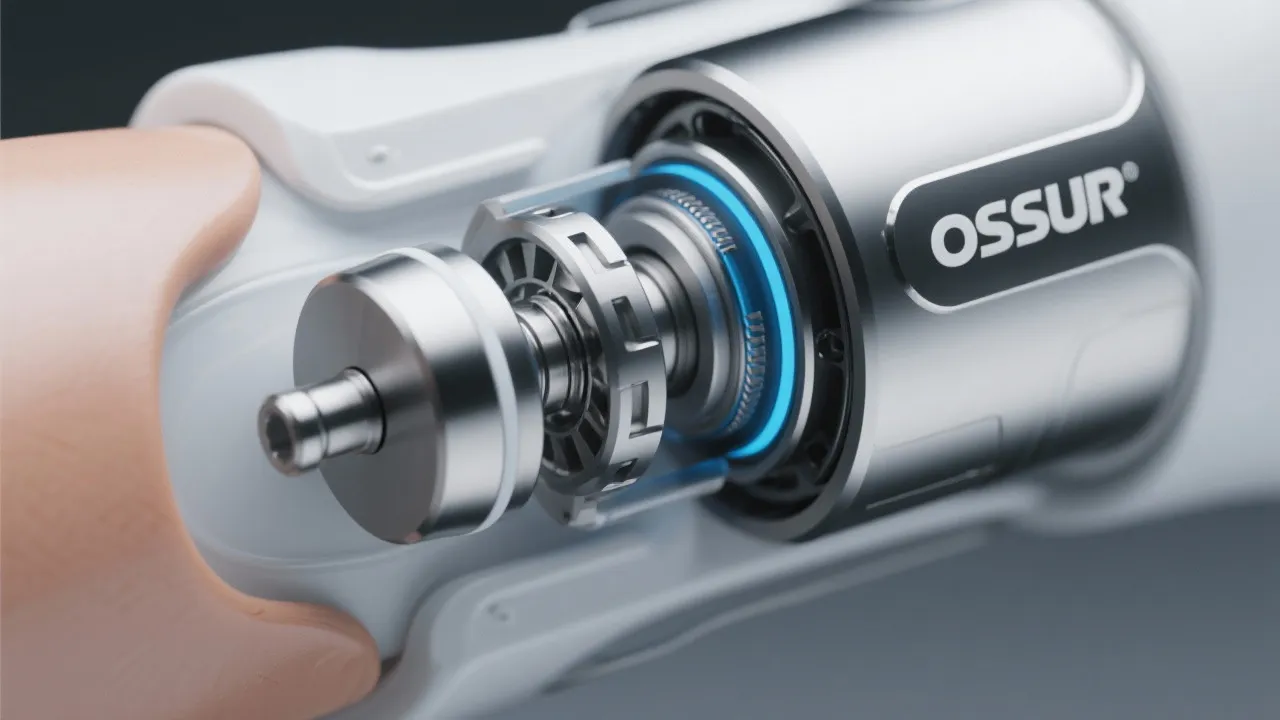
Ossur Valves represent a remarkable advancement in prosthetic technology, enhancing the comfort and functionality for users globally. These specialized valves are essential components in prosthetic limbs, facilitating pressure release and improving the overall fit, thereby contributing significantly to the quality of life and mobility for those who use them. In this article, discover the significance of Ossur Valves in optimizing prosthetic devices and explore their impact on the industry through detailed analysis and expert insights.

The Future with Ossur Valves
Ossur Valves are integral components in modern prosthetic devices, enhancing mobility and comfort for users worldwide. These engineering marvels offer profound advancements in prosthetic technology, allowing for dynamic movements and a more tailored experience for each individual. High-quality materials and cutting-edge design contribute to their prominent position in the industry.
Understanding Proportional Valves
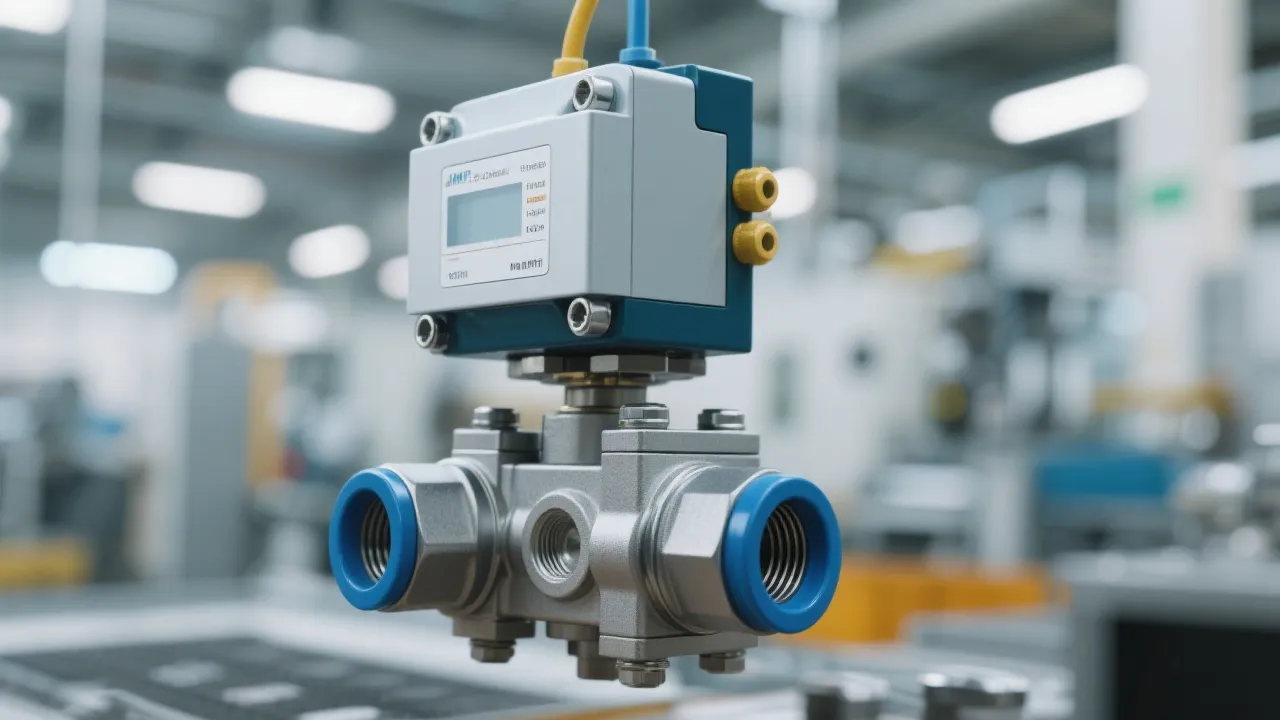
Proportional valves are hydraulic components vital for controlling fluid flow and pressure with high precision in various industrial applications. Their importance in automation and manufacturing settings stems from their ability to offer variable output in response to input signals, greatly enhancing system efficiency and performance.
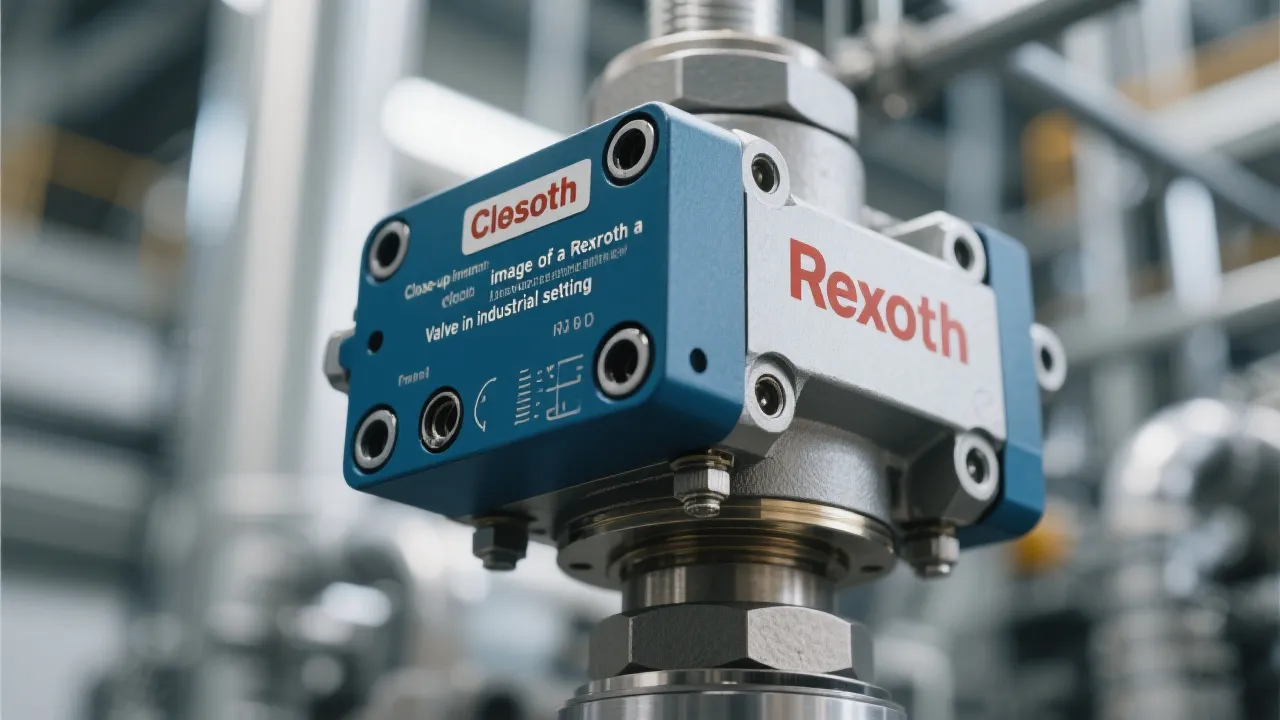
Understanding Rexroth Valve Systems
Rexroth Valves are quintessential components in various industrial applications, known for their precision and reliability. These hydraulic, pneumatic, and electrohydraulic valves regulate fluid flow in machinery, ensuring optimal performance and safety. Understanding their functionality and benefits is crucial for industries seeking efficiency and sustainability in their operations.
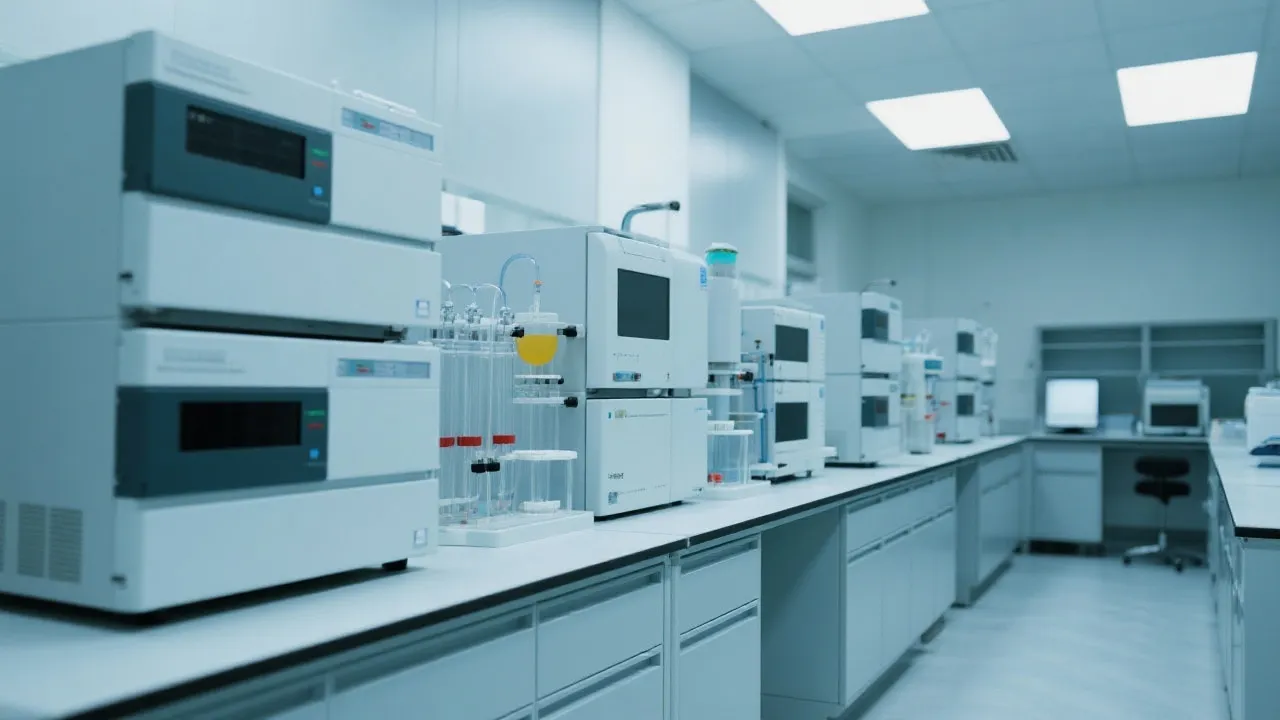
Unveiling Thermo Fisher Chromatography
This article explores the pivotal role of Thermo Fisher Chromatography in modern analytical science. Chromatography is crucial for separating compounds within mixtures, making it indispensable in industries such as pharmaceuticals and environmental testing. Thermo Fisher Scientific stands out in this field for its innovative solutions, leading to improved accuracy and efficiency in research and development.

Understanding Corrosion Inhibitor Manufacturers
In today's industrial landscape, corrosion inhibitor manufacturers play a crucial role in safeguarding equipment and infrastructure against corrosive damage. These manufacturers provide specialized chemicals that prevent corrosion in various environments, including industries such as oil and gas, marine, and construction. Understanding their operations and offerings is essential for selecting the right supplier and maintaining asset longevity.
