Atex enclosures are crucial safety devices used in hazardous environments to prevent explosions. These specialized containers adhere to rigorous standards set by the ATEX directive, which aims to enhance the safety of equipment in potentially explosive atmospheres. This article delves into their important characteristics, uses, and industry standards that govern their application, offering in-depth insights for industry professionals.
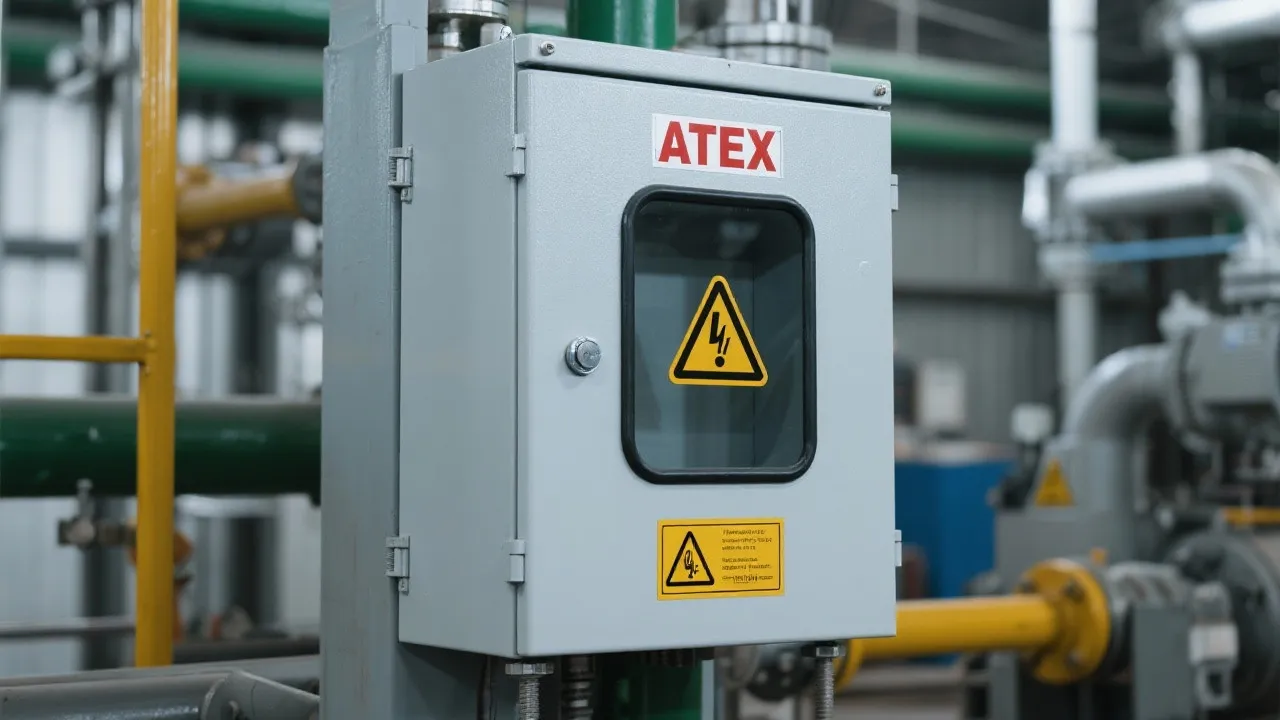
Atex enclosures play a pivotal role in industries dealing with hazardous atmospheres. Designed according to stringent safety specifications, these enclosures prevent potential ignition sources from coming into contact with explosive atmospheres. Established under the ATEX directive, which stands for "Atmosphères Explosibles," these safety devices are indispensable in sectors like oil and gas, chemical processing, and grain storage. The consequences of an explosion in these industries can be catastrophic, not only leading to loss of life but also significant financial losses, damage to property, and environmental disasters. Therefore, understanding the operational context and the importance of Atex enclosures is essential for companies that operate in potentially explosive environments.
The ATEX directive sets forth standards that manufacturers must meet to ensure equipment safety in explosive atmospheres. This directive, effective since July 1, 2003, is applicable to all equipment intended for use in atmospheres where there is a risk of explosion due to flammable gases, mists, or dusts. The certification process examines several factors, including design integrity, manufacturing processes, and operational guidelines. Companies heavily rely on Atex enclosures that carry this certification to comply with international safety norms and avoid catastrophic incidents. The implications of neglecting these certifications can be severe, leading to not only potential fines and legal repercussions but also an increased risk of accidents. Thus, Atex certification is not just a regulatory requirement but a fundamental component of an organization's safety management system.
Atex enclosures are crafted from robust materials such as stainless steel or aluminum to resist corrosion and wear in harsh environments. These materials are chosen for their durability and their ability to withstand the chemical and physical stresses present in hazardous locations. They are meticulously tested for heat resistance, ensuring that the enclosures can handle high temperatures without deforming or compromising safety. Additionally, mechanical stress tests are conducted to analyze the enclosure's resilience against impacts and vibrations, which are common in industrial settings. Specialized features like pressure relief mechanisms, acid-resistant coatings, and airtight seals are commonly integrated to ensure optimal performance. The enclosure must also be capable of dissipating heat generated by electric equipment safely, further limiting the risk of ignition. Overall, the technical specifications of Atex enclosures are crucial for ensuring that the equipment operates safely and efficiently under demanding conditions.
The versatility of Atex enclosures makes them essential in various industries. Their robust design is tailored to meet the unique demands of different sectors:
In addition to these sectors, Atex enclosures are also utilized in mining, waste treatment, and HVAC systems in buildings located in hazardous areas. Their applications are varied and tailored to meet specific industry needs, showcasing their versatility and importance in maintaining safety.
| Aspect | Atex Enclosure | Non-Atex Enclosure |
|---|---|---|
| Certification | ATEX Certified | No Specific Certification |
| Environment Suitability | Explosive Atmospheres | General Atmospheres |
| Material | High-Grade Steel/Aluminum | Varies, Often Lower Grade |
| Cost | Higher, due to Safety Features | Lower |
| Safety Features | Designed to Prevent Ignition | Standard Safety Features |
| Maintenance Requirements | Regular Inspections Required | Less Frequent Maintenance |
This comparative analysis clearly highlights the significant differences between Atex and non-Atex enclosures, underscoring the essential role that Atex enclosures play in environments susceptible to explosions. The initial investment in an Atex enclosure may be greater, but the long-term savings from preventing accidents and ensuring compliance can far outweigh the costs.
The demand for Atex enclosures is evolving, with a growing focus on smart technology integration. Innovations include IoT-enabled sensors for real-time monitoring and advanced sealing technologies for enhanced durability. The trend is towards building more intelligent, automated systems that facilitate predictive maintenance and improve operational safety. Integration of digital technologies can increase operational efficiencies, allowing companies to monitor their equipment from a centralized command center, thereby reducing response times to potential hazards.
Moreover, the development of modular Atex enclosures is gaining traction. Modular systems provide flexibility in design and allow for easier upgrades and maintenance without significant downtime. Such systems also enable companies to expand their operations while maintaining compliance with safety standards. Additionally, manufacturers are increasingly exploring the use of advanced materials that offer superior performance characteristics, such as improved heat resistance, enhanced structural integrity, and reduced weight, which can be critical in certain applications.
Furthermore, there is a growing emphasis on sustainability in the manufacturing of Atex enclosures. Materials are being selected not only for their safety and durability but also for their environmental impact. Manufacturers are looking for ways to reduce energy consumption during the production process and are focusing on creating enclosures that can be recycled at the end of their useful life. This shift towards sustainable practices is gaining importance as industries globalize and more companies prioritize corporate social responsibility.
When choosing an Atex enclosure, several critical criteria should be assessed to ensure that the selected solution is fit for purpose:
Taking the time to carefully consider these factors can significantly impact an organization’s safety performance and compliance issues. A thorough assessment ensures the right enclosure is selected, thereby providing adequate protection for employees and assets.
With their crucial role in maintaining industrial safety, Atex enclosures represent a field that continues to evolve. Staying abreast of regulations and technological advances in this area is essential for industries relying on them for safe and efficient operations. As new technologies emerge and industries face changing safety landscapes, the relevance of Atex enclosures will only increase, reinforcing their importance in safeguarding both human lives and critical infrastructure.
Explore the Tranquil Bliss of Idyllic Rural Retreats

Ultimate Countdown: The 20 Very Legendary Gaming Consoles Ever!

Understanding Halpin and its Influence

Affordable Full Mouth Dental Implants Near You

Discovering Springdale Estates

Illinois Dentatrust: Comprehensive Overview

Embark on Effortless Adventures: Unveiling the Top in Adventures Made Easy Outdoor Equipment

The Guide to Car Trading

Unveiling Ossur Valves: Innovation in Prosthetics
Unveiling Ossur Valves: Innovation in Prosthetics
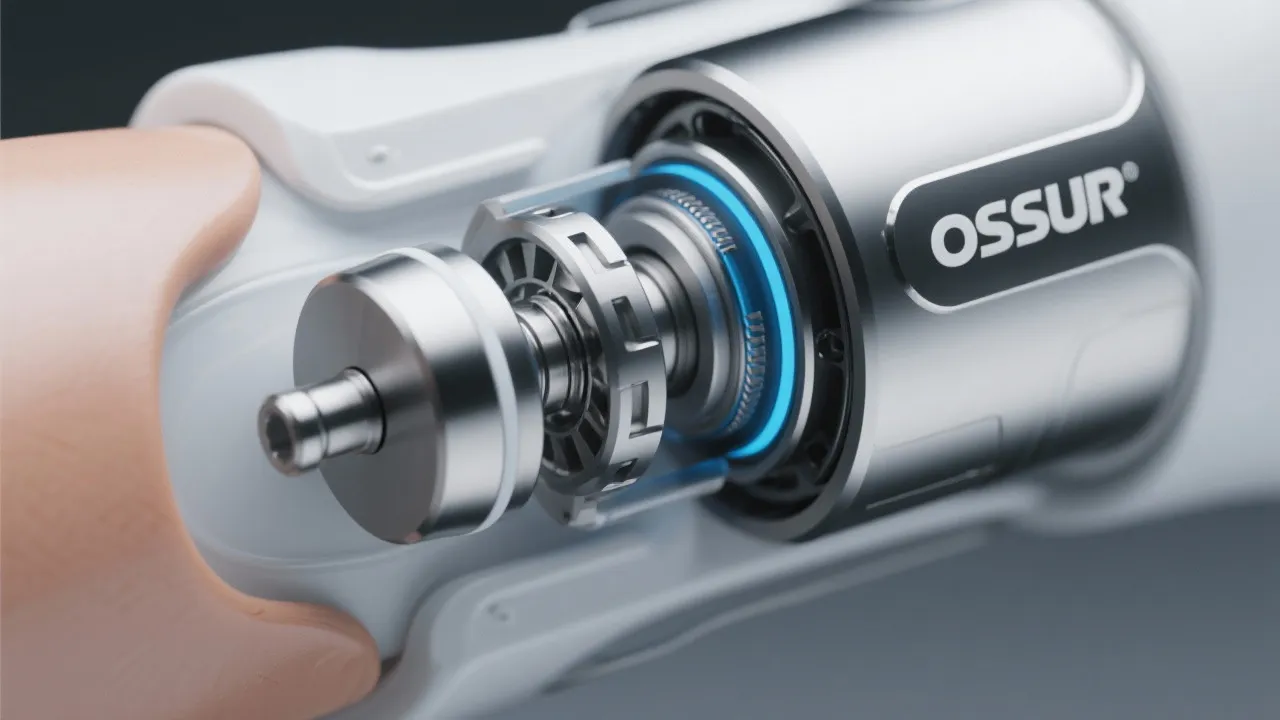
Ossur Valves represent a remarkable advancement in prosthetic technology, enhancing the comfort and functionality for users globally. These specialized valves are essential components in prosthetic limbs, facilitating pressure release and improving the overall fit, thereby contributing significantly to the quality of life and mobility for those who use them. In this article, discover the significance of Ossur Valves in optimizing prosthetic devices and explore their impact on the industry through detailed analysis and expert insights.

The Future with Ossur Valves
Ossur Valves are integral components in modern prosthetic devices, enhancing mobility and comfort for users worldwide. These engineering marvels offer profound advancements in prosthetic technology, allowing for dynamic movements and a more tailored experience for each individual. High-quality materials and cutting-edge design contribute to their prominent position in the industry.
Understanding Proportional Valves
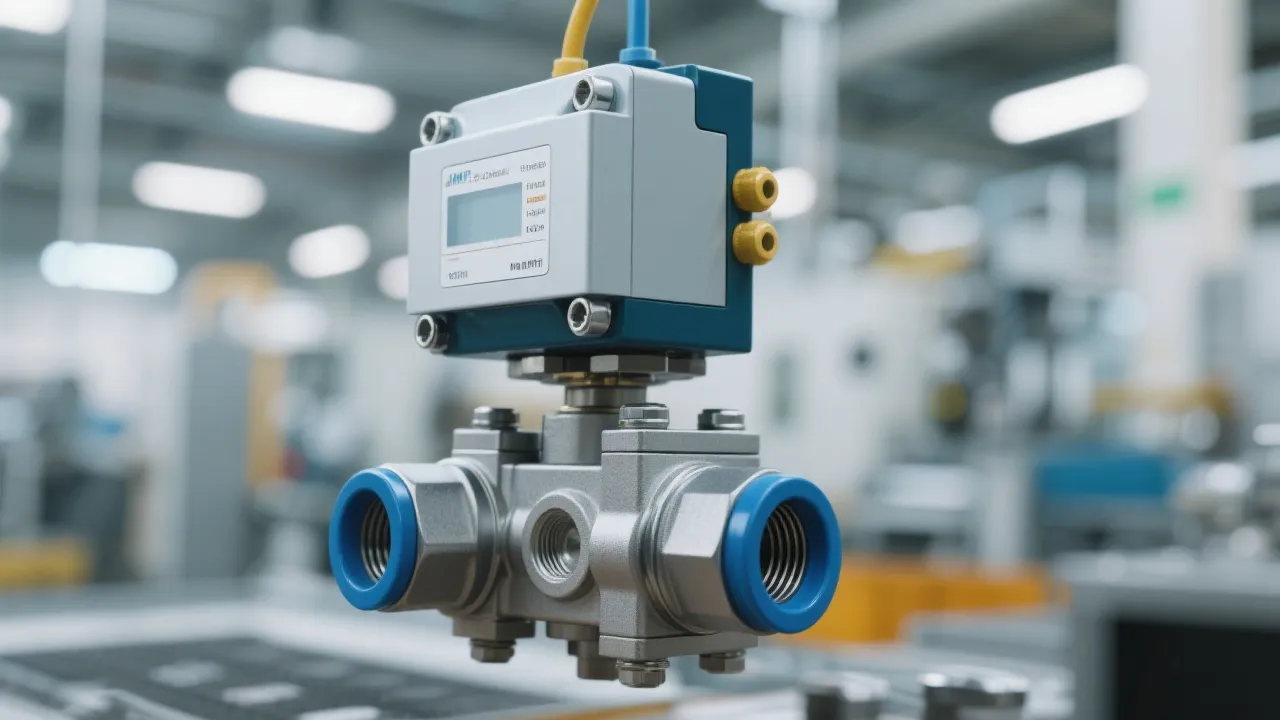
Proportional valves are hydraulic components vital for controlling fluid flow and pressure with high precision in various industrial applications. Their importance in automation and manufacturing settings stems from their ability to offer variable output in response to input signals, greatly enhancing system efficiency and performance.
Understanding Rexroth Valve Systems
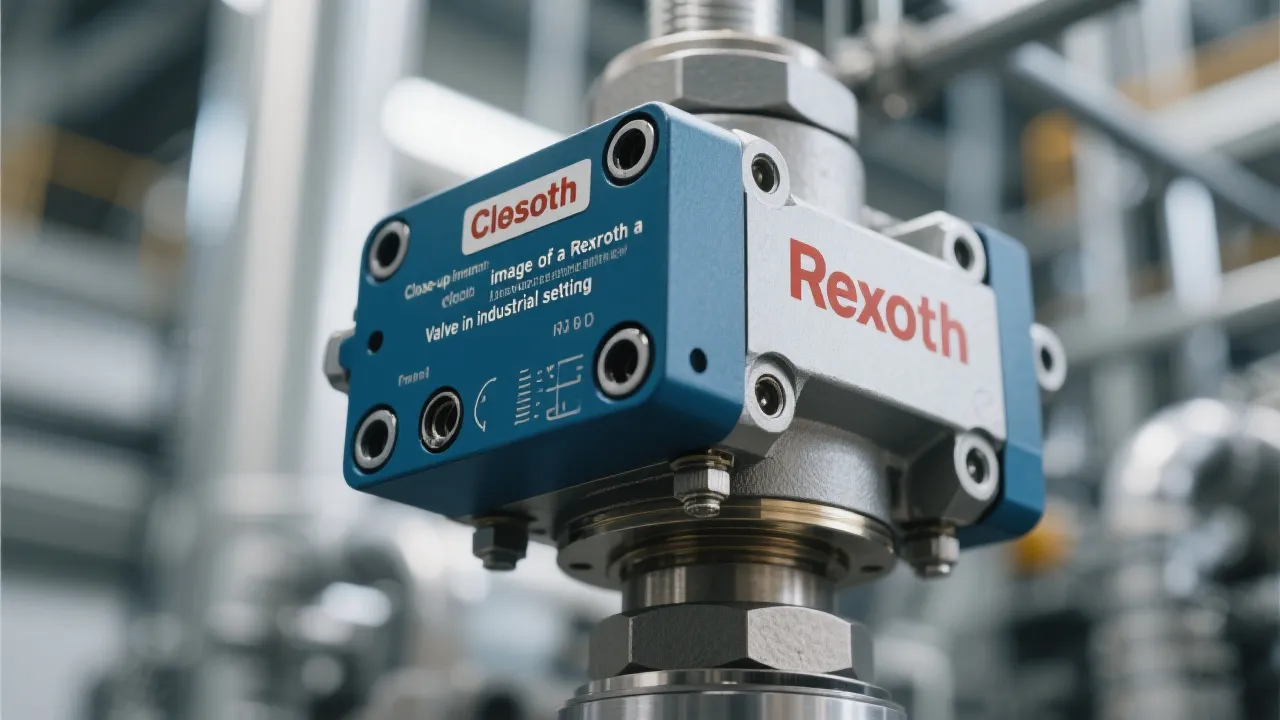
Rexroth Valves are quintessential components in various industrial applications, known for their precision and reliability. These hydraulic, pneumatic, and electrohydraulic valves regulate fluid flow in machinery, ensuring optimal performance and safety. Understanding their functionality and benefits is crucial for industries seeking efficiency and sustainability in their operations.
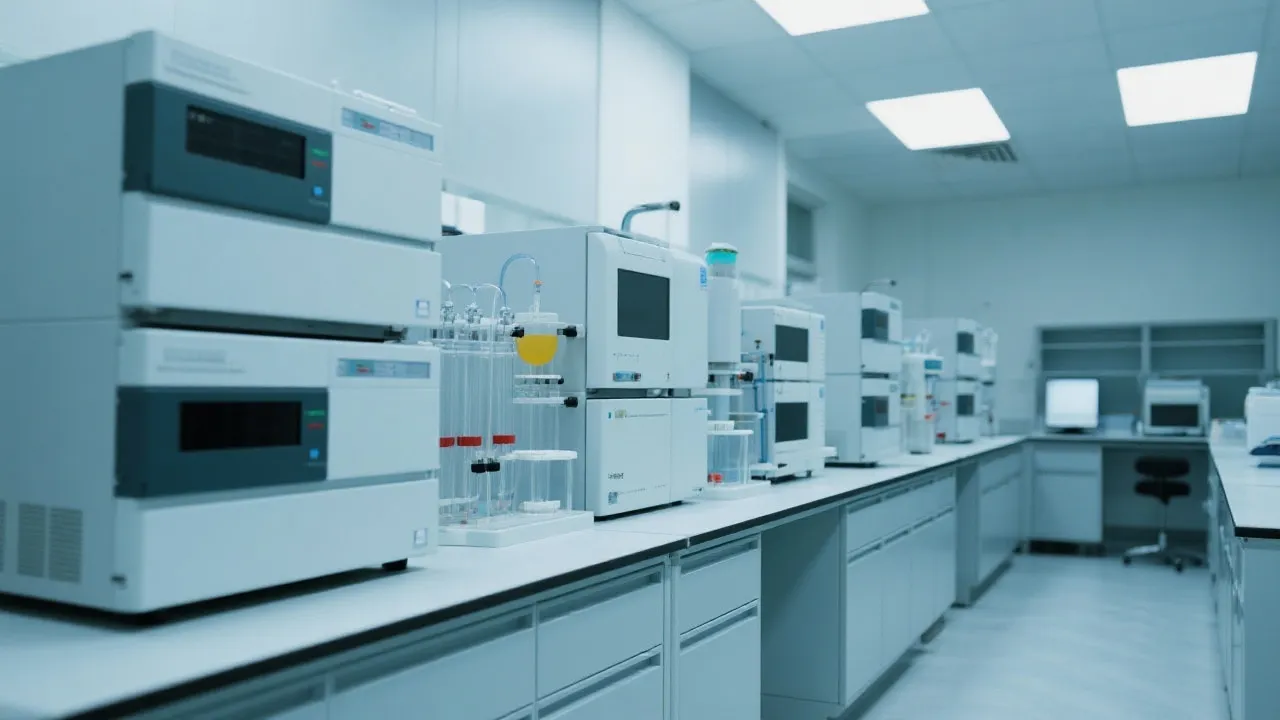
Unveiling Thermo Fisher Chromatography
This article explores the pivotal role of Thermo Fisher Chromatography in modern analytical science. Chromatography is crucial for separating compounds within mixtures, making it indispensable in industries such as pharmaceuticals and environmental testing. Thermo Fisher Scientific stands out in this field for its innovative solutions, leading to improved accuracy and efficiency in research and development.

Understanding Corrosion Inhibitor Manufacturers
In today's industrial landscape, corrosion inhibitor manufacturers play a crucial role in safeguarding equipment and infrastructure against corrosive damage. These manufacturers provide specialized chemicals that prevent corrosion in various environments, including industries such as oil and gas, marine, and construction. Understanding their operations and offerings is essential for selecting the right supplier and maintaining asset longevity.
