Atex enclosures are crucial safety components in industries dealing with explosive atmospheres. They are designed to contain electrical components safely, preventing sparks or thermal effects from igniting hazardous substances. The implementation of Atex enclosures is governed by stringent regulations and standards, ensuring operational safety in challenging environments across various industries.
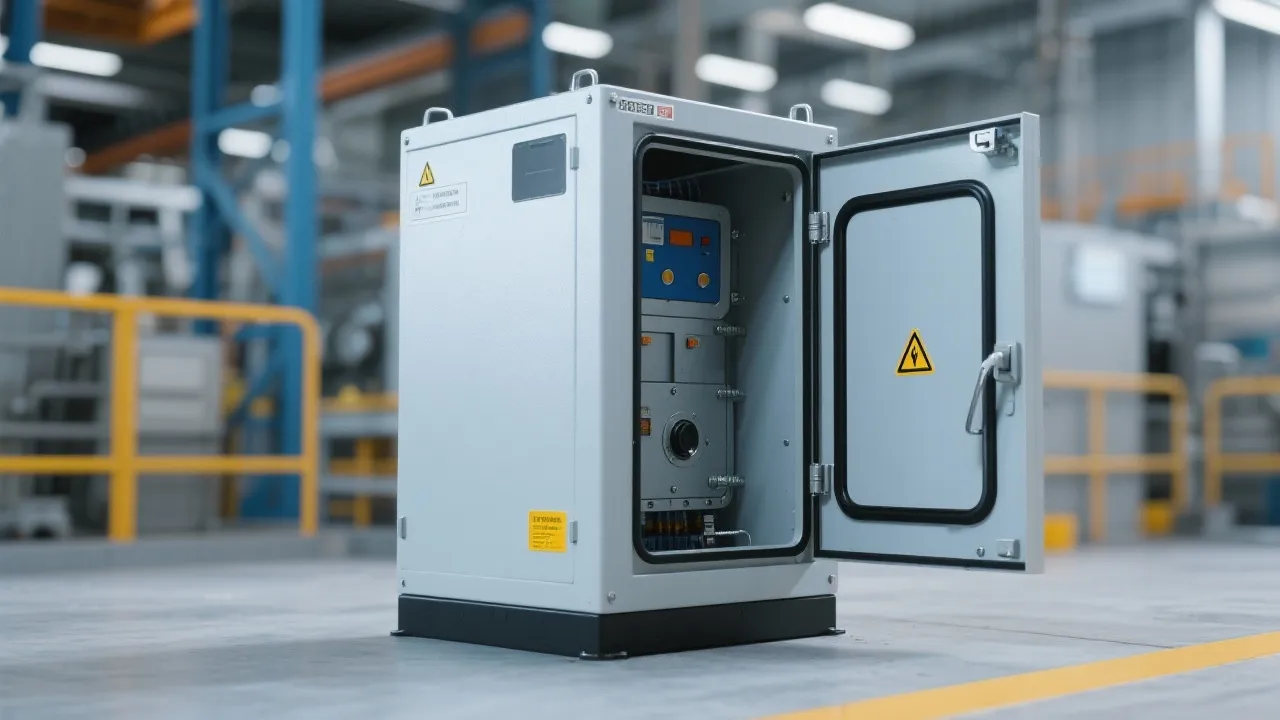
In industrial settings where explosive atmospheres are a risk, Atex enclosures serve a critical role. These enclosures house electrical components in a manner that ensures any potential ignition sources are contained, thereby preventing dangerous sparks or heat that might lead to an explosion. This functionality is vital in industries ranging from oil and gas to chemical manufacturing and beyond, ensuring both operational safety and regulatory compliance. With advancements in technology and increased awareness of safety protocols, the design and use of Atex enclosures have seen significant evolution over the years, reflecting industry needs and regulatory changes.
The primary purpose of Atex enclosures is to mitigate the risk of explosions in environments where there are concentrations of flammable gases, vapors, or dust. These enclosures are designed according to the European ATEX directives, which define the essential health and safety requirements for equipment used in explosive atmospheres. The strict adherence to these directives helps protect not just the physical infrastructure but also the personnel working in potentially hazardous conditions, underscoring the importance of risk management in industrial sectors.
This necessity arises from the very nature of certain industries. For instance, in the oil and gas sector, the extraction process can release flammable vapors that, if ignited, can lead to catastrophic outcomes. Similarly, in the chemical manufacturing industry, various chemicals can produce explosive dust or gas under certain conditions. Hence, Atex enclosures are integral to any operational strategy aimed at reducing the likelihood of such incidents, safeguarding lives and property while ensuring compliance with international safety standards.
Atex enclosures are characterized by robust construction, usually with materials such as stainless steel or aluminum to withstand harsh conditions. They incorporate specialized seals and gaskets to maintain a hermetic seal, preventing the ingress of potentially explosive elements. The choice of materials is not merely for durability; it also plays a significant role in thermal management, corrosion resistance, and maintaining the integrity of the enclosure over its service life.
In addition to physical attributes, Atex enclosures are designed with various functional features. For instance, many models include ventilation systems to manage heat build-up generated by electrical equipment housed within. This aspect is crucial because excessive heat can become an ignition source. Moreover, the design may also accommodate additional safety devices such as emergency shut-off switches or monitoring systems to provide real-time data on the environmental conditions within the enclosure.
To ensure safety, Atex enclosures must comply with applicable standards, including the ATEX 94/9/EC directive. This regulation outlines two main categories for the environment: Category 1 for very high protection and Category 2 for high protection. These categories dictate the enclosure's construction requirements, ensuring they are suitable for the specific hazardous environment. Understanding these distinctions is critical for engineers and safety officers who must specify the correct equipment for various applications.
Additionally, adherence to the International Electrotechnical Commission (IEC) standards complements Atex compliance and expands the framework within which these enclosures operate. This dual compliance ensures that manufacturers adhere to best practices that have been established globally, thereby fortifying the safety measures in place. The evolving nature of these regulations necessitates that professionals stay informed of updates and changes, which can impact equipment specifications and installation procedures.
When selecting an Atex enclosure, it's important to consider the specific requirements of your application, including the type of explosive atmosphere present and the operational environment's temperature range. The enclosure must also support the required electrical components while meeting all size, material, and certification requirements. It's essential to conduct a thorough hazard analysis to fully understand the risks associated with each specific environment. Only then can you accurately choose an enclosure that meets all relevant safety standards and operational needs.
The type of explosive gases or dust present will steer decisions on the enclosure rating. For example, if an environment is classified as Zone 0, where explosive mixtures are present continuously, Category 1 enclosures are necessary. Conversely, for areas classified as Zone 1, where flammable gases are likely to occur during normal operation, Category 2 enclosures can be employed. Each selection carries significant implications for safety management, maintenance practices, and overall equipment longevity, necessitating careful consideration during the buying process.
Proper installation and maintenance are crucial to ensuring the effectiveness of Atex enclosures. Each enclosure should be checked for compliance with the necessary standards and inspected regularly for signs of damage or wear. Maintenance should be conducted by qualified personnel familiar with both the enclosures and the environment in which they're installed. This level of expertise is non-negotiable, as improper installation or neglect can lead to undetected flaws, resulting in potential catastrophic failures.
Specific best practices for maintenance include regularly scheduled inspections, thorough cleaning to remove dust and debris, and routine testing of any built-in safety features. Additionally, it’s advisable to keep detailed records of all inspections and maintenance tasks performed on the enclosure. This documentation not only satisfies regulatory requirements but also aids in tracking any recurring issues, ultimately contributing to a proactive maintenance strategy that prioritizes safety.
According to recent industry analyses, the demand for Atex enclosures is expected to grow, fueled by expanding industrial safety regulations and the increasing number of industries operating in hazardous environments. This growth is particularly strong in the Asia-Pacific region, driven by booming industrial activities. As economies in developing regions expand rapidly, infrastructure development often comes with a concurrent emphasis on safety standards, pushing manufacturers to adopt advanced safety equipment like Atex enclosures.
Furthermore, the digital transformation across various manufacturing processes is leading to the incorporation of smart technology in Atex enclosures. With features such as remote monitoring and automated safety checks, these intelligent systems can significantly enhance safety protocols. They allow for real-time data collection and analysis, enabling operators to react swiftly to any deviations or potential anomalies in the environment, thereby preventing accidents before they occur.
| Feature | Category 1 Atex Enclosure | Category 2 Atex Enclosure |
|---|---|---|
| Protection Level | Very High | High |
| Environment | Zone 0/20 | Zone 1/21 |
| Materials | Robust, Premium (e.g., stainless steel) | Durable |
| Application | Critical safety applications | General industrial use |
| Ingress Protection Rating | IP66 or IP67 | IP54 or IP65 |
| Typical Use Case | Gas and vapors environment with continuous exposure | Gas and vapors environment with occasional exposure |
Atex enclosures are specifically designed and certified for use in hazardous environments, offering protection against explosions by containing potential ignition sources. Regular enclosures do not have the same design considerations or certifications, making them unsuitable for explosive atmospheres.
Atex enclosures are certified based on the specifications outlined in the ATEX 94/9/EC directive, ensuring they meet the necessary safety standards for explosive atmospheres. This certification process can include testing, a quality assurance audit, and ongoing compliance checks depending on the manufacturer and designated regulations.
Yes, many manufacturers offer customizations to meet the unique requirements of different industrial applications, including size, material selection, and component accommodation. Custom designs may be necessary to integrate various types of equipment or to fit specific site constraints while still adhering to safety regulations.
Regular inspections should be conducted based on the manufacturer's recommendations and the specific conditions of the installation environment. Typically, annual checks are a minimum standard for many industries. However, in particularly harsh environments or where equipment is heavily utilized, more frequent inspections may be warranted.
Failing to use Atex enclosures in hazardous environments can lead to catastrophic explosions, resulting in loss of life, injuries, and significant property damage. Furthermore, it can lead to legal repercussions for neglecting safety regulations, including fines and business closure. Organizations have a legal and ethical responsibility to protect their workers and the environment.
Understanding and selecting the right Atex enclosure is crucial for maintaining safety in potentially explosive environments. As industries continue to evolve, the importance of these robust enclosures cannot be overstated, ensuring that operations remain both safe and effective. Future trends suggest a move towards the integration of advanced technologies within Atex enclosures, with ever-increasing focus on optimal safety and efficiency. Manufacturers and users alike must prioritize remaining informed and proactive in their approach, ensuring consistent adherence to the latest safety standards and innovations in technology. This way, they can effectively minimize risks while adapting to the changing landscape of industrial operations.
Explore the Tranquil Bliss of Idyllic Rural Retreats

Ultimate Countdown: The 20 Very Legendary Gaming Consoles Ever!

Understanding Halpin and its Influence

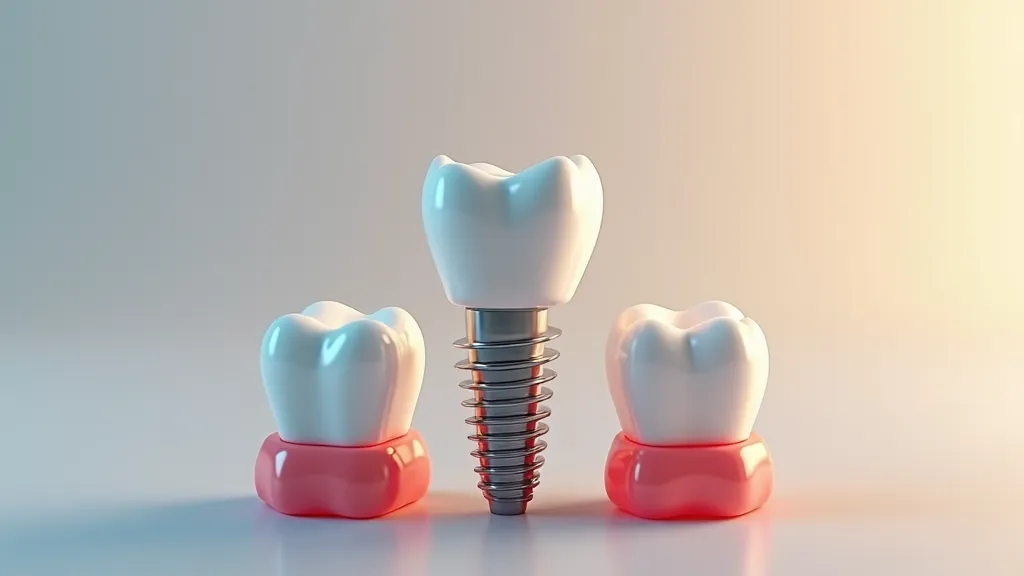
Affordable Full Mouth Dental Implants Near You
Discovering Springdale Estates

Illinois Dentatrust: Comprehensive Overview

Embark on Effortless Adventures: Unveiling the Top in Adventures Made Easy Outdoor Equipment

The Guide to Car Trading

Unveiling Ossur Valves: Innovation in Prosthetics
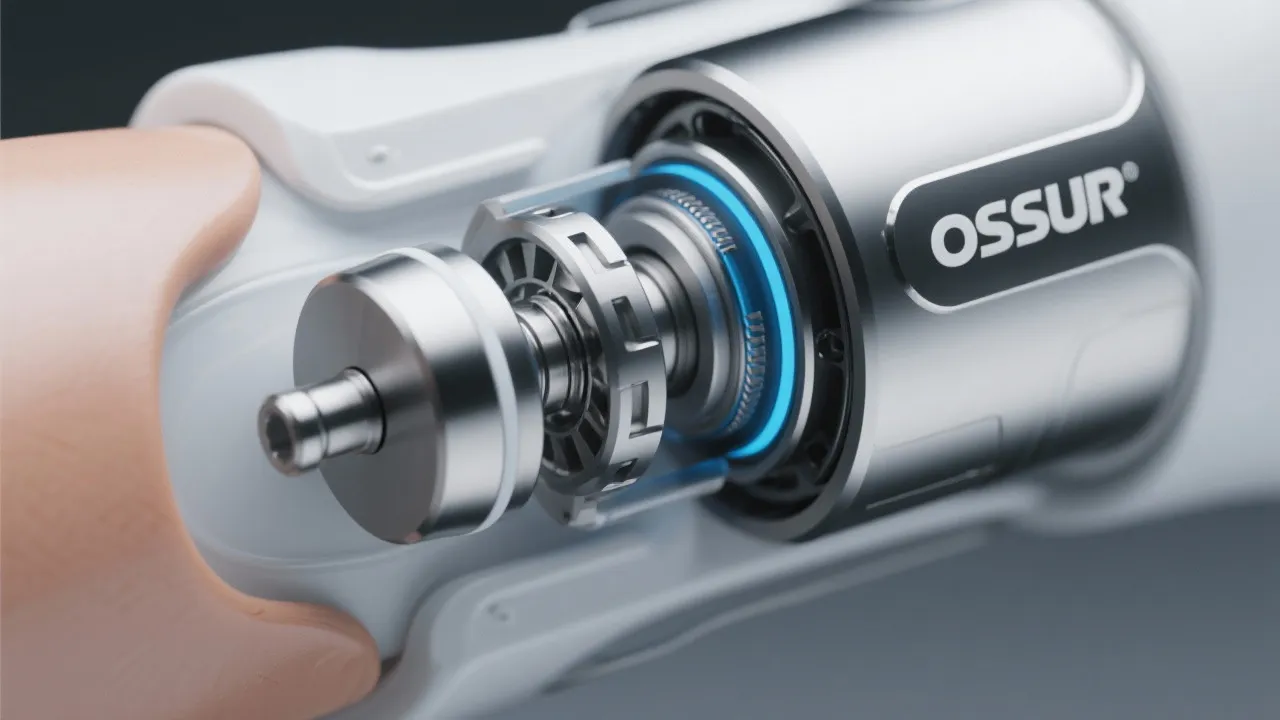
Unveiling Ossur Valves: Innovation in Prosthetics
Ossur Valves represent a remarkable advancement in prosthetic technology, enhancing the comfort and functionality for users globally. These specialized valves are essential components in prosthetic limbs, facilitating pressure release and improving the overall fit, thereby contributing significantly to the quality of life and mobility for those who use them. In this article, discover the significance of Ossur Valves in optimizing prosthetic devices and explore their impact on the industry through detailed analysis and expert insights.

The Future with Ossur Valves
Ossur Valves are integral components in modern prosthetic devices, enhancing mobility and comfort for users worldwide. These engineering marvels offer profound advancements in prosthetic technology, allowing for dynamic movements and a more tailored experience for each individual. High-quality materials and cutting-edge design contribute to their prominent position in the industry.
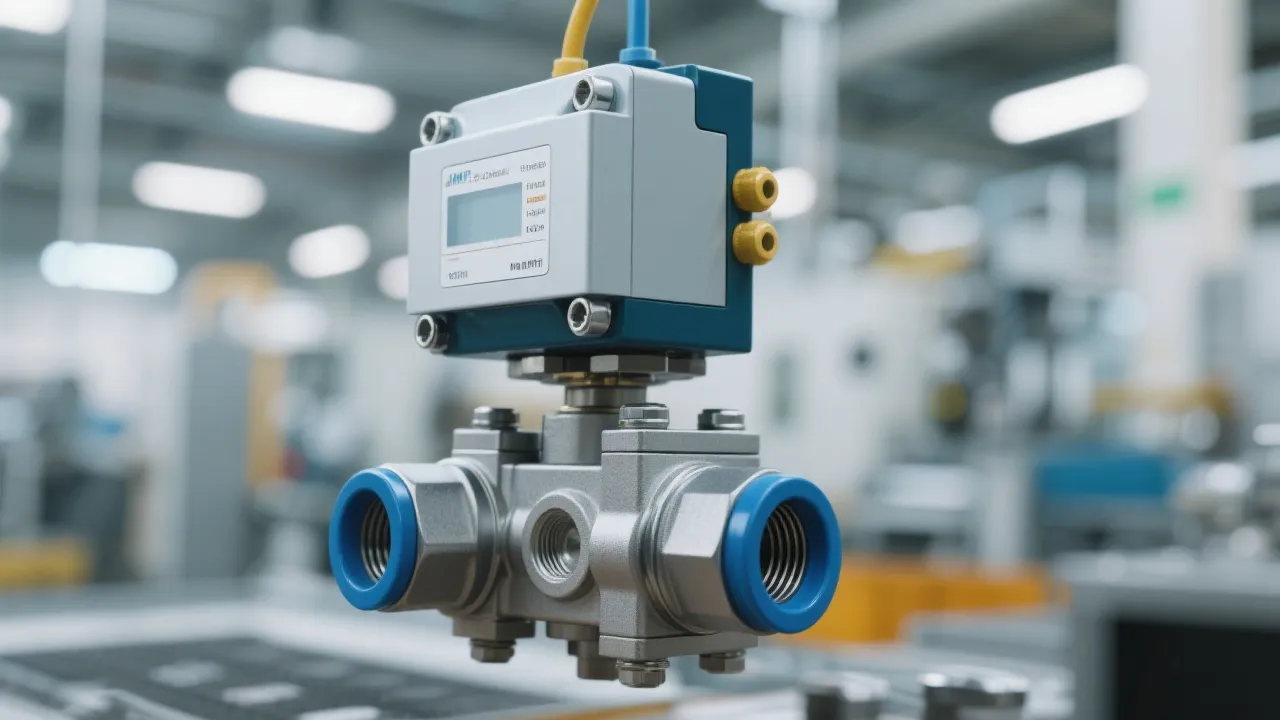
Understanding Proportional Valves
Proportional valves are hydraulic components vital for controlling fluid flow and pressure with high precision in various industrial applications. Their importance in automation and manufacturing settings stems from their ability to offer variable output in response to input signals, greatly enhancing system efficiency and performance.
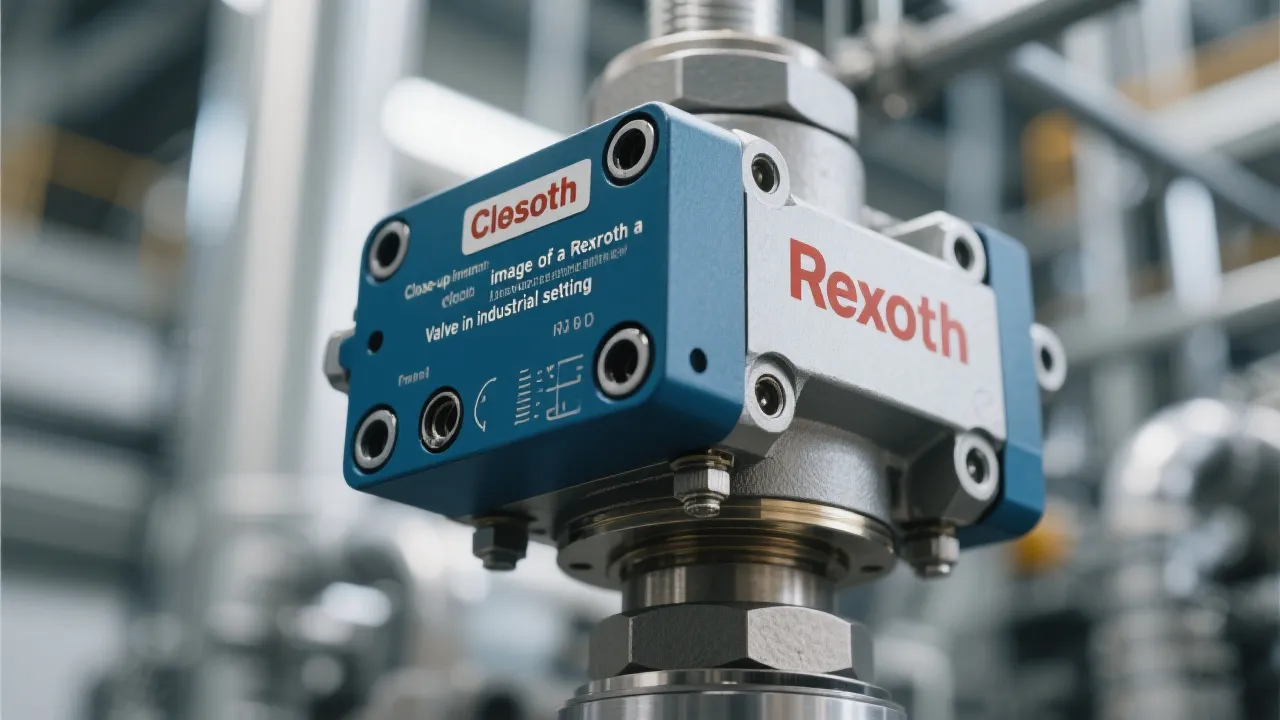
Understanding Rexroth Valve Systems
Rexroth Valves are quintessential components in various industrial applications, known for their precision and reliability. These hydraulic, pneumatic, and electrohydraulic valves regulate fluid flow in machinery, ensuring optimal performance and safety. Understanding their functionality and benefits is crucial for industries seeking efficiency and sustainability in their operations.
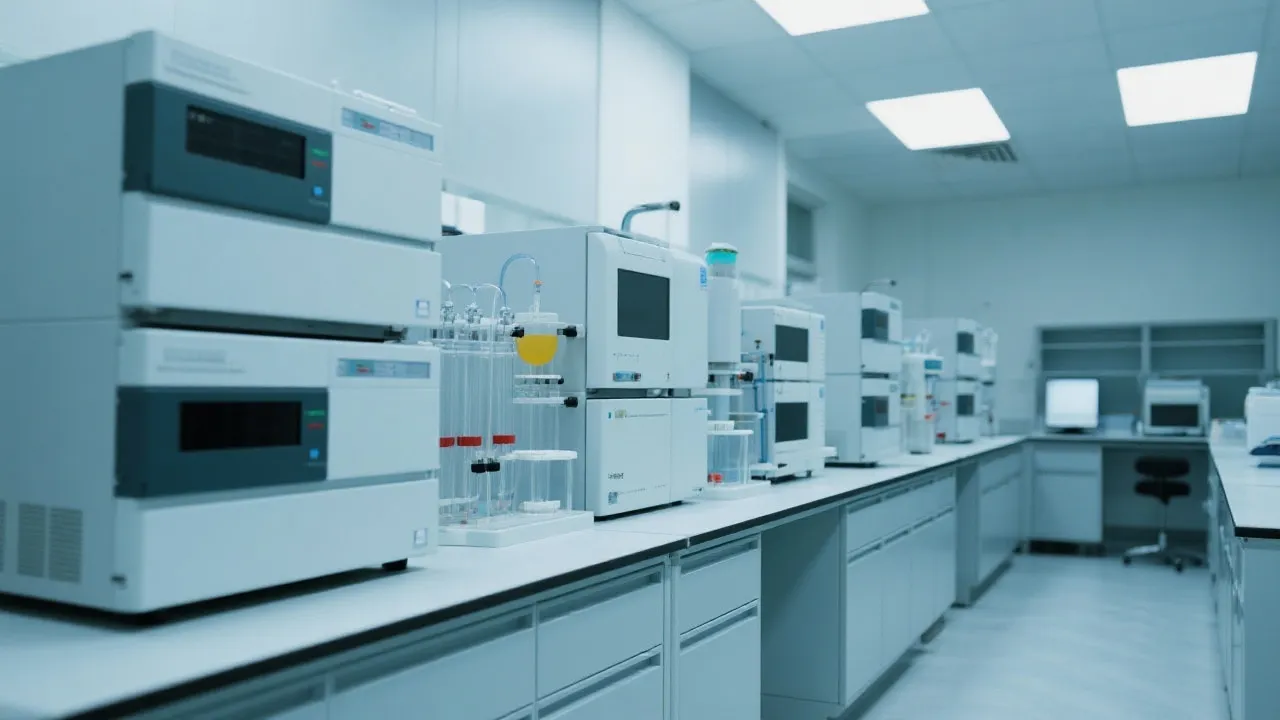
Unveiling Thermo Fisher Chromatography
This article explores the pivotal role of Thermo Fisher Chromatography in modern analytical science. Chromatography is crucial for separating compounds within mixtures, making it indispensable in industries such as pharmaceuticals and environmental testing. Thermo Fisher Scientific stands out in this field for its innovative solutions, leading to improved accuracy and efficiency in research and development.

Understanding Corrosion Inhibitor Manufacturers
In today's industrial landscape, corrosion inhibitor manufacturers play a crucial role in safeguarding equipment and infrastructure against corrosive damage. These manufacturers provide specialized chemicals that prevent corrosion in various environments, including industries such as oil and gas, marine, and construction. Understanding their operations and offerings is essential for selecting the right supplier and maintaining asset longevity.
