An Atex enclosure is an essential safety feature in industrial environments where explosive atmospheres may be present. These enclosures, designed to prevent explosions by containing ignite sources, are regulated under stringent directives. Understanding Atex enclosures' applications, standards, and benefits is vital for companies operating in potentially hazardous areas.
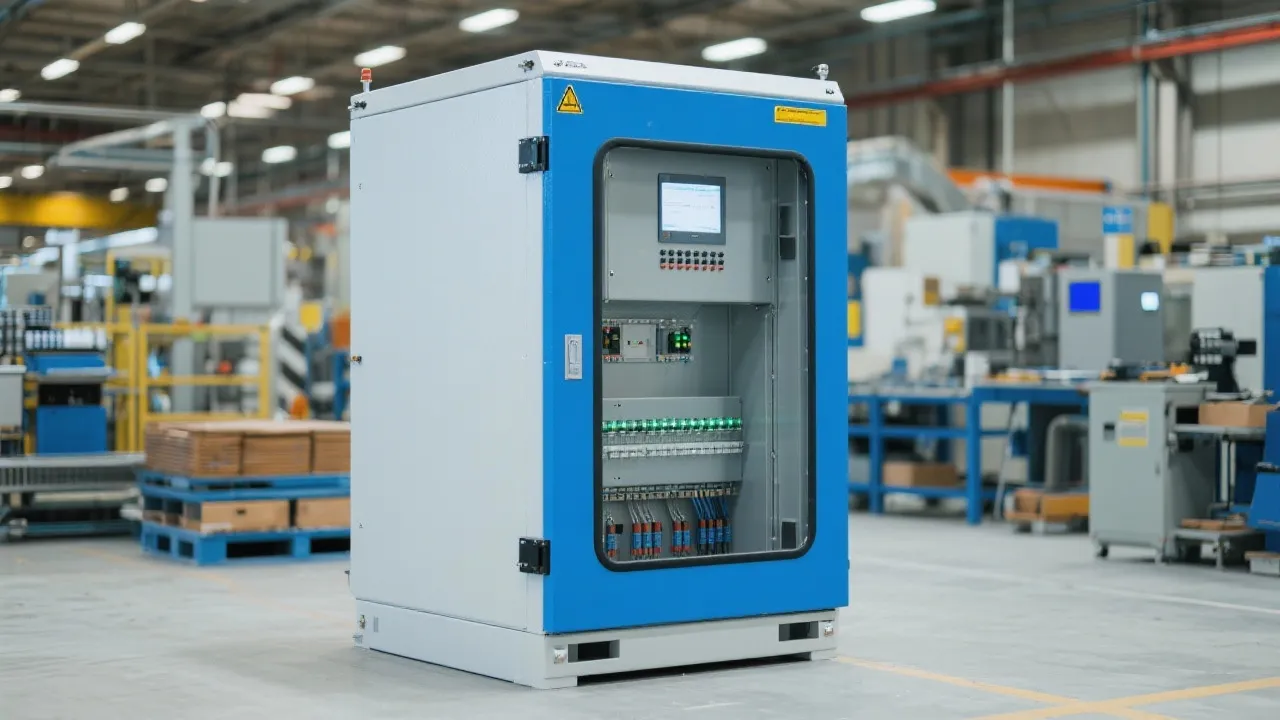
In industries where safety is paramount, understanding the role of an Atex enclosure is crucial. These enclosures are specifically designed to operate in environments where there is a potential for explosions due to gases, vapors, or dust. The need for safety in such conditions cannot be overemphasized, as it ensures both the safety of personnel and the continuity of operations. With the increasing focus on workplace safety standards and regulations, Atex enclosures have become essential components in various industrial sectors, including oil and gas, chemicals, pharmaceuticals, and food processing. Their significance cannot merely be attributed to compliance; they also play a vital role in boosting operational reliability, thereby driving overall productivity.
An Atex enclosure is engineered to house electrical and electronic equipment in environments where explosive atmospheres are likely. These enclosures adhere to Atex directives, which are European Union regulations ensuring equipment is safe for explosive atmospheres. They are meticulously designed to prevent any internal components from igniting hazardous elements outside the enclosure. The term "Atex" originates from the French "ATmosphères EXplosibles" and represents a set of two EU directives: the Atex 114, which applies to equipment, and the Atex 153, focusing on workplace safety in explosive atmospheres. Such enclosures are rigorously tested to ensure they can contain any sparks or heat generated by electrical equipment, thus preventing ignition of potentially explosive gases or dust particles in the environment.
Compliance with Atex directives not only assures safety but also aligns with legal obligations in the EU. Atex certification involves stringent testing and validation processes, ensuring that the enclosures can withstand potential explosive scenarios without failing. This compliance is critical in sectors like oil and gas, chemicals, pharmaceuticals, and more. Any non-compliance not only endangers employee safety but also exposes organizations to legal liabilities, significant fines, and damage to reputation. Furthermore, Atex compliance promotes a culture of safety within organizations, fostering best practices that extend beyond mere regulatory adherence. By investing in Atex-compliant solutions, companies enhance their operational integrity and demonstrate a commitment to safety, thereby gaining the trust of employees and stakeholders alike.
The design of an Atex enclosure is focused on preventing the ingress of flammable substances. They often include robust materials that can contain any internal spark or explosion. Key features to look for include:
Choosing the appropriate Atex enclosure involves understanding the specific environmental conditions it will face. Considerations include the classification of the hazardous area, the type of protection required (e.g., flameproof, increased safety), and the specific needs of the equipment inside the enclosure. By consulting with Atex-certified suppliers, businesses can ensure they select enclosures appropriate for their specific applications. The selection process should also involve considering operational limits such as temperature ranges, humidity levels, and potential exposure to chemicals. Engaging with suppliers who can provide expert guidance and a wide range of options will help in making an informed decision that aligns with both safety and operational requirements.
| Standard | Description |
|---|---|
| Atex Directive 2014/34/EU | Defines the requirements for equipment in explosive atmospheres within the EU, ensuring safety and functional reliability. |
| IECEx | An international standard equivalent to Atex, recognized globally outside of Europe. It facilitates international trade by standardizing safety measures for electrical equipment in explosive environments. |
| NFPA 70 (NEC) | Focuses on safe practices in hazardous (classified) locations in North America, outlining installation and maintenance practices to minimize risks associated with explosive atmospheres. |
| ISO 80079-36 | This standard specifies basic concepts and definitions for the classification of explosive atmospheres and the associated zones, aiding in the proper selection of matching Atex enclosures. |
The primary benefit of Atex enclosures is safety. By mitigating the risk of explosions, these enclosures safeguard human lives and investments in industrial installations. Additionally, they ensure operational continuity, minimize downtime, and protect brand reputation. Furthermore, having Atex-compliant solutions can enhance insurance relations and reduce premiums, as insurers may view compliance positively. These factors make Atex-certified enclosures indispensable in hazardous settings. In addition to safety, Atex enclosures are often cost-effective in the long run, as they reduce the risk of costly downtime associated with accidents or regulatory non-compliance, making a compelling case for initial investments in these systems.
Q: Why are Atex enclosures required?
A: They are essential for ensuring the safety of electrical installations in environments with explosive atmospheres, meeting both safety and legal requirements. Without proper enclosures, the risk of ignition from electrical equipment significantly increases.
Q: How is an Atex enclosure tested?
A: Testing includes rigorous evaluations to ensure containment of internal explosions and prevention of external ignitions, complying with corresponding certification standards. Enclosures are subjected to explosion testing and temperature rise tests, among other evaluations.
Q: Can Atex enclosures be customized?
A: Yes, many manufacturers offer customizable solutions to fit specific operational requirements while maintaining compliance with applicable standards. Customization can include variations in size, materials, and additional features tailored to the specific risks associated with the user's industry.
Q: What happens if Atex compliance is not maintained?
A: Failing to maintain Atex compliance can lead to severe consequences, including risks to employee safety, legal actions from regulatory bodies, and financial losses from accidents. It also significantly jeopardizes the operational viability of businesses, as non-compliance can halt operations until rectified.
Q: What are the costs associated with implementing Atex enclosures?
A: While initial costs can vary based on the complexity and specifications of the enclosure, the long-term benefits of preventing accidents, reducing liability, and ensuring compliance can far outweigh these costs, making them a wise investment in safety and operational efficiency.
Atex enclosures play a critical role in maintaining safety and operational efficiency in numerous industrial sectors prone to explosive atmospheres. Understanding the scope and regulations of these enclosures allows companies to make informed decisions, ensuring both compliance and security. The integration of Atex enclosures in industrial settings represents a commitment to best practices in safety and operational excellence, fundamentally enhancing the resilience of both personnel and infrastructure.
In conclusion, Atex enclosures are indispensable in a multitude of industries where hazardous explosive atmospheres present significant risks to human safety and equipment integrity. Their design and operational standards are founded on rigorous testing and strict compliance with European directives, thus creating a framework that not only favors safety but also promotes efficient operational practices. The careful selection of Atex enclosures, tailored to specific industry needs, is essential for mitigating risks and fostering a culture of safety and compliance. As industries evolve and the demands for safety continue to rise, the role of Atex enclosures will only grow, reinforcing their importance in future industrial developments.
Explore the Tranquil Bliss of Idyllic Rural Retreats

Ultimate Countdown: The 20 Very Legendary Gaming Consoles Ever!

Understanding Halpin and its Influence

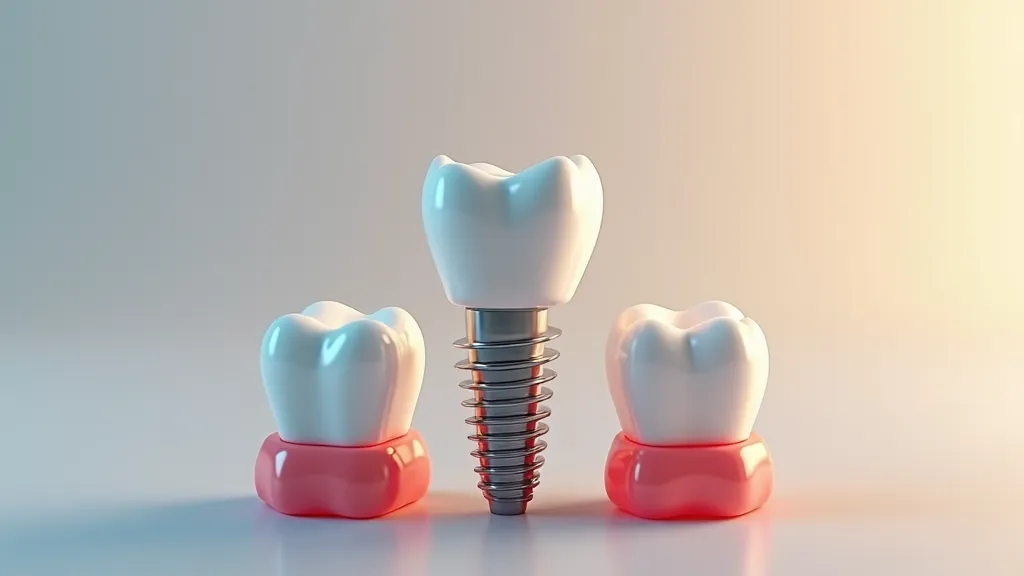
Affordable Full Mouth Dental Implants Near You
Discovering Springdale Estates

Illinois Dentatrust: Comprehensive Overview

Embark on Effortless Adventures: Unveiling the Top in Adventures Made Easy Outdoor Equipment

The Guide to Car Trading

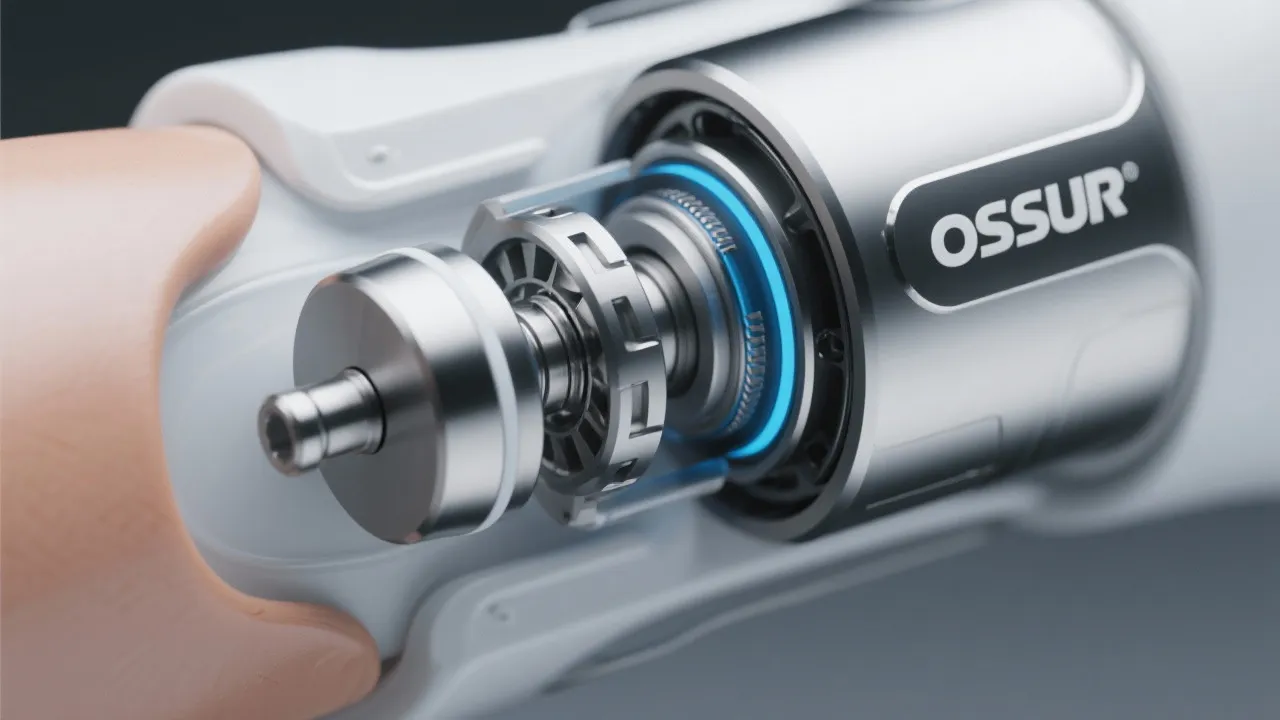
Unveiling Ossur Valves: Innovation in Prosthetics
Unveiling Ossur Valves: Innovation in Prosthetics
Ossur Valves represent a remarkable advancement in prosthetic technology, enhancing the comfort and functionality for users globally. These specialized valves are essential components in prosthetic limbs, facilitating pressure release and improving the overall fit, thereby contributing significantly to the quality of life and mobility for those who use them. In this article, discover the significance of Ossur Valves in optimizing prosthetic devices and explore their impact on the industry through detailed analysis and expert insights.

The Future with Ossur Valves
Ossur Valves are integral components in modern prosthetic devices, enhancing mobility and comfort for users worldwide. These engineering marvels offer profound advancements in prosthetic technology, allowing for dynamic movements and a more tailored experience for each individual. High-quality materials and cutting-edge design contribute to their prominent position in the industry.
Understanding Proportional Valves
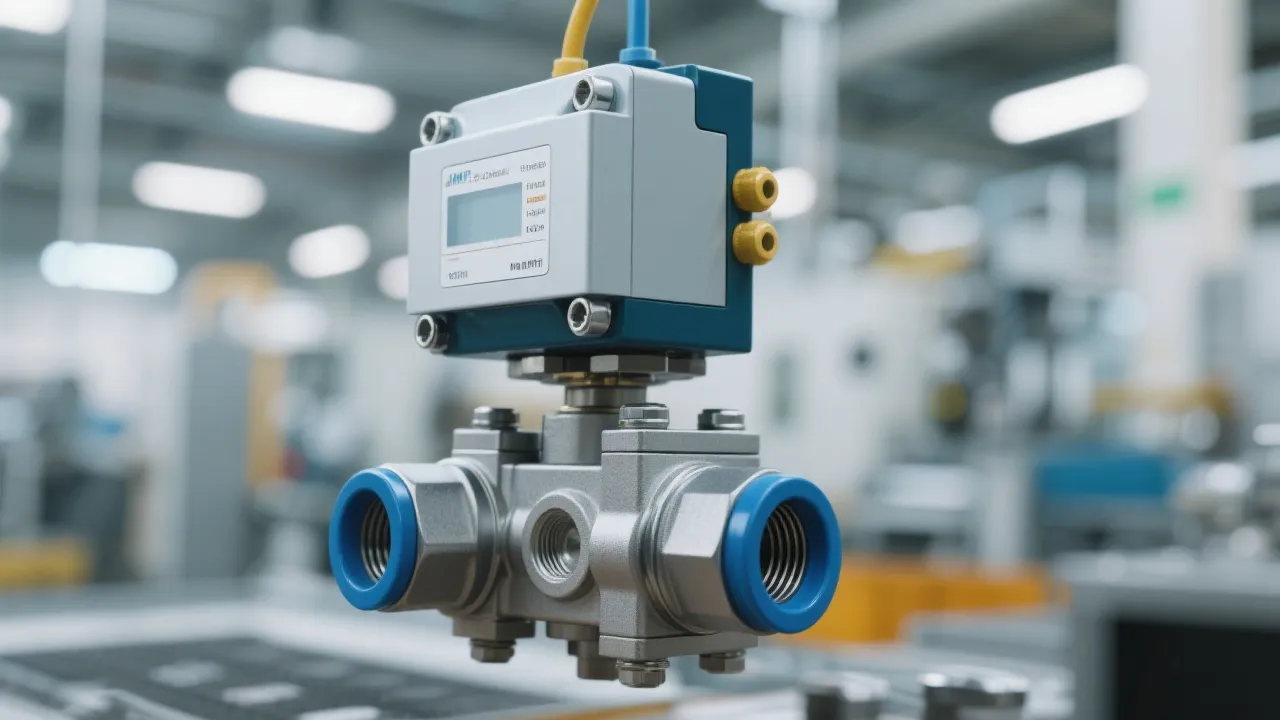
Proportional valves are hydraulic components vital for controlling fluid flow and pressure with high precision in various industrial applications. Their importance in automation and manufacturing settings stems from their ability to offer variable output in response to input signals, greatly enhancing system efficiency and performance.
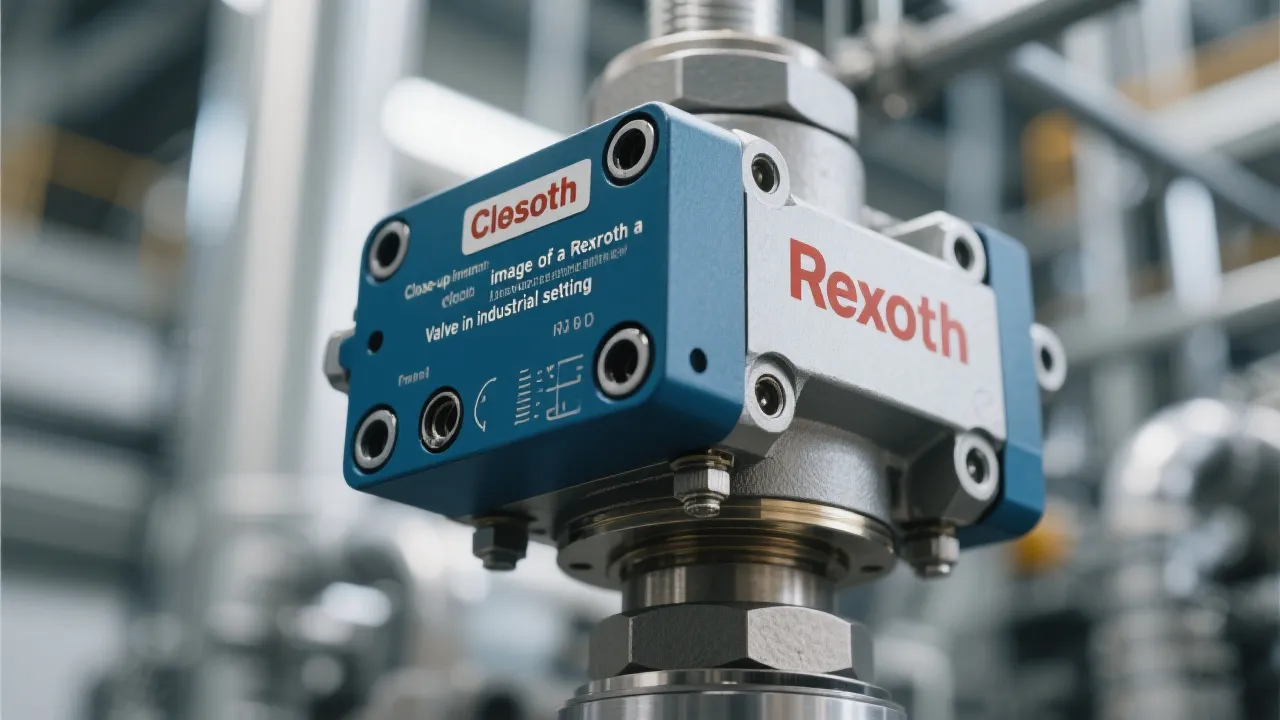
Understanding Rexroth Valve Systems
Rexroth Valves are quintessential components in various industrial applications, known for their precision and reliability. These hydraulic, pneumatic, and electrohydraulic valves regulate fluid flow in machinery, ensuring optimal performance and safety. Understanding their functionality and benefits is crucial for industries seeking efficiency and sustainability in their operations.

Unveiling Thermo Fisher Chromatography
This article explores the pivotal role of Thermo Fisher Chromatography in modern analytical science. Chromatography is crucial for separating compounds within mixtures, making it indispensable in industries such as pharmaceuticals and environmental testing. Thermo Fisher Scientific stands out in this field for its innovative solutions, leading to improved accuracy and efficiency in research and development.

Understanding Corrosion Inhibitor Manufacturers
In today's industrial landscape, corrosion inhibitor manufacturers play a crucial role in safeguarding equipment and infrastructure against corrosive damage. These manufacturers provide specialized chemicals that prevent corrosion in various environments, including industries such as oil and gas, marine, and construction. Understanding their operations and offerings is essential for selecting the right supplier and maintaining asset longevity.
