Atex Enclosures are critical devices in industrial settings to ensure safety by preventing the combustion of flammable gases and dust. These enclosures are essential in hazardous areas, offering significant protection against potentially explosive atmospheres. In this in-depth analysis, we explore the importance of Atex Enclosures, their components, types, and the requirements for adherence to safety standards.
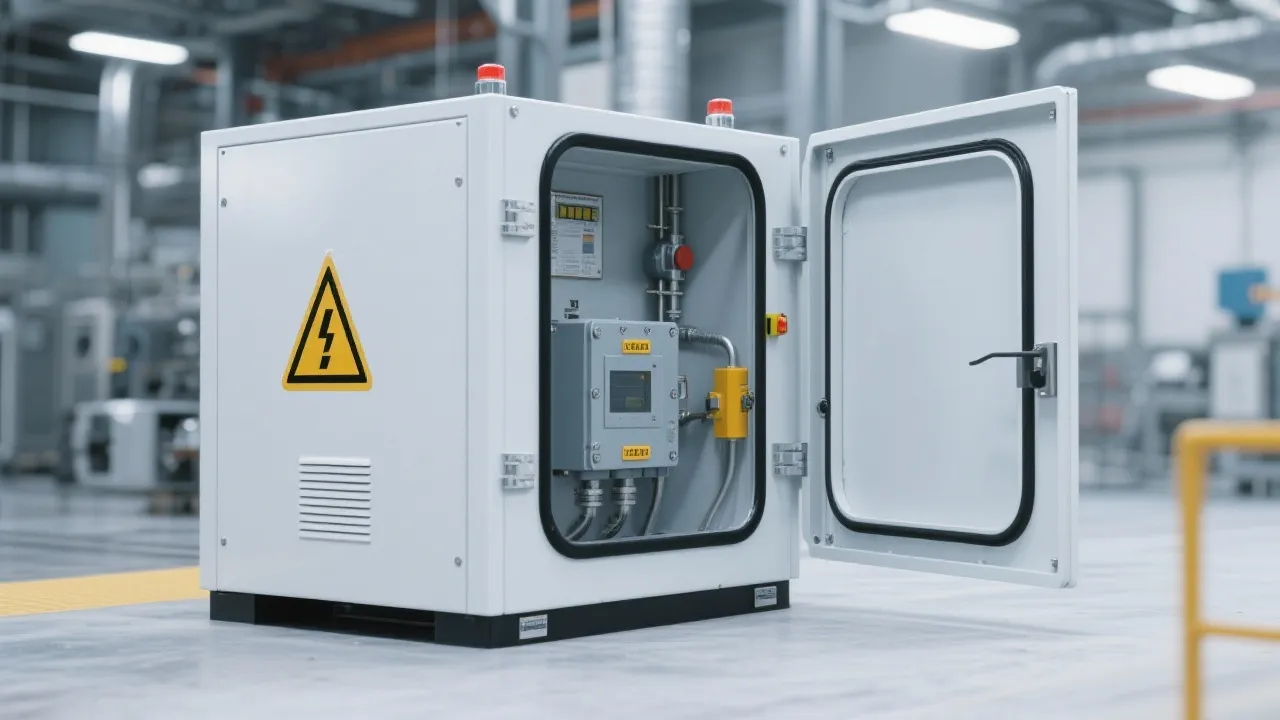
In the realm of industrial applications, ensuring worker safety and preventing explosive incidents are top priorities. Atex Enclosures serve as crucial components in hazardous environments where flammable gases and dust pose grave risks. By housing electrical and mechanical equipment, these enclosures prevent ignition sources from interacting with potentially explosive substances. The repercussions of neglecting safety measures in such settings can be catastrophic, resulting in loss of life, significant property damage, and environmental harm. Therefore, adopting robust safety protocols, including the usage of Atex Enclosures, is imperative for industries worldwide.
Atex Enclosures, named after the European directive ATEX (Appareils destinés à être utilisés en ATmosphères EXplosibles), are designed to minimize the risks in areas classified as hazardous zones. Compliance with Atex Directives 2014/34/EU and 1999/92/EC ensures that equipment used in potentially explosive atmospheres adheres to the highest safety standards. The enclosures are meticulously crafted to encapsulate equipment and protect it from dust and gases. Understanding the fundamental principles of Atex Enclosures is crucial for professionals engaging in construction, maintenance, and operation within hazardous areas. They must grasp the importance of these enclosures in mitigating risks, as well as the legislative frameworks that govern their implementation.
The structure of Atex Enclosures is fundamental to their effectiveness. These enclosures typically consist of materials like stainless steel, fiberglass, or polycarbonate, chosen for their strength and resistance to corrosion. The design varies depending on the specific hazard environment and can include flameproof enclosures, increased safety enclosures, and intrinsic safety enclosures. By analyzing the components of these enclosures, industries can select the most appropriate type for their operational needs.
Adhering to Atex standards requires a detailed understanding of the hazardous location types and the corresponding marking on equipment. Compliance with Atex involves various classification steps based on the nature of the explosive environment and includes:
| Zone | Description |
|---|---|
| Zone 0 | An area with a continuous presence of explosive gases or vapors. Special precautions must be taken to ensure safety in these areas. |
| Zone 1 | An area where explosive gases are likely to occur during normal operations. Equipment used in these zones must be designed for such conditions. |
| Zone 2 | An area where explosive gases are not likely to occur under normal conditions but may happen in exceptional circumstances. While not as hazardous as Zone 0 or 1, precautions are still necessary. |
It is essential for organizations to conduct thorough assessments of their facilities to classify zones accurately. This assessment should involve the expertise of professionals trained in hazardous location evaluations, as misjudgment can lead to the deployment of inadequate safety solutions. By adhering to the Atex classification system, companies can ensure that they implement the necessary safety measures to protect their workers and assets.
For industries operating in hazardous areas, selecting the right Atex Enclosures can significantly reduce risks. Engaging with certified manufacturers and suppliers who provide enclosures with the necessary documentation and certifications attesting to their compliance with Atex standards is crucial. Additionally, it is vital to consider the operational environment when selecting an appropriate enclosure. Factors such as temperature variations, chemical exposure, and physical impacts should be evaluated to determine the best enclosure type.
Examining real-world applications of Atex enclosures offers critical insight into their advantages and implementation processes. For instance, in the oil and gas sector, Atex enclosures are extensively utilized for housing instrumentation and control systems. In one case study, a major oil refinery faced concerns about potential explosive atmospheres due to the high volume of flammable gas present. By assessing their facility and introducing flameproof Atex enclosures, they safeguarded vital equipment, which maintained operational efficiency while ensuring compliance with safety regulations.
Similarly, in chemical manufacturing, an organization processed various volatile substances. The company replaced non-compliant electrical housings with Atex-approved enclosures, reducing the risk of ignition sources. This update not only improved safety but also boosted staff confidence, knowing that their work environment adhered to stringent safety standards. Companies that invest in Atex enclosures not only meet compliance but also protect their workforce, manage liabilities, and contribute to a safer industry.
Once Atex Enclosures are implemented, ensuring their continued effectiveness is paramount. Regular maintenance and inspections play a vital role in upholding safety standards. Inspection frequencies may vary depending on the enclosure type, zone classification, and the nature of the operational environment.
Organizations should establish a routine inspection schedule, ideally monthly or quarterly depending on the level of exposure to potential hazards. These inspections should assess not only the physical integrity of the enclosure but also the effectiveness of seals, coatings, and any potential corrosion. Documentation of inspection results is essential for maintaining compliance and providing evidence in the case of regulatory audits.
Additionally, training staff on the importance of maintaining Atex Enclosures and understanding the risks associated with explosive atmospheres is crucial. This training should encompass both theoretical knowledge and practical applications, empowering employees to recognize the critical role they play in sustaining a safe working environment.
As industries evolve, so do the technologies associated with Atex Enclosures. Continuous research and development efforts are leading to innovative designs that offer improved performance and durability. For instance, advancements in materials science have resulted in lightweight yet sturdy materials, allowing for easier installation while maintaining high standards of safety.
Smart technology integration into Atex Enclosures is becoming increasingly common. Features such as temperature and pressure sensors can provide real-time monitoring, alerting personnel to potential hazards before they escalate. This shift toward smart enclosures aligns with the Industry 4.0 movement, where real-time data analytics play a pivotal role in enhancing operational efficiency and safety.
Further innovations involve the modular design of Atex Enclosures, enabling customized solutions tailored to specific operational requirements. Modular enclosures allow for scalability, meaning businesses can adapt their safety solutions as necessary without undergoing complete overhauls. This flexibility is particularly useful in industries experiencing rapid changes in production demands or operational practices.
In conclusion, Atex Enclosures are indispensable in safeguarding industrial environments where the presence of explosive gases and dust is a constant threat. By choosing the appropriate enclosure and ensuring compliance with all relevant standards, industries can maintain safe and efficient operations. The ongoing commitment to safety, paired with advancements in technology and regular maintenance, further ensures that Atex Enclosures fulfill their critical role in protecting both personnel and infrastructure.
Explore the Tranquil Bliss of Idyllic Rural Retreats

Ultimate Countdown: The 20 Very Legendary Gaming Consoles Ever!

Understanding Halpin and its Influence

Affordable Full Mouth Dental Implants Near You
Discovering Springdale Estates

Illinois Dentatrust: Comprehensive Overview

Embark on Effortless Adventures: Unveiling the Top in Adventures Made Easy Outdoor Equipment

The Guide to Car Trading

Unveiling Ossur Valves: Innovation in Prosthetics
Unveiling Ossur Valves: Innovation in Prosthetics
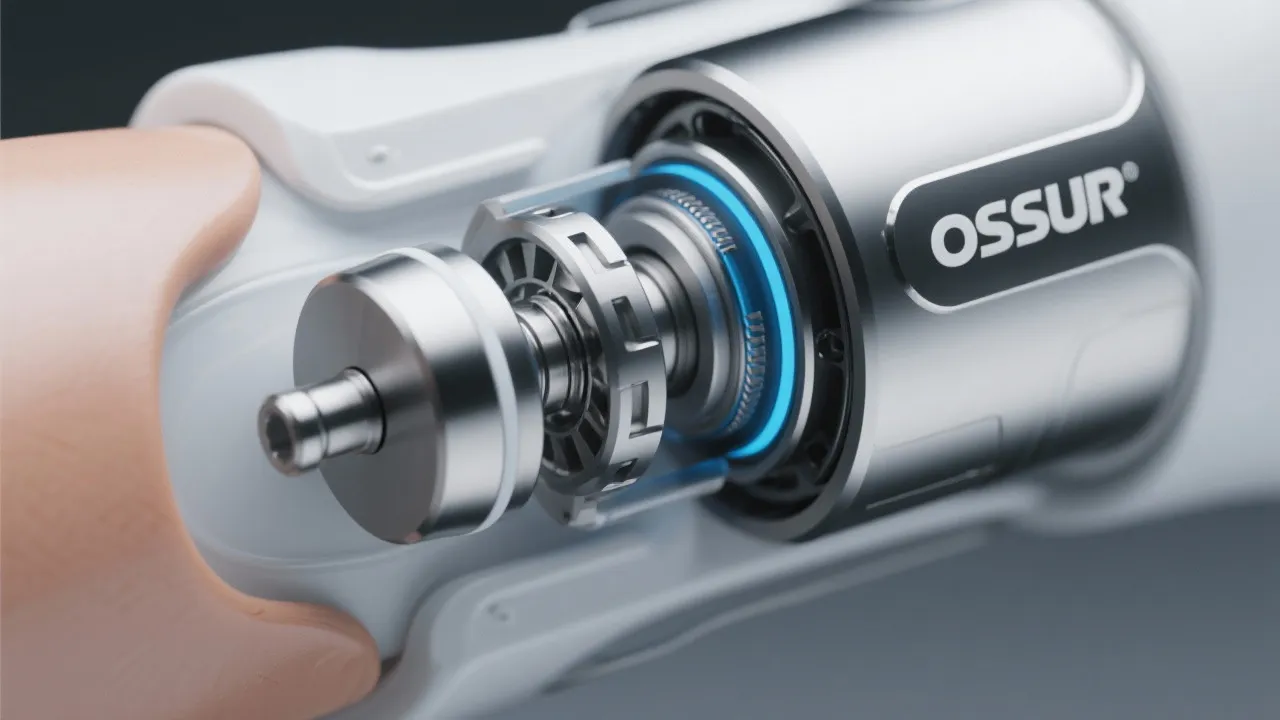
Ossur Valves represent a remarkable advancement in prosthetic technology, enhancing the comfort and functionality for users globally. These specialized valves are essential components in prosthetic limbs, facilitating pressure release and improving the overall fit, thereby contributing significantly to the quality of life and mobility for those who use them. In this article, discover the significance of Ossur Valves in optimizing prosthetic devices and explore their impact on the industry through detailed analysis and expert insights.

The Future with Ossur Valves
Ossur Valves are integral components in modern prosthetic devices, enhancing mobility and comfort for users worldwide. These engineering marvels offer profound advancements in prosthetic technology, allowing for dynamic movements and a more tailored experience for each individual. High-quality materials and cutting-edge design contribute to their prominent position in the industry.
Understanding Proportional Valves
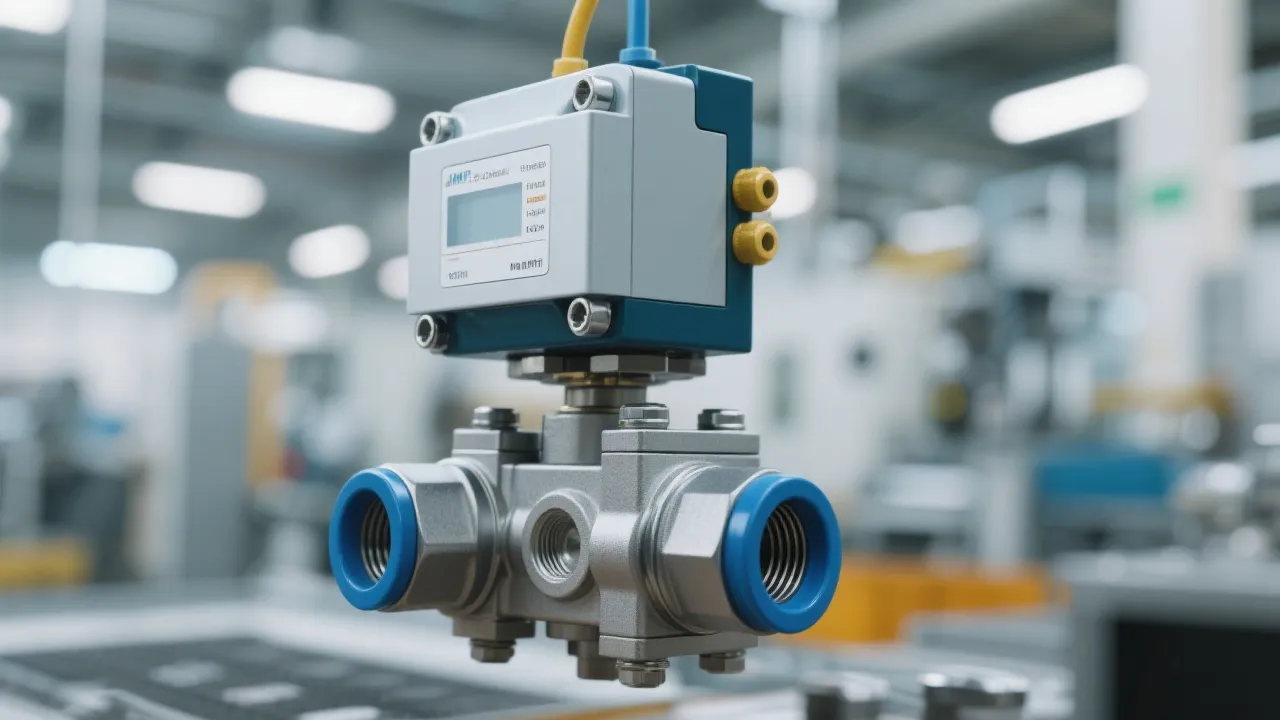
Proportional valves are hydraulic components vital for controlling fluid flow and pressure with high precision in various industrial applications. Their importance in automation and manufacturing settings stems from their ability to offer variable output in response to input signals, greatly enhancing system efficiency and performance.
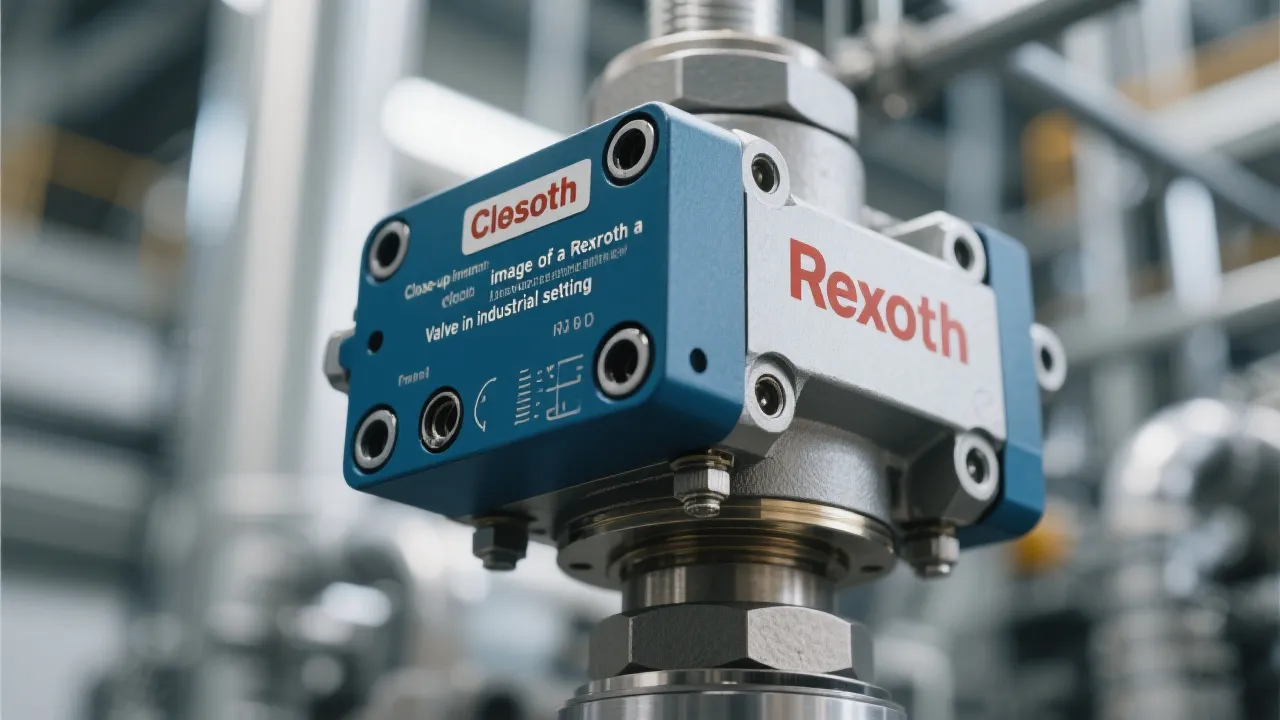
Understanding Rexroth Valve Systems
Rexroth Valves are quintessential components in various industrial applications, known for their precision and reliability. These hydraulic, pneumatic, and electrohydraulic valves regulate fluid flow in machinery, ensuring optimal performance and safety. Understanding their functionality and benefits is crucial for industries seeking efficiency and sustainability in their operations.
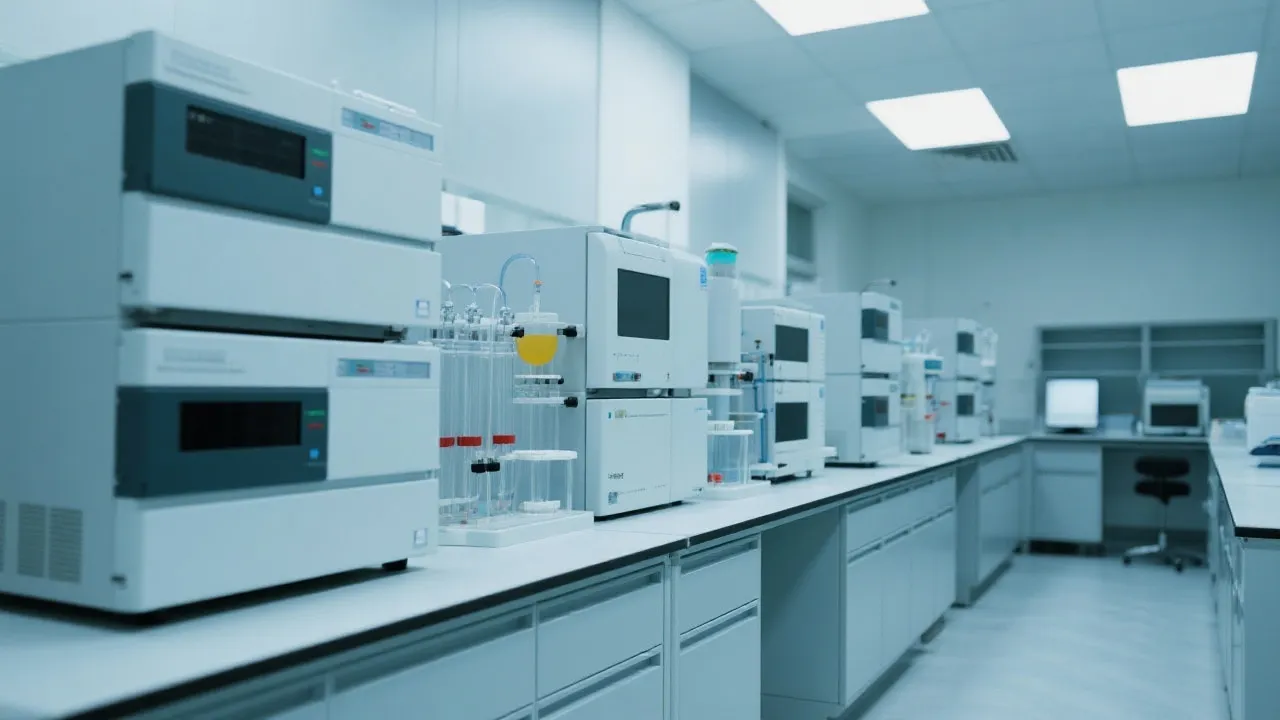
Unveiling Thermo Fisher Chromatography
This article explores the pivotal role of Thermo Fisher Chromatography in modern analytical science. Chromatography is crucial for separating compounds within mixtures, making it indispensable in industries such as pharmaceuticals and environmental testing. Thermo Fisher Scientific stands out in this field for its innovative solutions, leading to improved accuracy and efficiency in research and development.

Understanding Corrosion Inhibitor Manufacturers
In today's industrial landscape, corrosion inhibitor manufacturers play a crucial role in safeguarding equipment and infrastructure against corrosive damage. These manufacturers provide specialized chemicals that prevent corrosion in various environments, including industries such as oil and gas, marine, and construction. Understanding their operations and offerings is essential for selecting the right supplier and maintaining asset longevity.
