The ATEX enclosure is essential for ensuring safety in hazardous environments with explosive atmospheres. This article explores their role, benefits, and specifications of ATEX enclosures in industrial safety. Learn why these systems are critical for operations in industries like oil, gas, and chemical sectors.
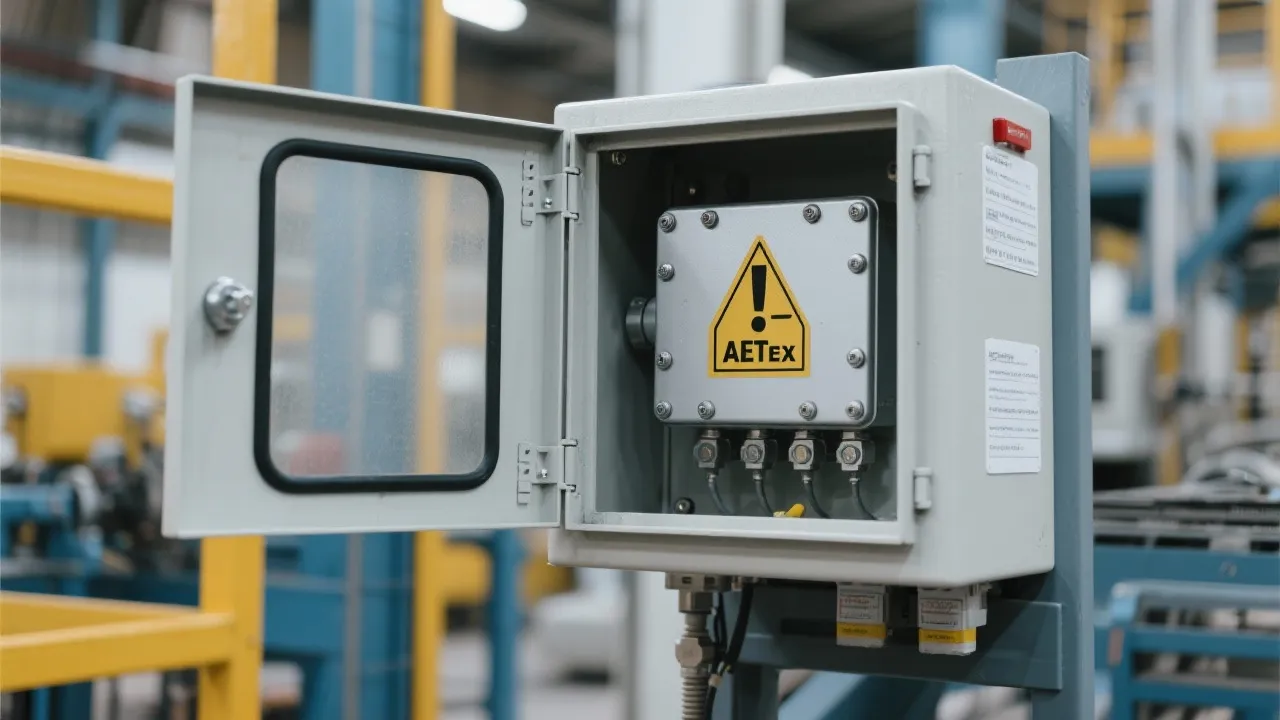
In the realm of industrial safety, ATEX (Atmosphères Explosibles) enclosures play a crucial role in minimizing risks associated with explosive atmospheres. These specialized systems are designed to confine electrical and non-electrical devices in environments where explosive gases, flammable dust, or volatile vapors may be present. Compliance with ATEX directives is not only a requirement under European Union law but is also a top practice for global safety standards. As industries evolve, the significance of these enclosures escalates, necessitating a deeper understanding of their functions, applications, and regulatory landscapes.
The primary function of an ATEX enclosure is to ensure that the housed components do not become ignition sources when they meet potentially explosive gases or dust particles. Utilizing these enclosures ensures that industries such as oil and gas, chemical manufacturing, and mining can operate safely and effectively. By containing electrical sparks or static discharge within the enclosure, they significantly cut down the likelihood of ignition, thereby preserving both workforce safety and infrastructure integrity.
However, the relevance of ATEX enclosures transcends mere compliance. In industries where explosive materials are handled, an explosion can not only lead to catastrophic human loss but also substantial destruction of property and environmental hazards. In such environments, ATEX enclosures serve as a first line of defense, providing a critical barrier against ignition sources, protecting personnel, and maintaining operational continuity. Beyond their safety applications, these enclosures are often pivotal in preventing costly downtime and ensuring regulatory bodies remain satisfied with safety standards.
ATEX enclosures must adhere to comprehensive testing and certification procedures to meet international standards. The current ATEX certification framework, outlined primarily in the ATEX 2014/34/EU directive, ensures that products have undergone rigorous examination. This standard provides guidelines for product design, where factors such as material composition, corrosion resistance, ingress protection rating, and operational temperature range are critically evaluated.
In addition to ATEX directives, various international standards play a role in defining the performance and reliability of enclosures. For instance, IEC (International Electrotechnical Commission) standards offer a global benchmark for equipment used in explosive atmospheres. Compliance with IECEx standards can further validate the safety of equipment, assuring users globally of their integrity.
Moreover, specialized certifications beyond ATEX are integral for certain sectors within the ATEX realm. These may include standards governing the use of enclosures in Zone 0, Zone 1, or Zone 2 environments, where explosion risks are distinctly categorized based on the frequency and duration of the presence of hazardous atmospheres. Understanding these classifications is critical for selecting the appropriate enclosure for specific applications.
Crafting an ATEX enclosure requires selecting materials that can withstand challenging environmental conditions, such as extreme temperatures and corrosive substances. Common materials include stainless steel and reinforced polycarbonate. Additionally, these materials must boast robust protection against water and dust penetration, evidenced by achieving a high Ingress Protection (IP) rating.
The enclosure's design also plays a pivotal role in its effectiveness. Factors such as ventilation, heat dissipation, and accessibility for maintenance must be considered during the design phase to ensure that the enclosure performs accurately under real-world conditions. Additionally, manufacturers use various techniques to enhance the durability and reliability of enclosures, from applying protective coatings to integrating shock absorption systems for environments that experience vibration or impact.
Furthermore, the aesthetics of ATEX enclosures are evolving with advancements in technology. While their primary function remains safety-oriented, there is a growing demand for enclosures that are not only functional but also visually appealing. The introduction of customizable designs allows industries to integrate safety features with corporate branding, enabling a more cohesive presence across facilities while ensuring compliance with necessary safety standards.
| Feature | Details |
|---|---|
| Material | Stainless Steel, Reinforced Polycarbonate |
| IP Rating | IP66 to IP68 |
| Temperature Range | -40°C to +100°C |
| Certification | Compliance with ATEX 2014/34/EU |
| Zone Classification | Zones 0, 1, 2, 20, 21, 22 |
| Ventilation | Passive and active options available |
| Customization | Branding, size, and feature adjustments available |
Proper installation and maintenance of ATEX enclosures are vital to ensuring the longevity and effectiveness of the safety systems. Trained technicians should perform routine inspections to assess the enclosure's structural integrity and check for signs of corrosion or wear and tear. Correct installation techniques, including secure mounting and airtight sealing, are imperative to withstand the rigors of explosive environments.
The maintenance procedures highly depend on the operational environment; thus, they should be tailored accordingly. For instance, enclosures in coastal areas where salt and moisture levels are high may require more frequent checks compared to those located inland. Additionally, dust-prone environments may necessitate regular cleaning protocols to prevent buildup that could compromise the function of the enclosure and increase the risk of ignition.
Documenting maintenance schedules and inspection results can provide a valuable resource for facilities, highlighting trends or emerging issues, thereby promoting proactive adjustments before they escalate into significant concerns. Furthermore, staff training on recognizing potential warning signs of enclosure failure plays a crucial part in ongoing maintenance, facilitating early remediation to avoid catastrophic events.
Moreover, emerging technologies are providing new tools for maintenance. For instance, predictive maintenance technologies powered by IoT (Internet of Things) can analyze real-time data from the enclosure's environment, alerting personnel to potential failures before they occur. Implementing such technologies can lead to decreased downtime and increased financial savings over the lifetime of the equipment.
ATEX directives are regulations set by the European Union to ensure equipment designed for use in explosive atmospheres is safe and standardized. These directives categorize environments at risk of explosion, requiring adherence to specific safety and performance standards for equipment and protective systems used in such settings.
The right material ensures durability and resistance to environmental stresses, essential to prevent enclosure breaches that could lead to catastrophic failures. Factors such as chemical compatibility, temperature resistance, and structural integrity of the material are paramount to long-term safety.
Assess the specific environmental conditions, potential exposure to hazardous substances, and required certification levels to determine the very suitable enclosure. Collaboration with safety experts, reviewing risk assessments, and evaluating the overall operational processes can lead to a well-informed decision regarding the right enclosure type.
Regular visual inspections, cleaning of the enclosures, checks for signs of corrosion, and ensuring seals are intact are vital maintenance practices. Furthermore, implementing a detailed documentation process for inspections and repairs enhances transparency and accountability in keeping the enclosures compliant with safety regulations.
While ATEX enclosures are designed specifically for explosive atmospheres, they can also be used in non-explosive settings due to their robust protection features. Industries choose these enclosures for their superior ingress protection and durability, assuring reliability across various operational contexts.
Incorporating ATEX enclosures within a safety management plan is an intelligent decision for any industry operating in hazardous environments. As experts in the field stress, these enclosures are not merely compliance requirements but essential components in maintaining workplace safety and procedural reliability. Ensuring that the enclosures are regularly inspected and meet current standards will protect both people and assets, contributing to a robust operational framework.
Ultimately, the proactive measures taken by industries to invest in high-quality ATEX enclosures reflect a commitment to safety, efficiency, and operational excellence. As technology, materials, and regulatory environments continue to evolve, so too will the innovations behind ATEX enclosures, paving the way for increased safety and efficiency in hazardous workplaces. The importance of proper training and adherence to best practices in installation and maintenance cannot be overstated, as these practices are critical to maximizing the lifespan and efficacy of ATEX systems. The future of industrial safety is inextricably linked to the advancement and implementation of ATEX solutions, solidifying their position as fundamental elements in the quest for a safe working environment.
Explore the Tranquil Bliss of Idyllic Rural Retreats

Ultimate Countdown: The 20 Very Legendary Gaming Consoles Ever!

Understanding Halpin and its Influence

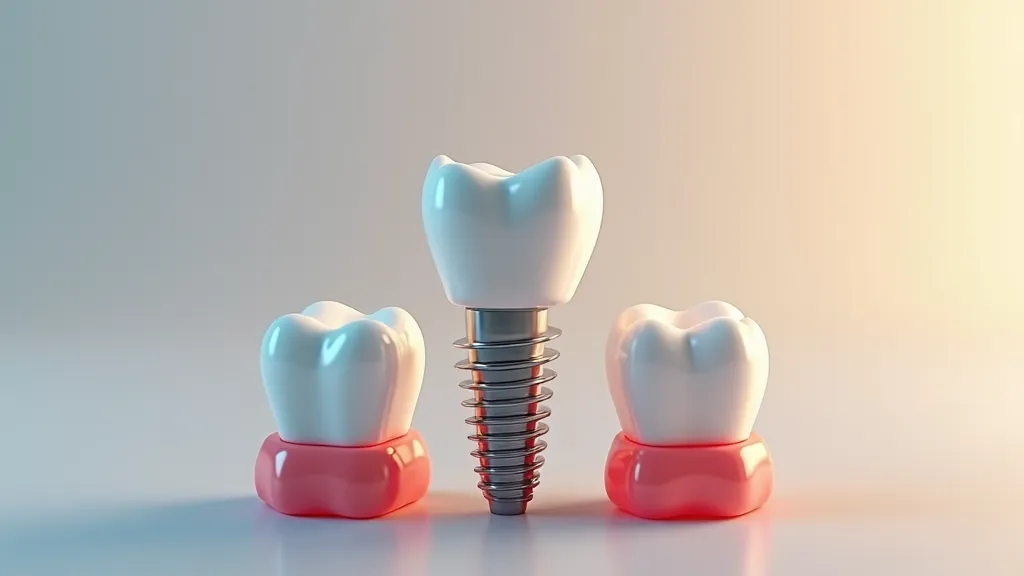
Affordable Full Mouth Dental Implants Near You
Discovering Springdale Estates

Illinois Dentatrust: Comprehensive Overview

Embark on Effortless Adventures: Unveiling the Top in Adventures Made Easy Outdoor Equipment

The Guide to Car Trading

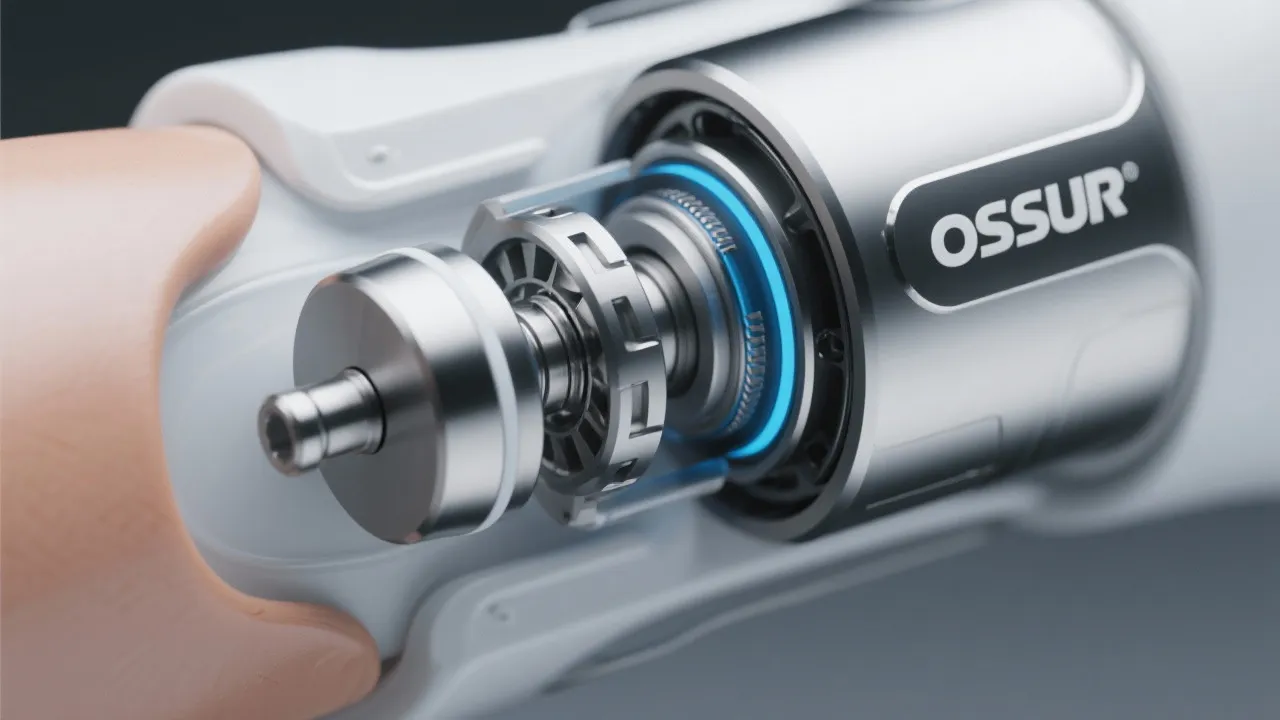
Unveiling Ossur Valves: Innovation in Prosthetics
Unveiling Ossur Valves: Innovation in Prosthetics
Ossur Valves represent a remarkable advancement in prosthetic technology, enhancing the comfort and functionality for users globally. These specialized valves are essential components in prosthetic limbs, facilitating pressure release and improving the overall fit, thereby contributing significantly to the quality of life and mobility for those who use them. In this article, discover the significance of Ossur Valves in optimizing prosthetic devices and explore their impact on the industry through detailed analysis and expert insights.

The Future with Ossur Valves
Ossur Valves are integral components in modern prosthetic devices, enhancing mobility and comfort for users worldwide. These engineering marvels offer profound advancements in prosthetic technology, allowing for dynamic movements and a more tailored experience for each individual. High-quality materials and cutting-edge design contribute to their prominent position in the industry.
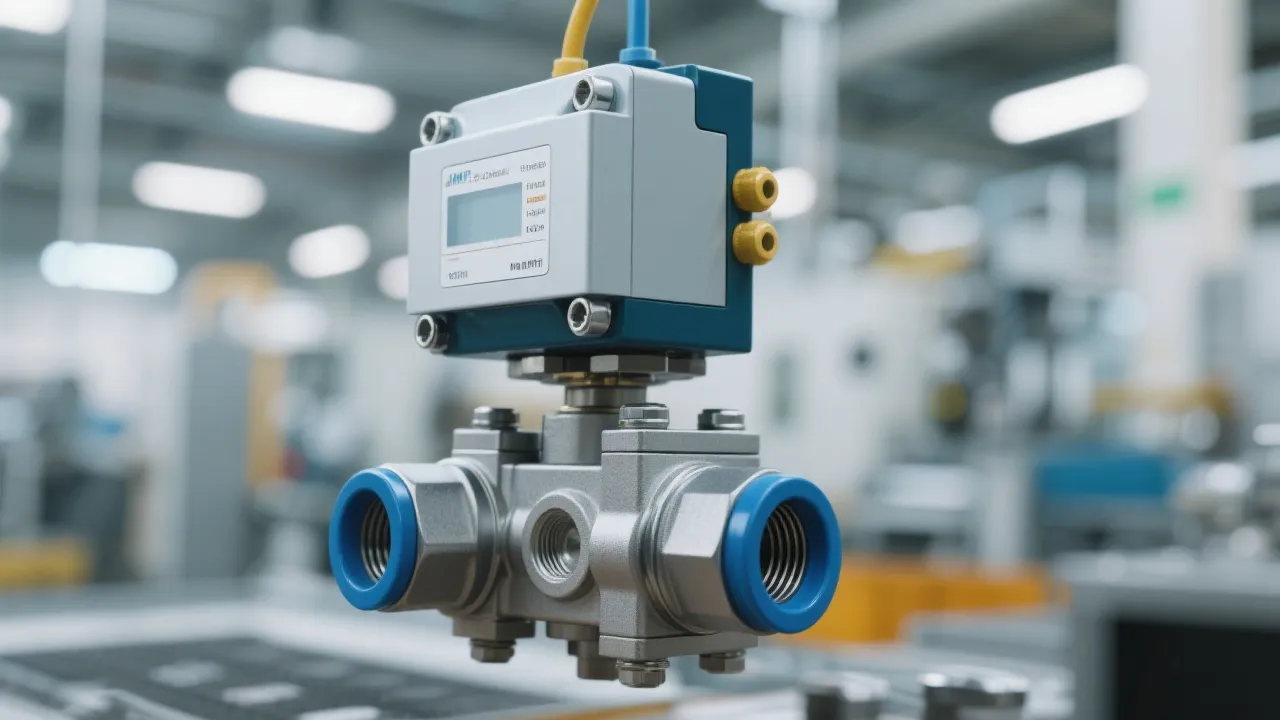
Understanding Proportional Valves
Proportional valves are hydraulic components vital for controlling fluid flow and pressure with high precision in various industrial applications. Their importance in automation and manufacturing settings stems from their ability to offer variable output in response to input signals, greatly enhancing system efficiency and performance.
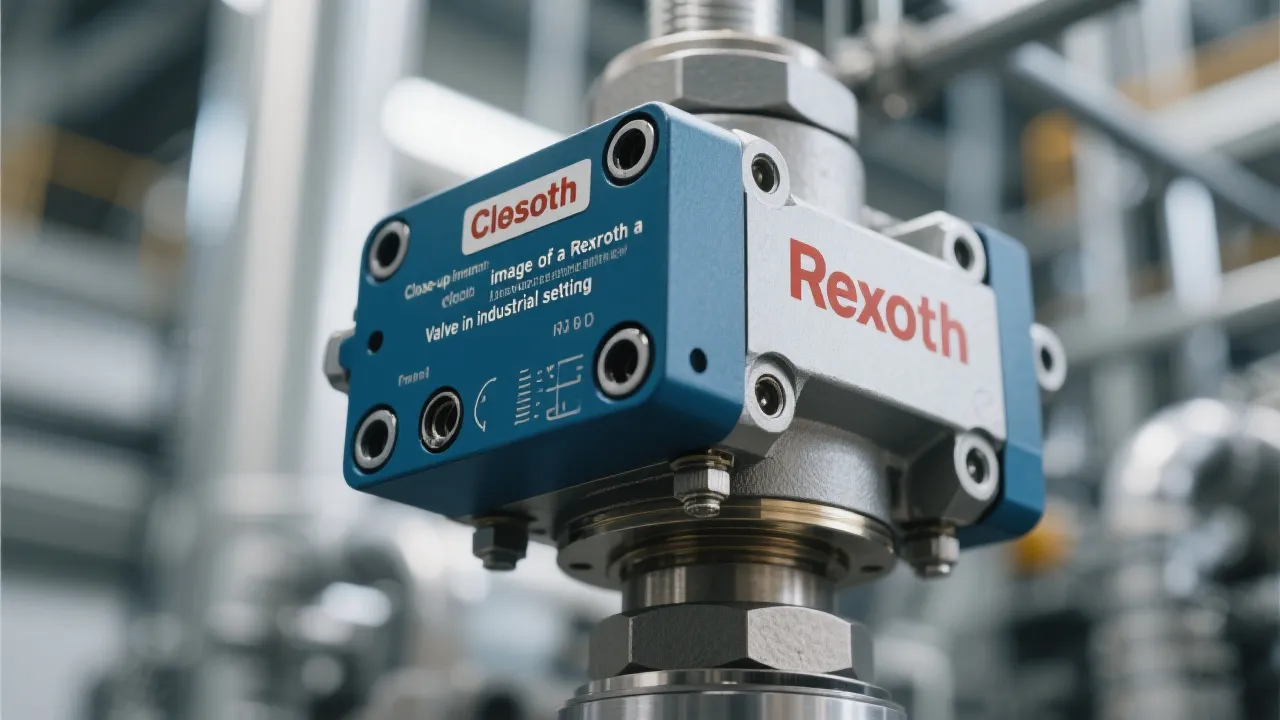
Understanding Rexroth Valve Systems
Rexroth Valves are quintessential components in various industrial applications, known for their precision and reliability. These hydraulic, pneumatic, and electrohydraulic valves regulate fluid flow in machinery, ensuring optimal performance and safety. Understanding their functionality and benefits is crucial for industries seeking efficiency and sustainability in their operations.
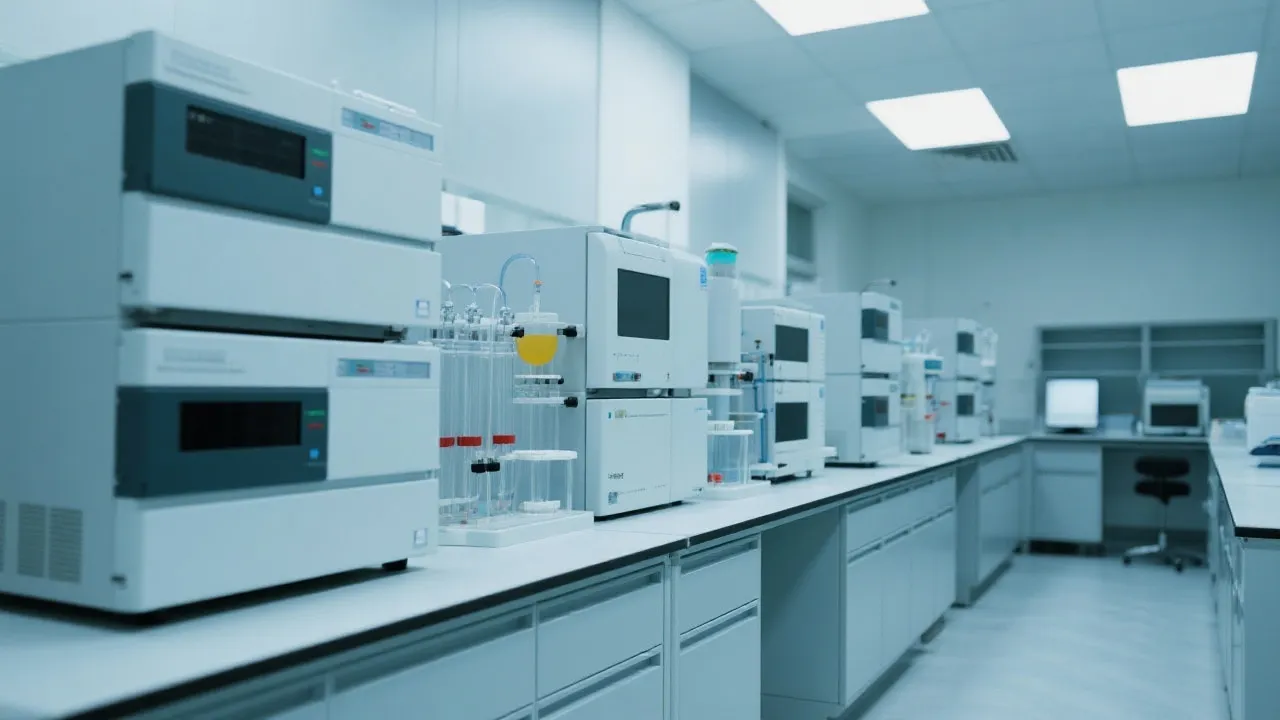
Unveiling Thermo Fisher Chromatography
This article explores the pivotal role of Thermo Fisher Chromatography in modern analytical science. Chromatography is crucial for separating compounds within mixtures, making it indispensable in industries such as pharmaceuticals and environmental testing. Thermo Fisher Scientific stands out in this field for its innovative solutions, leading to improved accuracy and efficiency in research and development.

Understanding Corrosion Inhibitor Manufacturers
In today's industrial landscape, corrosion inhibitor manufacturers play a crucial role in safeguarding equipment and infrastructure against corrosive damage. These manufacturers provide specialized chemicals that prevent corrosion in various environments, including industries such as oil and gas, marine, and construction. Understanding their operations and offerings is essential for selecting the right supplier and maintaining asset longevity.
