Atex enclosures are specialized containment solutions designed for hazardous environments, ensuring safety through stringent standards. These enclosures are integral to industries where explosive atmospheres are present, such as oil and gas, chemicals, and pharmaceuticals. Designed to prevent explosions, they play a crucial role in protecting both personnel and equipment by containing potential ignition sources.
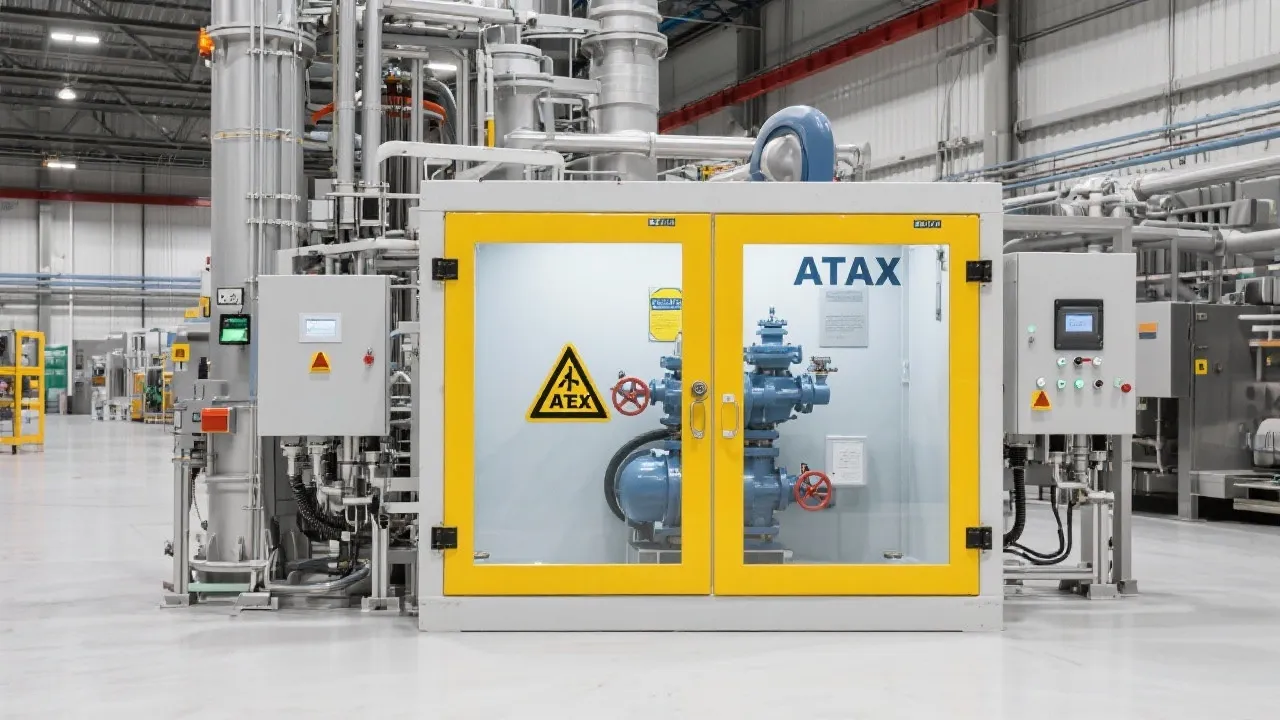
In industrial settings where safety is paramount, Atex enclosures emerge as vital components primarily used to prevent explosions in potentially hazardous environments. These sophisticated systems are largely deployed in sectors dealing with explosive atmospheres such as oil refineries, chemical plants, and pharmaceutical facilities. With stringent safety regulations enforced across various sectors, the importance of such enclosures cannot be overstated. They not only protect assets but also safeguard human lives and enhance operational efficiency through risk mitigation.
Atex enclosures are designed to contain and isolate electrical and non-electrical equipment that may pose ignition risks. Their construction involves materials and designs that prevent any internal explosion or spark from spreading to the external environment, thereby protecting the workspace and personnel. This containment is crucial; even a small spark in an explosive atmosphere can lead to catastrophic consequences. Atex enclosures convert these potential disaster scenarios into safe working environments, integrating technology with safety protocols.
Adhering to the European Union directives, particularly the Atex 95 (94/9/EC), these enclosures are mandatory for operations in hazardous zones, profoundly influencing the safety protocols in industries globally. The implementation of Atex standards has led to a notable decrease in accidents related to explosive atmospheres. Organizations that utilize Atex-compliant equipment will not only meet legal obligations but also enhance their reputation for safety and reliability within their respective industries.
The robust design of an Atex enclosure includes several critical components. These typically involve:
The design of these enclosures is underpinned by a set of rigorous testing standards to withstand specific environmental conditions, including temperature and pressure variations. Various external factors must also be considered during design to ensure operational efficacy, including vibration resistance for equipment in harsh environments like offshore drills, thus further contributing to their reliability.
A wide array of industries benefit from Atex enclosures. Some of the very common applications include:
The precision in manufacturing these enclosures ensures compliance with safety regulations, making them indispensable in managing operational risks. In addition, the flexibility of Atex enclosure designs caters to personalized safety needs in distinct industrial environments, across diverse operations, thus broadening their applicability.
| Aspect | Features | Considerations |
|---|---|---|
| Design | Various sizes and configurations. | Customization based on industry needs. |
| Material | Stainless steel and aluminum. | Corrosion resistance vs. weight. |
| Testing | Stringent EU standards. | Adherence varies by region. |
| Cost | Price varies with material and complexity. | Long-term savings on maintenance vs. initial investment. |
| Technology Integration | Compatibility with smart sensors. | Consider in-built monitoring systems for enhanced safety. |
When selecting a supplier for Atex enclosures, one must assess several factors:
The maintenance of Atex enclosures is essential to ensure they continue to function effectively and meet safety standards. Regular inspections help identify potential issues before they lead to failures. Here are some key considerations regarding maintenance:
As industries evolve, Atex enclosures must adapt to new technologies and demands. With the rise of smarter industries, integrating IoT (Internet of Things) devices into these enclosures allows for real-time monitoring and data collection. This advancement can significantly enhance safety protocols by providing timely alerts of potential hazards. Further advancements in materials and design, focusing on lightweight yet durable compositions, are also paving the way for improved functionality and versatility.
Moreover, as manufacturers continue to innovate, there is a growing focus on sustainability, leading to the development of enclosures that are not only effective but also environmentally friendly. This trend toward sustainable practices reflects the changing industrial landscape where environmental impact holds equal weight alongside safety.
In conclusion, Atex enclosures play an essential role in industrial safety, ensuring operations proceed without risking personnel or equipment. Understanding their specifications and ensuring proper procurement are critical to implementing these systems effectively. As the demand for safety and innovation continues to rise, Atex enclosures will undoubtedly evolve, foster partnership with technology, and pave the way for safer industrial practices globally.
Explore the Tranquil Bliss of Idyllic Rural Retreats

Ultimate Countdown: The 20 Very Legendary Gaming Consoles Ever!

Understanding Halpin and its Influence

Affordable Full Mouth Dental Implants Near You

Discovering Springdale Estates

Illinois Dentatrust: Comprehensive Overview

Embark on Effortless Adventures: Unveiling the Top in Adventures Made Easy Outdoor Equipment

The Guide to Car Trading

Unveiling Ossur Valves: Innovation in Prosthetics
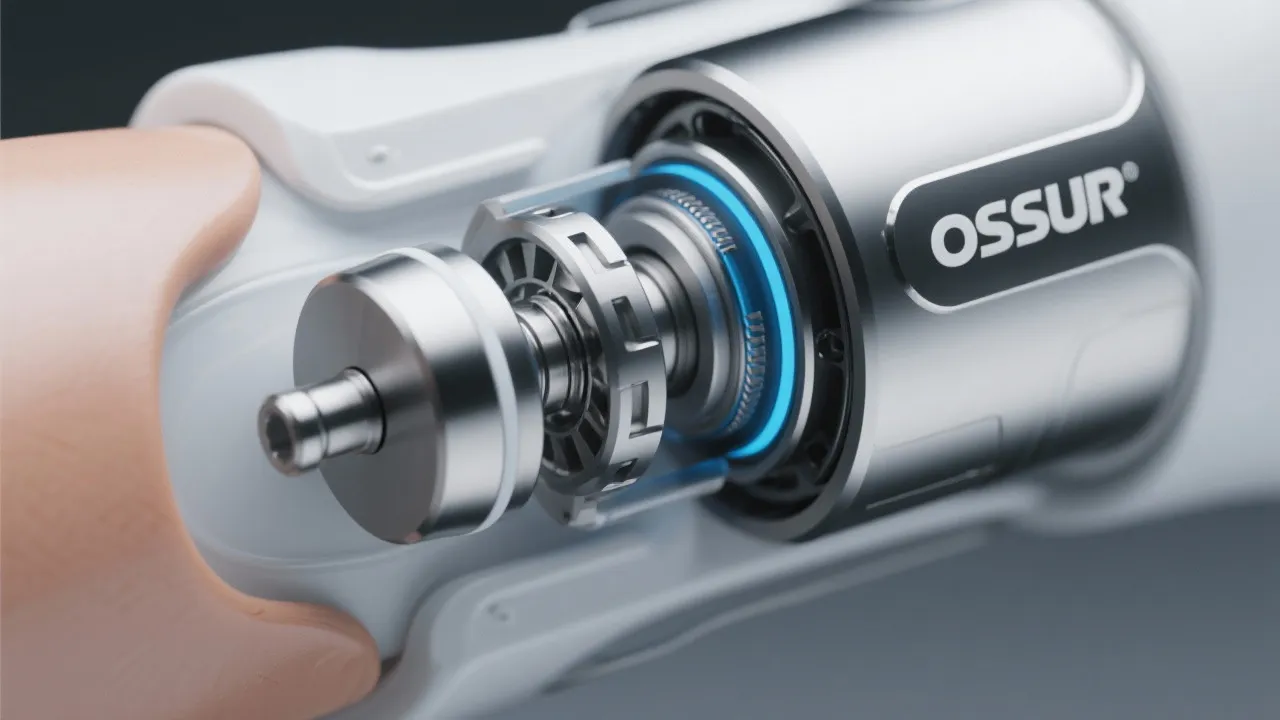
Unveiling Ossur Valves: Innovation in Prosthetics
Ossur Valves represent a remarkable advancement in prosthetic technology, enhancing the comfort and functionality for users globally. These specialized valves are essential components in prosthetic limbs, facilitating pressure release and improving the overall fit, thereby contributing significantly to the quality of life and mobility for those who use them. In this article, discover the significance of Ossur Valves in optimizing prosthetic devices and explore their impact on the industry through detailed analysis and expert insights.

The Future with Ossur Valves
Ossur Valves are integral components in modern prosthetic devices, enhancing mobility and comfort for users worldwide. These engineering marvels offer profound advancements in prosthetic technology, allowing for dynamic movements and a more tailored experience for each individual. High-quality materials and cutting-edge design contribute to their prominent position in the industry.
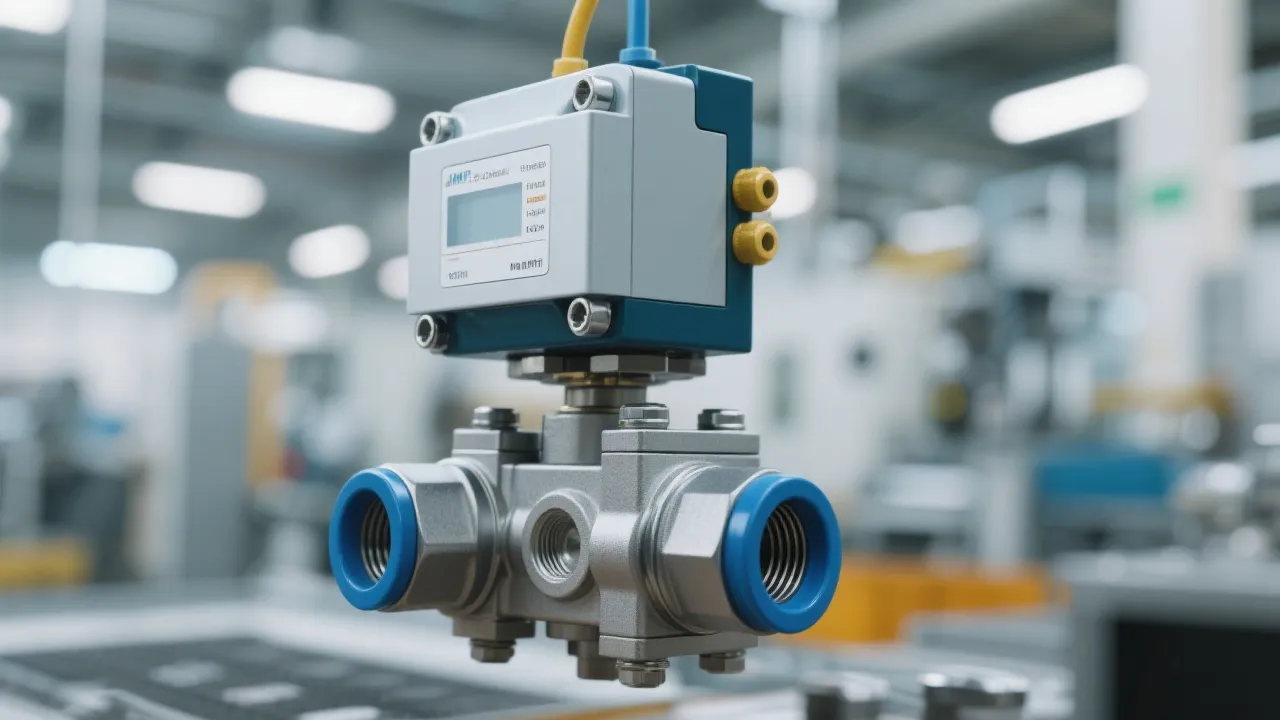
Understanding Proportional Valves
Proportional valves are hydraulic components vital for controlling fluid flow and pressure with high precision in various industrial applications. Their importance in automation and manufacturing settings stems from their ability to offer variable output in response to input signals, greatly enhancing system efficiency and performance.
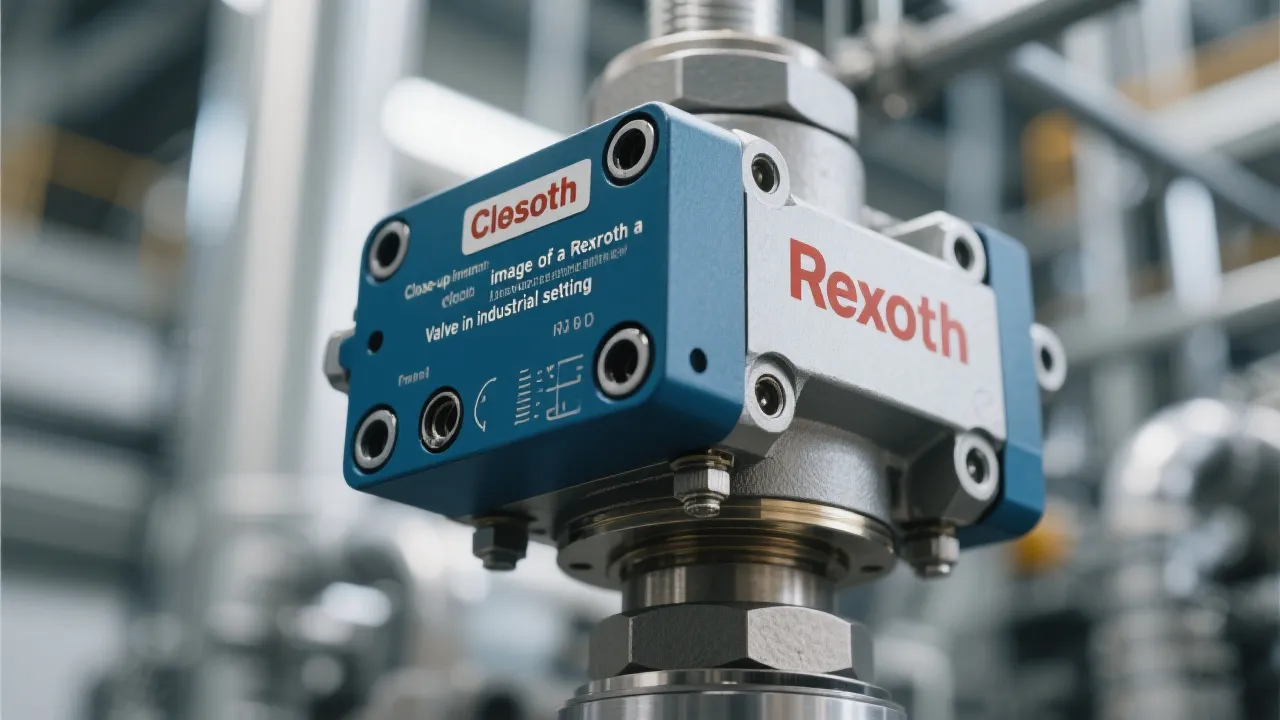
Understanding Rexroth Valve Systems
Rexroth Valves are quintessential components in various industrial applications, known for their precision and reliability. These hydraulic, pneumatic, and electrohydraulic valves regulate fluid flow in machinery, ensuring optimal performance and safety. Understanding their functionality and benefits is crucial for industries seeking efficiency and sustainability in their operations.
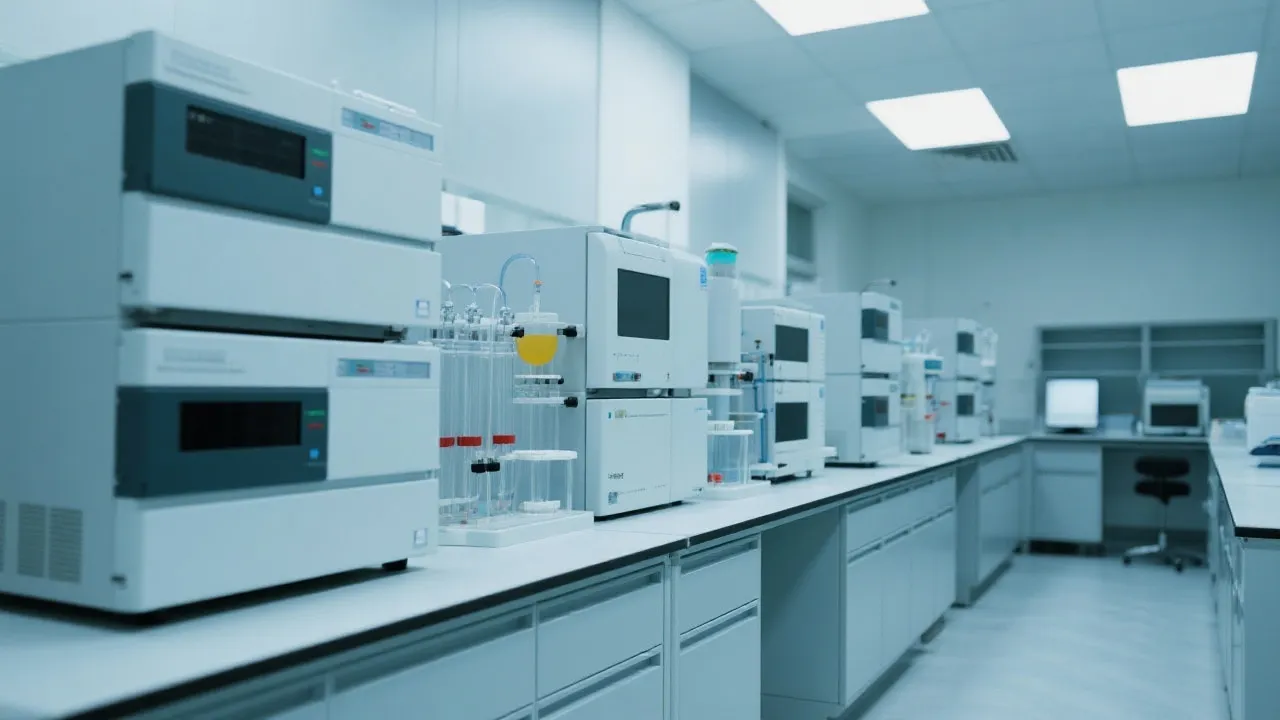
Unveiling Thermo Fisher Chromatography
This article explores the pivotal role of Thermo Fisher Chromatography in modern analytical science. Chromatography is crucial for separating compounds within mixtures, making it indispensable in industries such as pharmaceuticals and environmental testing. Thermo Fisher Scientific stands out in this field for its innovative solutions, leading to improved accuracy and efficiency in research and development.

Understanding Corrosion Inhibitor Manufacturers
In today's industrial landscape, corrosion inhibitor manufacturers play a crucial role in safeguarding equipment and infrastructure against corrosive damage. These manufacturers provide specialized chemicals that prevent corrosion in various environments, including industries such as oil and gas, marine, and construction. Understanding their operations and offerings is essential for selecting the right supplier and maintaining asset longevity.
