This guide explores dental coverage options available for seniors on Medicare. Dental care is a fundamental aspect of health, particularly for seniors who may require regular checkups, treatments, and possibly complex procedures. Understanding what Medicare covers and exploring additional aids can significantly influence the dental care accessible to seniors.

As the population ages, the importance of dental care becomes more pronounced, particularly for seniors who may face financial barriers to accessing necessary care. For many elderly individuals, dental health is a crucial component of overall well-being that influences their quality of life, self-esteem, and physical health. However, navigating dental coverage within the Medicare system can be perplexing due to its limitations. In this article, we aim to dissect the intricacies of Medicare dental coverage for seniors, providing clarity and options for those seeking affordable dental care.
Dental care is vital for seniors not only for aesthetic reasons but also for general health. Oral health problems such as gum disease, tooth decay, and other dental issues can lead to considerable complications if left untreated. Poor oral health is linked to various systemic diseases, including cardiovascular disease, diabetes, and respiratory infection. Furthermore, discomfort from dental problems can cause dietary limitations, leading to nutritional deficiencies and a diminished quality of life.
Regular dental check-ups and cleanings are integral in preventing these issues, but the financial challenges faced by seniors can make maintaining a healthy smile increasingly difficult. Understanding the extent of dental coverage available through Medicare is essential for making informed choices about personal dental health care.
Medicare is divided into several parts, each addressing different health care needs. Medicare Part A primarily covers hospital insurance, including inpatient accommodations and care for certain medical conditions. Interestingly, while Part A may cover dental services in limited situations, it generally does not extend to routine dental care.
Services such as routine cleanings, fillings, tooth extractions, dentures, and other preventive dental care are not covered under Original Medicare. However, there are exceptions; notably, if dental procedures are necessary to support another medical procedure, such as jaw reconstruction following an accident, Part A may provide coverage.
Medicare also includes Part B, which addresses outpatient care, but its dental coverage mirrors that of Part A, remaining limited to certain circumstances. For many seniors, this lack of comprehensive coverage pushes them to seek alternative options to manage dental expenses effectively. The most promising alternative comes in the form of Medicare Advantage Plans.
Medicare Advantage Plans, or Part C, are offered by private insurance companies that contract with Medicare to provide all Part A and Part B benefits. An appealing aspect of these plans is that they may include additional benefits that Original Medicare does not provide, some of which are dental-related.
Many Medicare Advantage Plans offer dental coverage that can include services such as routine cleanings, oral exams, X-rays, and even some restorative treatments like fillings or root canals. However, seniors should be aware that these plans can vary widely in terms of coverage, costs, and network restrictions. It’s essential to carefully compare options based on individual needs and preferences. This can include evaluating the types of dental services covered, co-payments for visits, and the list of participating dental providers.
In addition to the basic plan features, certain Medicare Advantage Plans may provide coverage for additional services like vision or hearing care, which can further enhance overall health care for seniors. Seniors considering these plans should not only assess dental benefits but also their comprehensive offering to ensure that their broader health care needs are met.
For seniors who find traditional Medicare and Medicare Advantage plans lacking in dental coverage, supplemental dental insurance can be an effective solution. These plans are tailored to provide comprehensive dental coverage, making them an attractive option for those who prioritize oral health.
Supplemental dental insurance plans typically cover a more extensive range of services, including preventive care such as routine cleanings, check-ups, and necessary restorative procedures like crowns, bridges, and implants. Costs can vary significantly based on the plan chosen, with factors such as monthly premiums, deductibles, and co-pays influencing overall affordability.
Seniors should investigate various insurance providers to find plans that offer suitable coverage at a reasonable price. Sites comparing dental plans can simplify the search process, allowing for side-by-side evaluations based on coverage specifics, costs, and the accessibility of services.
Additionally, dental discount plans or dental savings plans can be an alternative for seniors who might find insurance premiums expensive. These plans typically offer reduced fees at participating dental practices, allowing members to pay lower rates for services without going through traditional insurance routes. It can lead to substantial savings, especially for individuals who anticipate needing ongoing dental care.
For seniors seeking to stretch their dental care budgets, numerous low-cost dental options are available that ensure access to necessary services without overwhelming financial burdens. Here are some viable options worth exploring:
These low-cost alternatives can empower seniors to maintain their oral health, enabling them to seek out necessary care without accumulating substantial debt. It’s essential for individuals to remain proactive in their search for affordable options, as dental health is crucial to overall wellness.
When examining the costs associated with dental care, it’s essential to understand that pricing varies dramatically across different countries. Factors influencing these costs include economic conditions, health care systems, and local practices. Below is a comparative analysis of dental costs in several countries, highlighting the financial commitment involved in obtaining dental care:
| Country | Currency | Cost Range |
|---|---|---|
| United States | USD | $3,000 - $6,000 |
| United Kingdom | GBP | £2,000 - £2,500 |
| Australia | AUD | AU$3,500 - AU$6,500 |
| Canada | CAD | CA$3,000 - CA$5,500 |
| Mexico | MXN | $40,000 - $70,000 |
| India | INR | ₹50,000 - ₹120,000 |
This data provides a clear perspective on the relative costs placed on dental care worldwide. For seniors considering the possibility of seeking dental treatment outside of their home countries, these cost figures may illuminate the significant savings that can be realized through dental tourism.
In the quest for affordable dental care, particularly in relation to dental implants, it’s crucial to perform due diligence in selecting a provider. Below is a comparison of several known low-cost dental implant providers, showcasing their services, strengths, and offerings:
| Provider | Description |
|---|---|
| Dental Views | Focused on low-cost dental implants, providing detailed information on benefits and costs associated with various procedures. |
| Atlantic Dental Group | Offers a comprehensive range of dental services, including implants and emergency care while maintaining overall affordability. |
| DentaVacation | Specializes in dental tourism, providing cost-effective solutions for individuals seeking procedures abroad with high standards of care. |
Source: Dental Views, Atlantic Dental Group, DentaVacation
For English-speaking seniors searching for low-cost dental implants, several routes can be explored to reduce expenses effectively. Local clinics may offer student discounts or special financing options designed for seniors requiring dental implants. Financing options can break down the overall costs into manageable monthly payments, providing an avenue for affordability.
Moreover, many individuals are increasingly turning to overseas dental tourism, where treatments may be offered at significantly lower costs without compromising on the quality of care. Countries such as Mexico, Costa Rica, and Hungary are known for their reputable dental clinics that attract international patients. These clinics often have dentists trained in the United States or Europe, ensuring that the quality of service is comparable, if not superior, to domestic options.
Engaging in research to assess international clinics thoroughly is essential. Considerations should include the facility's accreditation, patient reviews, the professional qualifications of the dental staff, and post-treatment care options offered. While the idea of traveling abroad for dental treatment can seem daunting, comprehensive planning can pave the way for successful outcomes without imposing financial strain.
1. What are my dental care options under Medicare?
Traditionally, Medicare has limited dental coverage, primarily covering only significant dental procedures when tied to medical care. Medicare Advantage plans often provide supplemental dental benefits that may include cleanings, exams, and fillings.
2. Are dental implants covered by Medicare?
Medicare generally does not cover dental implants or associated services. However, some supplemental dental insurance plans might provide partial coverage or assistance.
3. What should I consider when choosing a Medicare Advantage Plan?
When selecting a Medicare Advantage Plan, evaluate offered dental benefits, review constraints within provider networks, and analyze related costs, including premiums and co-pays.
4. Can I get dental care in a different country for less?
Yes, many seniors are successfully seeking treatment abroad due to the lower rates associated with dental services. Conduct thorough research to identify reputable clinics and practices to ensure top-notch care.
5. How can I find a good community clinic for dental care?
Look for local community health centers or federally qualified health centers that provide dental services. Outreach programs often list available services online to assist seniors in locating care options nearby.
Dental care for seniors requires a proactive approach to navigate the complexities of Medicare and available options effectively. With traditional Medicare providing limited coverage, seniors are encouraged to explore Medicare Advantage plans, supplemental dental insurance, and various community resources. Each choice should be carefully evaluated based on individual health needs, financial capabilities, and preferred dental services.
As dental health plays an integral role in overall wellness, being well-informed about the coverage options available can empower seniors to access necessary dental care without facing exorbitant costs. Through thoughtful planning and community initiatives, seniors can maintain their oral health, enhancing their quality of life for years to come.
1). The above information is gathered from various online resources and is accurate as of October 2023. 2). Dental implant prices are subject to regional, clinic, and practitioner variations which can affect overall cost.
References: Dental Views, Atlantic Dental Group, DentaVacation
Striking the Perfect Balance: Navigating Premiums and Out-of-Pocket Expenses in Senior Insurance Plans

Explore the Tranquil Bliss of Idyllic Rural Retreats

How to Make Lasting Memories at Disneyland Attractions

Affordable Full Mouth Dental Implants Near You

Unlock the Top Kept Secrets to Finding Your Ideal Dentist for Flawless Dental Implant Results!

Discovering Springdale Estates

The Guide to Car Trading

Unlock the Full Potential of Your RAM 1500: Master the Art of Efficient Towing!

Understanding Royal Canin Maxi Adult

Affordable Full Mouth Dental Implants Near You
Discover options for affordable full mouth dental implants, including clinical trials and local dental services that offer cost-effective solutions.
Understanding Full Mouth Dental Implant Prices
Explore the costs and factors influencing full mouth dental implants for seniors and others.

Affordable Dental Implants Near You
Discover low-cost dental implants and quick solutions to fix your teeth with full mouth options available near you.
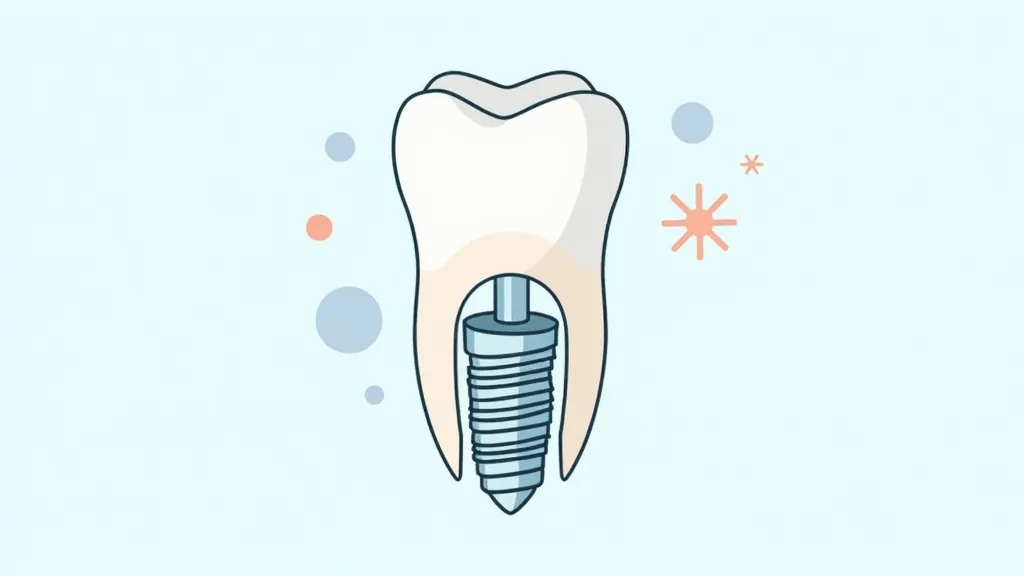
Understanding Dental Implant Prices and Options
Explore dental implant costs, funding, and full mouth options for a confident smile in 2025.
Affordable Dental Implants Near Me: Your Guide
Discover affordable dental implants, funding options, and fast solutions for fixing your teeth near you in 2025.

Affordable Dental Implants Near Me
Discover low-cost dental implants and financing options for seniors in your area.
