This article explores the intersection of dental services and Medicare coverage, offering an in-depth perspective on the extent to which oral health procedures are subsidized by this essential national program. Understanding what dental services are covered by Medicare can help individuals manage healthcare costs effectively and plan accordingly for their oral health needs.
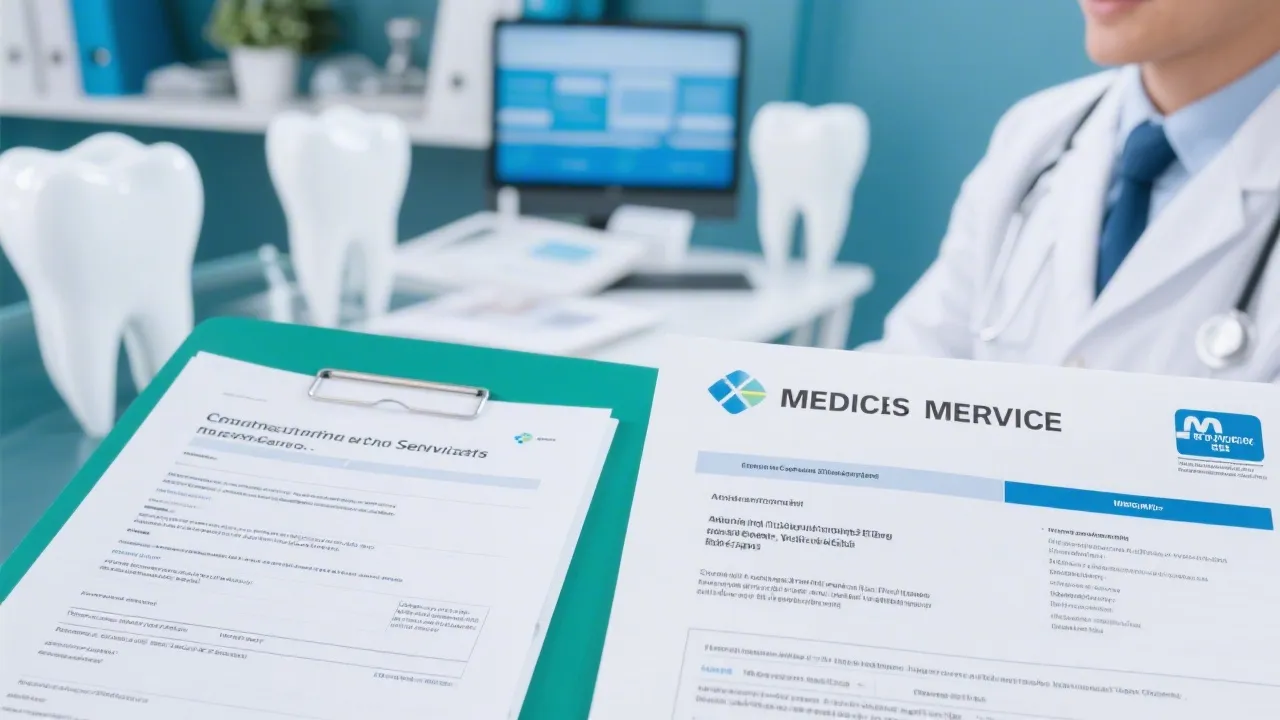
Medicare, a cornerstone of healthcare coverage for many individuals, especially those over 65, typically offers extensive benefits covering hospital stays, outpatient care, and various medical necessities. However, when it comes to dental services, the landscape changes significantly. Many are left wondering, "What dental services are covered by Medicare?" This crucial question necessitates an exploration of Medicare's policy regarding dental healthcare to guide beneficiaries on eligibility and coverage.
Contrary to what many might expect from such a comprehensive healthcare program, traditional Medicare does not provide coverage for very routine dental care. This includes checkups, cleanings, fillings, tooth extractions, dentures, and other common dental services. The reasoning dates back to the original legislation when Medicare was designed, focusing primarily on essential hospital and medical needs. The absence of dental coverage is often a source of frustration for beneficiaries who may need these essential services as they age.
Moreover, this limitation highlights a broader discussion regarding the importance of oral health and its connection to overall well-being. Numerous studies have shown that poor dental health can lead to more serious health issues, including heart disease, diabetes, and respiratory infections, making the lack of dental coverage under Medicare particularly concerning. With aging populations and the rising cost of dental care, addressing these concerns with actionable solutions is vital for beneficiaries relying on Medicare for their healthcare needs.
Nevertheless, Medicare offers limited dental coverage under specific circumstances. It pays for dental services that are integral to some medical treatments. For instance, if you need dental procedures in preparation for radiation treatment for jaw-related neoplasms, or perhaps as part of broader illness management where dental work is a prerequisite, Medicare may step in. There is also coverage for hospital-related dental emergencies, such as when a dental procedure must be performed in a hospital due to the complexity or risk involved.
This selective coverage underscores the fact that while Medicare may not cover routine dental care, it recognizes that there are incidences where dental health directly affects a patient's overall health status. Thus, those with acute medical conditions requiring dental intervention should be aware of this coverage to ensure they receive necessary treatments without incurring out-of-pocket expenses. It is crucial for beneficiaries to work closely with their healthcare providers to identify circumstances under which dental services may be covered, ensuring they do not overlook potential benefits.
For those requiring routine dental services, Medicare Advantage Plans, also known as Part C, could be a viable alternative. These plans, offered by private insurers, integrate traditional Medicare coverage with additional health benefits, often including routine dental services at an additional premium. This avenue can significantly enhance a beneficiary's healthcare experience by providing more comprehensive coverage that includes preventive dental services.
Medicare Advantage Plans can vary widely in terms of coverage, costs, and network of providers, which means that beneficiaries should carefully evaluate their options based on their personal health needs and budget. Some plans may cover a wide array of dental services such as cleanings, fillings, or even orthodontic work, depending on the specifics of the policy. Despite possibly higher premiums, the inclusion of dental care may lead to savings in the long run, alleviating future dental expenses and enabling beneficiaries to maintain their oral health.
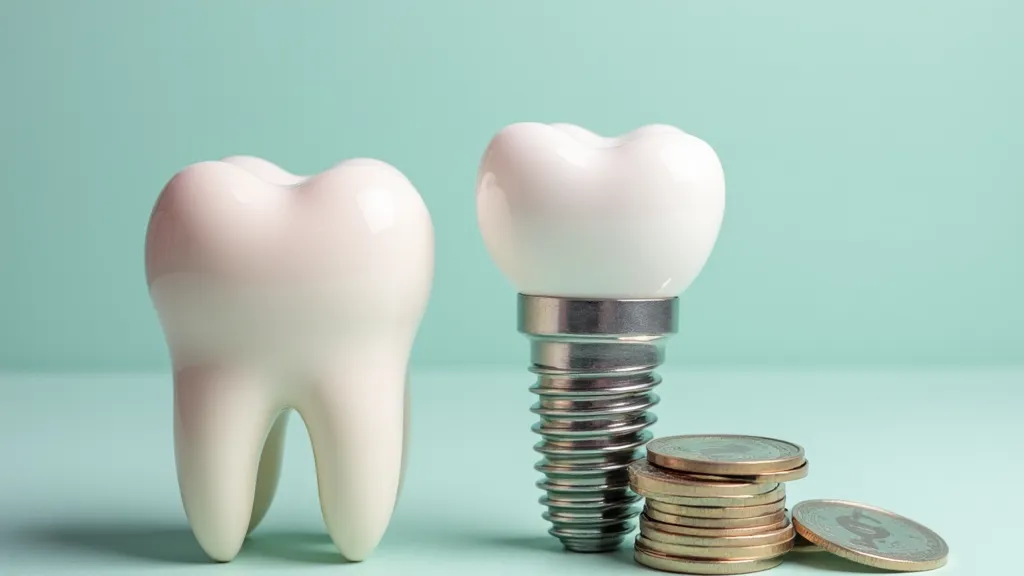
As dental implants rank among the more costly dental procedures, understanding available resources can significantly ease the financial burden. Dental implants can often cost thousands of dollars, making it imperative for patients to explore various avenues to reduce their expenses. Here, we will analyze some valuable resources that can help individuals access cost-effective dental implants.
| Website | Features |
|---|---|
| Dental Views | Specializes in low-cost dental implants, offering detailed cost breakdowns and procedural insights. |
| Atlantic Dental Group | Provides comprehensive dental care options, including implants, with information on scheduling and professional teams. |
| DentaVacation | Aggregates data on international dental tourism for cost comparison and quality service matching. |
Source: Dental Views, Atlantic Dental Group, DentaVacation
For English-speaking countries, varied strategies can be employed to reduce the cost of dental implants:
| Country | Currency | Price Range |
|---|---|---|
| United States | USD | $3,000 - $6,000 |
| United Kingdom | GBP | £2,000 - £2,500 |
| Australia | AUD | AU$3,500 - AU$6,500 |
| Canada | CAD | CA$3,000 - CA$5,500 |
Understanding the limited nature of dental coverage under traditional Medicare can encourage beneficiaries to actively explore alternative avenues for their dental care needs. In addition to Medicare Advantage Plans, there are a variety of options, such as purchasing supplemental insurance plans specifically designed to provide broader coverage, which can significantly help in addressing dental expenses. Some employers may also offer dental benefits as part of their retirement packages, which could serve as an excellent safeguard for retirees.
Moreover, maintaining a preventive approach towards dental health can help minimize the need for expensive procedures like implants. Regular check-ups, cleanings, and practicing good oral hygiene can stave off many of the problems that lead to costly interventions later on. This underscores the importance of integrating oral health into one's overall health maintenance routine, thereby reducing risk factors for severe dental issues.
In addition to traditional methods and resources, innovative solutions continue to emerge in the dental care industry. Teledentistry, for example, allows patients to consult with dental professionals via video calls, fostering accessibility for those who may find it challenging to visit in-person appointments. This technology can also reduce costs, as consultations may be less expensive, especially for initial evaluations. Additionally, many dental practices now offer membership plans that provide discounts on services for an annual fee, which can be especially beneficial for those requiring frequent care.
Preventive dental care is essential in reducing overall healthcare costs. Regular dental visits not only help catch early signs of decay and diseases but also provide opportunities for education on proper oral hygiene practices. Flossing, regular brushing, and avoiding sugary foods can all contribute to better dental health. This proactive approach ensures that individuals remain well-informed about their oral health, reducing the risk of emergency interventions that are typically more costly.
In conclusion, understanding the gaps in Medicare's dental coverage is crucial in planning for health expenses. Beneficiaries can leverage supplemental plans and explore cost-effective alternatives, such as dental tourism and educational institutions, to manage their dental healthcare needs effectively. Moreover, the role of preventive care cannot be overstated; regular checkups, good hygiene practices, and exploring innovative options can make a substantial difference in affordability and access to dental services.
Beneficiaries should empower themselves proactively, making informed decisions that align with their healthcare needs and financial capabilities. By staying informed about the available resources, options for coverage, and understanding the nature of Medicare's policies on dental services, individuals can better navigate their healthcare journey. Ultimately, investing in dental health is not merely about costs; it’s about ensuring quality of life and enhancing personal well-being.
The above information comes from online resources, and the data is as of October 2023. Dental implant prices are for reference only and may vary by region, clinic, and doctor.
References:
Explore the Tranquil Bliss of Idyllic Rural Retreats

Ultimate Countdown: The 20 Very Legendary Gaming Consoles Ever!

Understanding Halpin and its Influence

Affordable Full Mouth Dental Implants Near You
Discovering Springdale Estates

Illinois Dentatrust: Comprehensive Overview
Embark on Effortless Adventures: Unveiling the Top in Adventures Made Easy Outdoor Equipment

The Guide to Car Trading

Unveiling Ossur Valves: Innovation in Prosthetics

Affordable Full Mouth Dental Implants Near You
Discover options for affordable full mouth dental implants, including clinical trials and local dental services that offer cost-effective solutions.
Illinois Dentatrust: Comprehensive Overview
This guide provides a thorough exploration of Illinois Dentatrust, highlighting its role in dental health insurance. Dentatrust offers residents practical solutions for maintaining oral health with affordable plans. This article also compares low-cost dental implant options across English-speaking countries and gives insights into how to manage dental expenses efficiently.

Affordable Dental Implants Near You
Discover affordable dental implant options, financing help, and tips to fix your teeth near you.
Affordable Dental Implants for Seniors
Discover affordable dental implants for seniors, including financing options and costs for a full set of teeth implants.

Affordable Dental Implants: Your 2025 Guide
Discover funding options and costs for dental implants near you in 2025, including affordable solutions and quick access to treatments.
Understanding Full Mouth Dental Implant Costs
Explore the costs of full mouth dental implants and financing options available near you, ensuring a brighter smile without financial stress.
