This guide explores the latest advancements in dental technology, emphasizing its transformative role in modern dentistry. New dental technology encompasses a wide range of innovations aimed at improving oral health outcomes, offering more precise diagnostics, and enhancing treatment experiences. From digital imaging to laser treatments, these technologies are revolutionizing dental practices globally.
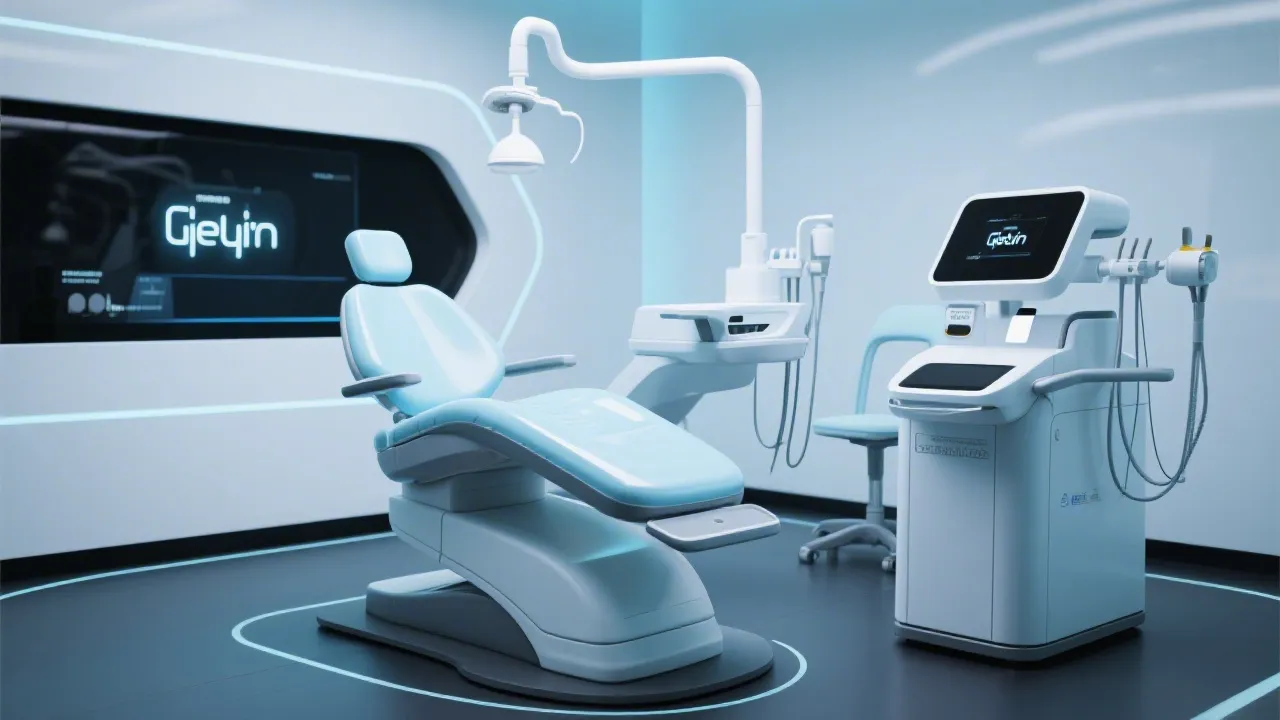
In recent years, new dental technologies have significantly transformed the landscape of dentistry, marking a departure from traditional methods towards a more technologically-advanced practice. These advancements aim to enhance diagnostic capabilities, improve treatment precision, and elevate the overall patient experience. Technologies such as digital imaging, laser dentistry, and CAD/CAM systems have been at the forefront, driving a paradigm shift from traditional to modernized dental practices. With the integration of artificial intelligence, augmented reality, and robotics, the future of dentistry is also becoming increasingly exciting and efficient, promising a new era of dental healthcare.
The introduction of cutting-edge equipment and techniques has been pivotal in redefining dental care. Digital imaging, including 3D cone-beam tomography, offers a comprehensive view of dental structures, allowing for more accurate diagnoses and treatment planning. This technology not only provides detailed images but also facilitates the creation of three-dimensional models, enabling dentists to better plan complex procedures, such as orthodontics and implant placements.
Additionally, laser dentistry has transformed numerous procedures by using focused light beams to perform painless repairs and perform treatments that were once considered painful or invasive. Lasers can effectively treat cavities, gum disease, and tooth sensitivity with minimal discomfort to patients and significantly reduced recovery times. Notably, many patients find laser procedures to be less intimidating than traditional methods, thereby enhancing their overall experience.
The integration of computer-aided design and manufacturing (CAD/CAM) has revolutionized the design and fabrication of dental prosthetics, ensuring high precision and reduced waiting times. Dentists can utilize these tools to create crowns, bridges, and veneers on-site, which streamlines the process significantly. Patients benefit from same-day dentistry, allowing them to leave the office with their restorations completed, avoiding the need for multiple visits.
Moreover, tele-dentistry is gaining traction, providing remote diagnosis and consultations that increase access to dental care, particularly in underserved communities. Patients can connect with dental professionals via video consultations for assessments and follow-up care, reducing the barrier of travel and time away from work or family commitments. This has the potential to enhance dental care access and encourage individuals who may have procrastinated in seeking dental care to engage actively with their dental health.
While these advancements bring numerous benefits, they also pose cost challenges. The investment in high-tech equipment and materials can lead to increased procedure costs. Practices often face high initial expenditures for purchasing and maintaining advanced technologies such as digital scanners, lasers, and CAD/CAM systems. Nonetheless, the resulting benefits—including increased efficiency, accuracy, and improved patient experiences—can offset initial expenses in the long term. Many dental practices are seeing improved patient satisfaction and loyalty through these advancements, which can lead to increased patient referrals and growth in their practice.
Efforts are being made by dental practices to mitigate these cost challenges for patients. Many are offering financing options or promotional plans that allow patients to split larger payments over time. Collaborations with insurance providers to cover some advanced technologies or treatments are becoming more widespread, making high-quality care accessible to a larger population. For example, some insurance plans now include coverage for implant procedures or laser treatments, which were previously viewed as elective or cosmetic procedures.
| Provider | Key Features |
|---|---|
| Dental Views | Focuses on affordable implant solutions, detailing costs and benefits in an easily digestible format for patients. |
| Atlantic Dental Group | Offers comprehensive dental services with accessible booking options and competitive pricing for implants. |
| DentaVacation | Specializes in dental tourism, highlighting cost-effective international treatment options while providing a vacation experience. |
source: Dental Views, Atlantic Dental Group, DentaVacation
To secure dental implants at a lower cost, consider exploring dental schools where supervised trainees perform procedures at reduced rates. Dental schools often require patients to volunteer for treatments as part of their hands-on training, allowing for significant savings while still receiving high-quality care. In addition, some clinic chains offer payment plans or discounts for upfront payments that can make dental surgery more affordable. By planning procedures during promotional periods or using referral discounts, patients can further decrease their costs.
Dental insurance can also significantly defray costs, so reviewing your coverage options, including deductibles and out-of-pocket maximums, is advisable. Some policies may cover portion of implant procedures or associated treatments, so becoming familiar with insurance details may help patients make more informed decisions. It’s always beneficial to consult with your insurance provider regarding inclusions, limitations, and the possibility of claiming for specific procedures.
When considering dental implants, understanding the cost variations across English-speaking countries is crucial. Below are approximate cost ranges for dental implants in various regions:
New dental technologies include digital imaging, laser treatments, CAD/CAM systems, and the use of artificial intelligence, which are transforming traditional practices by offering greater precision, efficiency, and patient safety.
Yes, dental schools, clinics with flexible payment plans, and thorough insurance options can significantly lower the costs associated with dental implants. Patients are encouraged to shop around and consider all financing options available to them.
Innovations such as tele-dentistry and minimally invasive procedures enhance patient experience by providing more accessible, comfortable, and personalized care. The introduction of detailed digital imaging also helps in visually explaining treatment plans to patients, leading to informed decisions.
Generally, patients may experience some discomfort and swelling for a few days following implant surgery. Complete healing can take several months, particularly as the bone needs time to integrate with the implant. Regular follow-ups are crucial during this period to ensure proper healing.
While dental implants have a high success rate, several factors can contribute to implant failure, such as infection, insufficient bone density, or improper care. It's essential to maintain good oral hygiene and attend regular dental check-ups to minimize risks.
Disclaimer: The above information comes from online resources, and the data is as of October 2023. Dental implant prices are for reference only and may vary by region, clinic, and doctor.
For more information, visit the following links:
The horizon of dental technology looks promising, with innovations poised to further influence every facet of dental practice. The introduction of artificial intelligence (AI) into diagnostic processes can lead to enhanced predictive analytics, enabling dental professionals to identify potential issues before they become significant problems. Imagine an AI system capable of analyzing dental images not just for current issues but also for trends that might indicate future needs for intervention, thereby allowing dentists to create proactive treatment plans.
Moreover, augmented reality (AR) is beginning to play a role in patient education and treatment planning. With AR, patients can visualize their treatment outcomes before any actual procedure, which may help alleviate patient anxiety and improve satisfaction rates. This technology can present a life-like simulation of what their teeth will look like after treatment, aiding in decision-making.
Robotic-assisted dentistry is another frontier that promises to enhance treatment precision and consistency. Robots can perform certain repetitive tasks with high accuracy, allowing dental professionals to focus on more complex aspects of care. This technology may also lead to advancements in minimally invasive surgical techniques, making procedures quicker and more comfortable for patients.
As these technological innovations continue to develop, they are expected to be accompanied by ongoing training and education for dental professionals. Education institutions and organizations are already adapting their curriculums to incorporate these technologies, ensuring that new generations of dental professionals are adept at utilizing these tools effectively.
As technology reshapes the dental landscape, it simultaneously empowers patients by providing them with more knowledge and control over their dental health. Online platforms and smartphone applications now allow for greater access to dental care information, treatment options, and management of appointments. Patients can research procedures, read reviews, and even have direct communication channels with their dental providers through patient portals.
The availability of tele-dentistry services has further contributed to this empowerment by allowing patients to seek advice without the need for an in-person visit. This can be particularly beneficial for individuals with mobility issues, those living in rural areas, or anyone with scheduling conflicts. Patients are becoming more informed about their oral health, making it essential for dental professionals to adapt their communication and education methods to align with this trend.
The revolution of new dental technology signifies an exciting time for both practitioners and patients. As digital tools, laser treatments, CAD/CAM systems, and tele-dentistry continue to evolve, they promise to enhance the quality of care provided within the field of dentistry. Although the costs associated with implementing such advanced technologies can be a hurdle, the long-term benefits for patient care and practice efficiency are undeniable.
As practitioners embrace these innovative solutions, and as patients become more engaged in their oral health, the future of dental care looks bright. The potential for improved diagnoses, reduced treatment time, and enhanced patient experiences is on the horizon, paving the way for dentistry to evolve into a field characterized by technological sophistication and user-centered approaches.
As we move forward, it will be important to continue evaluating the effectiveness of new technologies and to ensure equitable access to care. The dental community must remain committed to innovation while striving to meet the needs of all patients, ensuring that advancements in dental technology truly benefit everyone seeking oral health care.
Striking the Perfect Balance: Navigating Premiums and Out-of-Pocket Expenses in Senior Insurance Plans

Explore the Tranquil Bliss of Idyllic Rural Retreats

How to Make Lasting Memories at Disneyland Attractions

Affordable Full Mouth Dental Implants Near You

Unlock the Top Kept Secrets to Finding Your Ideal Dentist for Flawless Dental Implant Results!

Discovering Springdale Estates

The Guide to Car Trading

Unlock the Full Potential of Your RAM 1500: Master the Art of Efficient Towing!

Understanding Royal Canin Maxi Adult

Affordable Full Mouth Dental Implants Near You
Discover options for affordable full mouth dental implants, including clinical trials and local dental services that offer cost-effective solutions.
Understanding Full Mouth Dental Implant Prices
Explore the costs and factors influencing full mouth dental implants for seniors and others.

Affordable Dental Implants Near You
Discover low-cost dental implants and quick solutions to fix your teeth with full mouth options available near you.
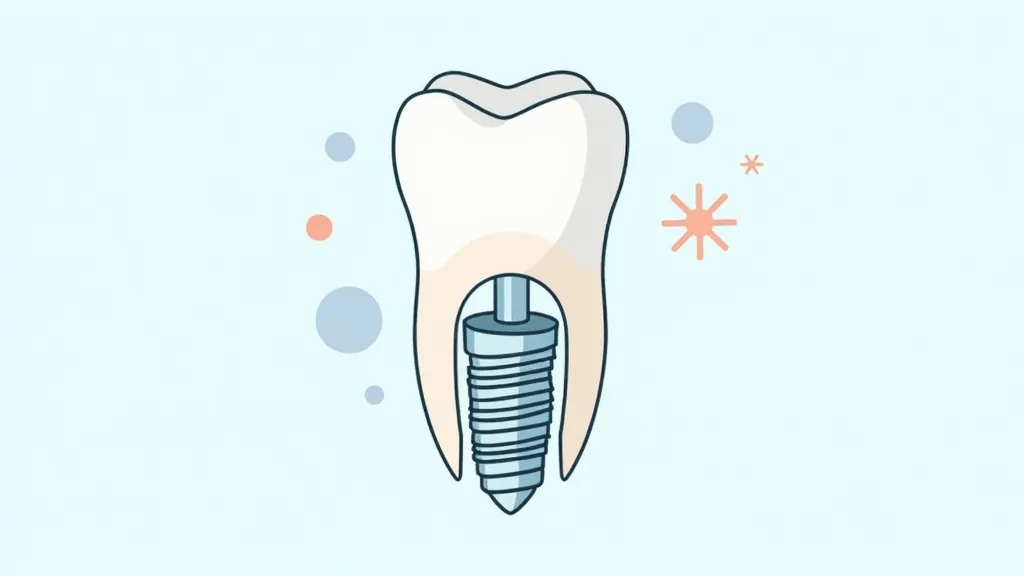
Understanding Dental Implant Prices and Options
Explore dental implant costs, funding, and full mouth options for a confident smile in 2025.
Affordable Dental Implants Near Me: Your Guide
Discover affordable dental implants, funding options, and fast solutions for fixing your teeth near you in 2025.

Affordable Dental Implants Near Me
Discover low-cost dental implants and financing options for seniors in your area.
