In the world of automation, IHM SCADA systems play a pivotal role in managing and controlling industrial processes. These systems offer real-time data monitoring, which enhances decision-making and operational efficiency. Understanding the benefits, applications, and technological aspects of IHM SCADA is crucial for industries looking to optimize their processes and infrastructure.
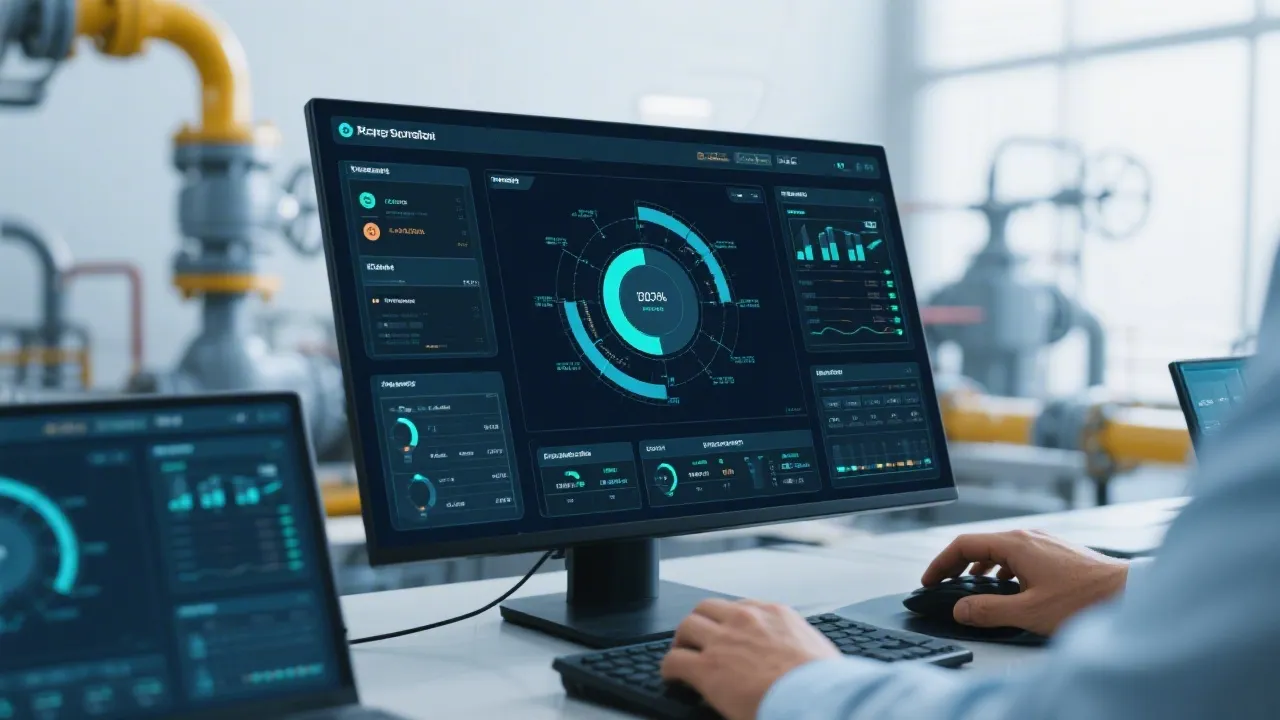
In today's rapidly evolving industrial landscape, industries are constantly seeking ways to enhance efficiency and streamline operations. At the core of this transformation lies the concept of Supervisory Control and Data Acquisition (SCADA), an essential system in manufacturing and utilities that offers comprehensive monitoring and control solutions. Specifically, IHM SCADA refers to the integration of Human-Machine Interfaces (HMI) with SCADA systems, creating a robust framework that permits operators to interact with machines and analyze data in real-time.
IHM SCADA systems combine graphics-based control interfaces with data acquisition functionalities. This integration allows for seamless communication between human operators and machine systems, ensuring optimal performance and efficiency. At its core, SCADA systems collect data from sensors and equipment placed in various locations, transmitting this data back to a central computer for processing and analysis. The dual functionality of HMI and SCADA enables operators to visualize operations through graphical representations, offering insights that are crucial for informed decision-making.
The versatility of IHM SCADA systems results in a wide array of applications across different industries:
Delving deeper into the technical workings of IHM SCADA showcases its prominent role in industrial automation. The fundamental architecture is based on a combination of hardware and software; Remote Terminal Units (RTUs) or Programmable Logic Controllers (PLCs) gather and transmit data to the Human-Machine Interface (HMI), where operators can visualize and control the processes. This multi-layered architecture includes several key components, each contributing to the overall efficacy of the system.
| Component | Description |
|---|---|
| RTUs/PLCs | These are field devices that capture and relay data to the control center. They gather operational data from machines and equipment and convert analog signals to digital data for processing. |
| Communication Infrastructure | Ensures reliable data transfer between components, often leveraging wireless or Ethernet connections. This infrastructure is crucial in maintaining the integrity and speed of data transfer across differing system components. |
| HMI | The user interface that allows operators to view system metrics and control processes through graphical representations. User-friendly designs enable operators of all levels to effectively monitor and control processes. |
| Data Historian | Logs and stores historical data for future analysis and reporting. This component is vital for identifying trends, performing audits, and complying with regulatory requirements. |
| Alarm Management | SCADA systems feature sophisticated alarm management capabilities, which help operators prioritize responses during abnormal conditions. |
Technological advancements continue to shape the evolution of SCADA systems. One key trend is the integration of Internet of Things (IoT) technologies, which enhance data connectivity and smart analytics. The move towards cloud-based SCADA solutions also promises improved accessibility and reduced costs, allowing for data centralization without the need for extensive on-premises infrastructure.
Additionally, the application of artificial intelligence and machine learning algorithms allows for predictive maintenance, significantly reducing downtime and repair costs. These technologies enable SCADA systems to analyze historical data patterns and predict potential failures, giving operators more time to implement preventive measures.
Cybersecurity has become another focal point for modern SCADA systems, with rising awareness surrounding threats. Developing robust cybersecurity frameworks around SCADA systems is paramount as they become increasingly connected. Implementing strategies such as network segmentation, encryption, and intrusion detection is essential in protecting sensitive data and ensuring operational integrity.
Looking ahead, the potential of IHM SCADA systems is boundless. The convergence of emerging technologies such as blockchain and augmented reality is set to redefine SCADA solutions, ensuring more secure, transparent, and intuitive interaction between operators and machine systems. Blockchain can provide an immutable ledger for changes in operation, serving as a reliable source for audit trails, while augmented reality can enhance training and operations, allowing operators to visualize complex data in user-friendly formats.
Additionally, the increasing need for remote operation capabilities due to a more geographically dispersed workforce is leading to enhancements in remote telemetry and control. SCADA systems are evolving to support remote access through secure cloud environments, fostering greater collaboration and operational flexibility.
As industries worldwide continue to adopt digital transformation strategies, the relevance and necessity of advanced SCADA systems become even more pronounced. From smart cities to renewable energy sources, the demand for efficient monitoring and control systems that IHM SCADA provides is on the rise.
To further highlight the significance and application of IHM SCADA systems, it is beneficial to explore practical case studies from various sectors. These examples illustrate how the implementation of IHM SCADA has facilitated remarkable transformations within different operational frameworks.
At a municipal water treatment facility, the implementation of an IHM SCADA system has revolutionized operations. Before the system’s integration, operators relied heavily on manual monitoring and control, leading to inefficiencies and risk of human error. After deploying the IHM SCADA solution, operators gained access to real-time data analytics on water quality and treatment processes.
This improved oversight enabled the staff to adjust treatment processes dynamically based on data inputs about contaminants and water flow rates. As a result, the facility achieved a 30% reduction in chemical usage while simultaneously improving the quality of the water delivered to residents. The system also provided valuable historical data, enhancing compliance with environmental regulations and reducing operational costs by approximately 25%.
In the oil and gas industry, a major company implemented an IHM SCADA system for pipeline monitoring to ensure the safe and efficient transport of crude oil. The previous system relied on periodic manual checks, which posed risks for system integrity and environmental safety. Introducing the IHM SCADA system facilitated continuous monitoring of pressure, flow rates, and temperature across multiple pipeline segments.
In real-time, the system provided alerts for anomalies such as pressure drops or leaks, allowing teams to respond promptly and mitigate risks. Following the implementation, the company reported a 50% reduction in leak incidents, as well as increased transparency in operations due to better data capture and reporting capabilities. Additionally, the historical analysis feature allowed operators to study trends over time, ultimately leading to more informed decision-making regarding maintenance and upgrades.
A large manufacturing firm specializing in automotive components integrated IHM SCADA into its production lines to automate quality control processes. The existing process was labor-intensive and often resulted in delays during quality checks. The new SCADA system integrated with existing machines, allowing for seamless data exchange and real-time monitoring of production quality.
The integration led to a significant cut in inspection time and reduced defects by over 40%. Operators could adjust production parameters on-the-fly based on quality data, optimizing both product quality and operational throughput. The overall impact was a boost in productivity levels by 20%, along with enhanced worker satisfaction due to a more manageable workload.
The realm of IHM SCADA systems is not just about technological enhancement; it's a gateway to achieving unprecedented operational excellence across numerous industries. As we have explored, IHM SCADA systems bring profound benefits in terms of efficiency, cost savings, and safety standards while enabling real-time decision-making through advanced data analytics.
With ongoing advancements in technology and growing industrial demands for integrated solutions, the significance of IHM SCADA systems will continue to increase. Their capacity to evolve alongside burgeoning trends such as IoT, AI, and cloud computing positions them at the forefront of industrial innovation. The successful case studies of organizations reaping rewarding benefits from their SCADA implementation further underline the value of these systems. Ultimately, embracing IHM SCADA systems paves the way for companies to prepare for a smarter, more responsive industrial future.
Striking the Perfect Balance: Navigating Premiums and Out-of-Pocket Expenses in Senior Insurance Plans

Explore the Tranquil Bliss of Idyllic Rural Retreats

How to Make Lasting Memories at Disneyland Attractions

Affordable Full Mouth Dental Implants Near You

Unlock the Top Kept Secrets to Finding Your Ideal Dentist for Flawless Dental Implant Results!

Discovering Springdale Estates

The Guide to Car Trading

Unlock the Full Potential of Your RAM 1500: Master the Art of Efficient Towing!

Understanding Royal Canin Maxi Adult


Understanding Rlock Advpl in Business
Rlock Advpl represents a pivotal advancement in business software solutions, offering enhanced security and efficiency for enterprise resource planning systems. This article delves into the intricacies of Rlock Advpl, its application in modern businesses, and the benefits it offers in streamlining operations and safeguarding data. As an expert tool, Rlock Advpl is essential for businesses looking to optimize their IT infrastructure.

Unveiling Atranet Innovation
Atranet represents a cutting-edge concept in networking technology. Harnessing its capabilities can transform digital communication by providing seamless connectivity. Designed to optimize data transfer, security, and efficiency, Atranet is shaping the future of how we connect and share information. This article delves into its structure, applications, and potential impacts on industry practices and consumer experiences.

Understanding Polysulfide Adhesive Applications
This comprehensive guide explores the applications and benefits of polysulfide adhesive, highlighting its unique properties and widespread use in construction, aerospace, and automotive industries. Known for its flexibility and resistance to various environmental factors, polysulfide adhesive is a key component in sealing and bonding applications, providing durability and reliability in demanding conditions.

Understanding the Latest Chrome Version
This article delves into the intricacies and features of the latest Chrome version. Chrome, developed by Google, is one of the very popular web browsers globally, known for its speed, simplicity, and security features. Each update aims to enhance user experience through improved functionality and performance. Understanding these updates is crucial for both everyday users and developers.

Maximizing Benefits of Solar Panels: Costs and Energy Efficiency
Solar panels can save money and energy. Discover how to optimize installation for maximum benefits.
Understanding the LM66100 Digikey
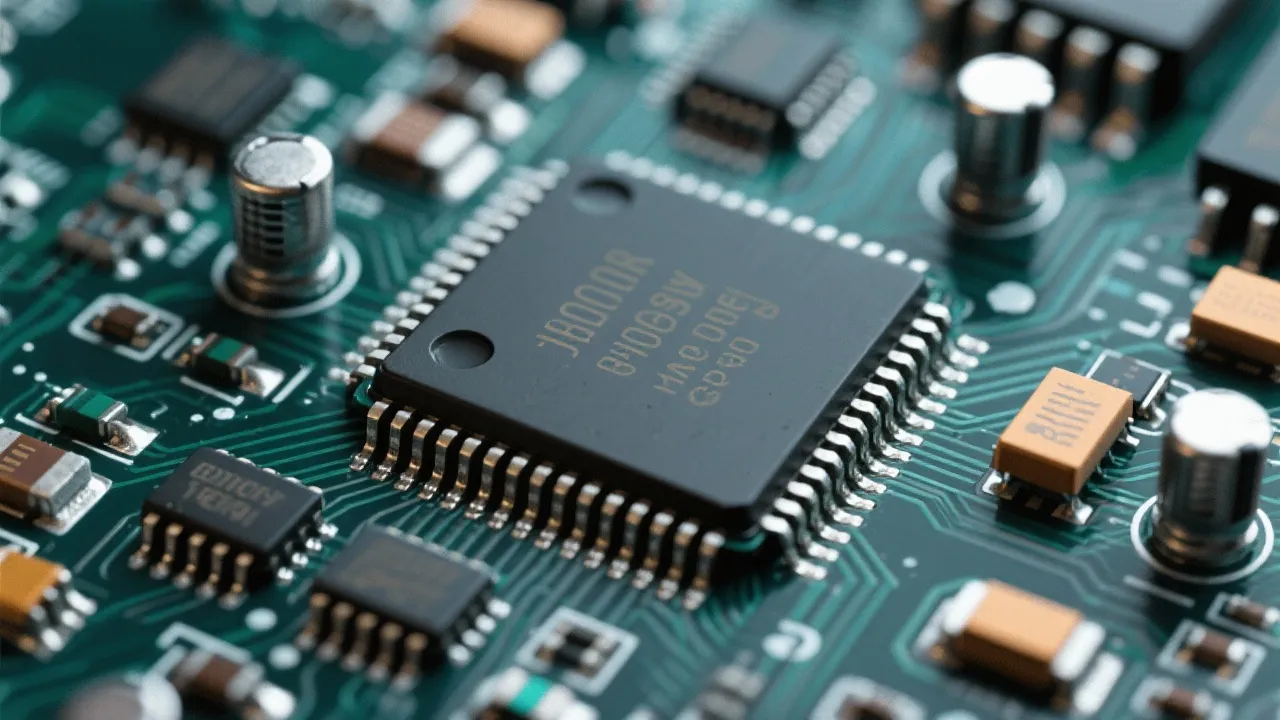
This article delves into the LM66100, a vital electronic component often sourced through Digikey. Exploring its crucial role in ensuring power management efficiency, the article provides insights into its functionality, industry applications, and the significance of collaborating with reputable suppliers like Digikey for quality assurance.
