This article delves into the significance and cultural impact of Bishamon, a vital figure in various Asian mythologies. Known as Bishamonten in Japanese culture, Bishamon symbolizes protection, war, and authority. Through understanding Bishamon's iconography, historical context, and contemporary relevance, readers will gain a comprehensive perspective on this revered deity.
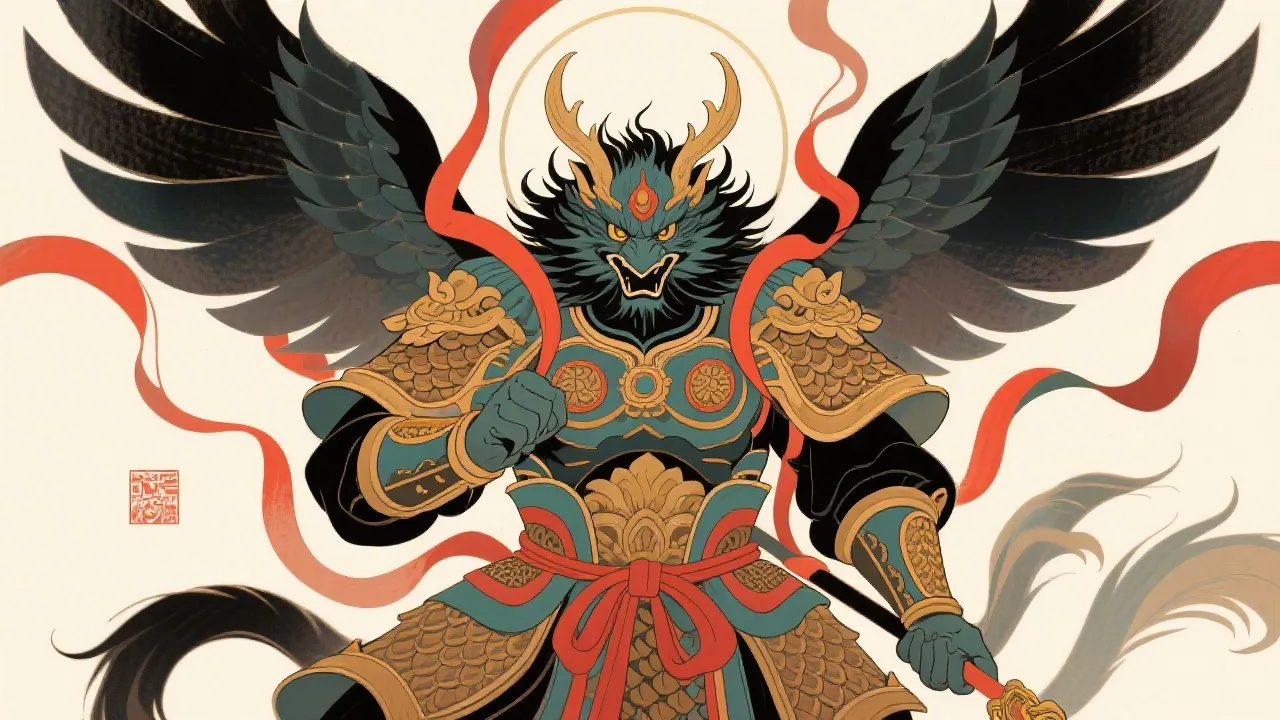
Bishamon, also known as Bishamonten in Japanese culture, represents bravery, protection, and triumph. It is one of the Seven Lucky Gods in Japan, embodying prosperity and defense against malevolence. With a genesis rooted deeply in Hinduism and later embraced by Buddhist traditions in China and Japan, Bishamon's adaptation across cultures underscores its universal appeal and significance. This connection between cultures illustrates how spiritual beliefs can transcend boundaries and continue to evolve while still retaining core attributes. The perseverance of Bishamon’s identity reflects the deep-seated human desire for protection, prosperity, and moral integrity.
The origins of Bishamon can be traced back to the Hindu god of wealth, Kubera, who was originally revered as the god of treasure and the king of the Yakshas, nature spirits associated with natural treasures. Kubera, characterized as a pot-bellied figure adorned with jewels, symbolizes physical wealth and material abundance. As Buddhism spread through India and into other parts of Asia, Kubera's attributes merged into a new form—Vaiśravaṇa. In this context, Vaiśravaṇa not only maintained its association with wealth but also adopted the role of a guardian, or protector, particularly of the Buddhist faith and the dharma (the cosmic law and order).
When this transformative figure journeyed to China, the cultural interpretation of Vaiśravaṇa began to reflect the local belief systems, as well as the Buddhist context. As a protector of the dharma, the figure’s significance continued to evolve, marked by distinct attributes and symbolism unique to Chinese interpretations. The Chinese recognized him as a guardian of the nation—a military protector who defended the empire against external threats. The adaptation process further enriched his narrative and visual representations as Buddhism continued its remarkable journey across Asia.
Once in Japan, these influences coalesced into the iconic figure of Bishamon, where his image took on additional layers of meaning. Bishamon's prominence soared, earning a vital place among the Seven Lucky Gods, a pantheon revered for bestowing fortune and prosperity. This triumvirate of origins—Hinduism, Buddhism, and the indigenous beliefs of Japan—demonstrates how spirituality can transcend cultural obstacles and find new forms of expression and relevance over time.
Bishamon is often portrayed wearing armor, wielding a spear in one hand and a pagoda in the other. The armor symbolizes protection, indicating that Bishamon is always prepared to defend against evil forces. The spear, a powerful weapon, signifies his martial prowess and authority. In contrast, the pagoda represents treasure and spiritual wealth, mirroring his role as a giver of abundance. Such iconography acts as a visual reminder of Bishamon's dual role as a guardian and dispenser of wealth. This duality highlights the intricate balance of power and generous spirit that Bishamon embodies.
Moreover, Bishamon is sometimes depicted with an accompanying figure, a guardian or servant who assists him in protecting the faithful. This companion can often enhance the themes of guardianship and strength. The various artistic representations across regions, from statuary in temples to paintings in homes, demonstrate the adaptability of his image to suit local aesthetics and beliefs. Traditional Japanese art, especially woodblock prints from the Edo period, frequently features Bishamon, showcasing not only historical reverence but also appreciation for his iconographic appeal.
In addition to material representations, the colors associated with Bishamon offer deeper insight into his symbolism. Often clad in rich hues like deep blue and gold, these colors signify depth, prosperity, and the richness of life. The significance of color in representing deities is an essential aspect of visual culture in many belief systems, reflecting the values, attributes, and aspirations of the communities that hold these figures sacred.
Despite ancient origins, Bishamon continues to be a symbol of cultural and spiritual resonance in contemporary society. From modern art to pop culture, Bishamon's image evokes thematic elements of strength, resolve, and moral fortitude. Temples dedicated to Bishamon are popular pilgrimage sites, attracting those seeking protection and success in their endeavors. Annual festivals, known as "Takaosan Bishamonten", celebrate Bishamon's contributions to society, positioning him as a central figure of cultural harmony and spiritual encouragement.
The increasing interest in mythology and cultural heritage has facilitated a revival of Bishamon's significance, leading enthusiasts to interpret his story in new contexts. Artists and storytellers explore his themes of resistance against evil and protection of virtue, integrating them into contemporary narratives that resonate with current societal concerns. For example, in Japanese video games and anime, Bishamon occasionally appears as a character, often embodying qualities of leadership, strength, and protective instincts, showing the evolution of the deity into modern storytelling.
Further, businesses and entrepreneurs often invoke Bishamon in branding efforts to symbolize success and good fortune. This commercial adaptability showcases the deity’s role not just in spiritual matters, but also in the intertwined domains of culture and commerce, reflecting a cultural practice that resonates among a wide audience looking for meanings in symbolism.
Across various Asian cultures, Bishamon's influence manifests uniquely. In Japan, Bishamon is integrated into New Year customs, with temple visits signifying attempts to garner luck and protection for the coming year. The New Year’s celebrations often see families visiting shrines dedicated to Bishamon, where rituals are performed to seek his favor for prosperity in business and happiness in family life. His popular association with martial arts further solidifies his role as a protector, reinforcing traditional values surrounding discipline and strength.
In contrast, Chinese interpretations echo the more ancient conceptualization linked to dharma protection and cosmic order. The Chinese have established their own festivals and interpretations centered around worshipping figures similar to Bishamon, symbolizing wealth and military victory. The figure of Vaiśravaṇa, also revered in China, is often associated with the wealth-bringing celebrations, shedding light on the broader, trans-cultural dialogues surrounding wealth and well-being.
As regional identities have evolved, so too have the manifestations of Bishamon’s symbolism. In contemporary communities across Asia, programs aimed at preserving traditional customs involve educational initiatives about deities like Bishamon, fostering a renewed appreciation for cultural heritage among younger generations. This revitalization helps such figures transcend generations, encouraging discussions on values like courage, honor, and the importance of safeguarding one's community.
| Cultural Aspect | Interpretation |
|---|---|
| Martial Symbol | Bishamon represents martial prowess and protection, often invoked in times of war or conflict. |
| Wealth and Fortune | As a god of wealth, Bishamon is consistently associated with prosperity and abundance. |
| Spiritual Protector | In Buddhism, identified as a protector of the faith and righteousness, preserving the teachings across uncertain times. |
| Community Resilience | Bishamon's image is a focal point in community gatherings aimed at fostering unity and strength during hardships. |
| Cultural Exchange | The cross-cultural history of Bishamon illustrates the impact of cultural exchanges through religion and art. |
Bishamon serves as a profound example of the enduring nature of mythology and religious syncretism. As a significant cultural figure, Bishamon bridges histories, belief systems, and artistic expressions across many regions and eras. His capacity to evolve while maintaining the essence of his protective and prosperous qualities is a testament to the dynamic nature of belief systems and cultural identities. Whether seeking protection, wisdom, or success, Bishamon remains a steadfast symbol, revered across generations and borders. The dialogues around Bishamon, and indeed the Seven Lucky Gods, continue to spark interest and exploration, making them relevant to today’s society that often seeks balance between history, culture, and spirituality.
Striking the Perfect Balance: Navigating Premiums and Out-of-Pocket Expenses in Senior Insurance Plans

Explore the Tranquil Bliss of Idyllic Rural Retreats

How to Make Lasting Memories at Disneyland Attractions

Ultimate Countdown: The 20 Very Legendary Gaming Consoles Ever!

Understanding Halpin and its Influence

Affordable Full Mouth Dental Implants Near You

Unlock the Top Kept Secrets to Finding Your Ideal Dentist for Flawless Dental Implant Results!

Discovering Springdale Estates

Illinois Dentatrust: Comprehensive Overview


Ibhost: Exploring the Hosting Frontier
This article delves into Ibhost, an emerging name in the web hosting industry, known for its reliability, scalability, and comprehensive hosting solutions. By examining its service offerings, expert insights, and hosting solutions, we provide a detailed understanding of why Ibhost is becoming a go-to choice for businesses and individuals seeking robust web hosting services.

Understanding Rlock Advpl in Business
Rlock Advpl represents a pivotal advancement in business software solutions, offering enhanced security and efficiency for enterprise resource planning systems. This article delves into the intricacies of Rlock Advpl, its application in modern businesses, and the benefits it offers in streamlining operations and safeguarding data. As an expert tool, Rlock Advpl is essential for businesses looking to optimize their IT infrastructure.

Unveiling Atranet Innovation
Atranet represents a cutting-edge concept in networking technology. Harnessing its capabilities can transform digital communication by providing seamless connectivity. Designed to optimize data transfer, security, and efficiency, Atranet is shaping the future of how we connect and share information. This article delves into its structure, applications, and potential impacts on industry practices and consumer experiences.

Understanding Polysulfide Adhesive Applications
This comprehensive guide explores the applications and benefits of polysulfide adhesive, highlighting its unique properties and widespread use in construction, aerospace, and automotive industries. Known for its flexibility and resistance to various environmental factors, polysulfide adhesive is a key component in sealing and bonding applications, providing durability and reliability in demanding conditions.

Unlock Hyundai's Latest Models
Hyundai has been making waves in the automotive industry, continually delivering vehicles that merge style, performance, and technology. As the demand for innovative automobiles grows, Hyundai responds with a refreshed lineup showcasing cutting-edge designs, advanced engineering, and eco-friendly options. In this article, we will explore Hyundai's latest models and highlight what makes them stand out in today's competitive market.

Understanding Jrc Pabx Systems
JRC PABX systems revolutionize communication within organizations by integrating advanced telephony exchanges with modern digital technology. Highly utilized in corporate environments, these systems enable efficient communication solutions that support scalability, security, and versatile network integration. This article explores their features, benefits, and industry applications.
